
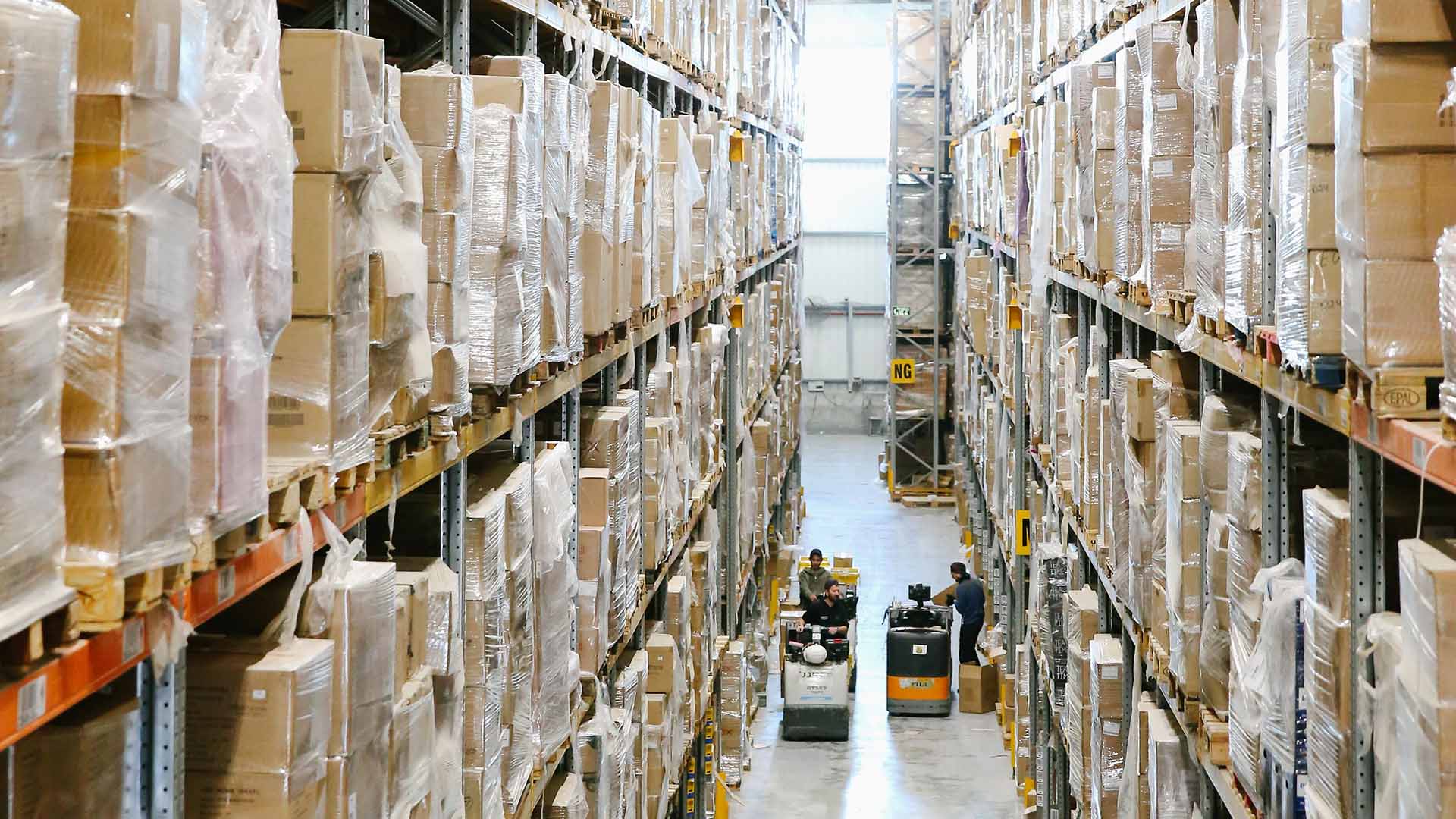
Introduction to Scalable Cross Docking
Cross Docking has emerged as a cornerstone of modern logistics, offering businesses a way to move freight faster, reduce costs, and improve supply chain efficiency. At Chicago Transload, Cross Docking services are designed to accommodate businesses of all sizes, from small enterprises to large-scale operations. With Cross Docking, shipments are transferred directly from inbound to outbound transportation with minimal handling, reducing storage time and ensuring faster delivery. Companies that leverage Cross Docking benefit from improved accuracy, quicker turnaround, and more predictable supply chain timelines. Chicago Transload’s expertise in Cross Docking ensures that freight is processed efficiently, helping businesses scale their operations with ease. The scalability of Cross Docking allows companies to handle increased volume without compromising service quality. By implementing Cross Docking strategies at Chicago Transload, businesses can streamline their logistics while reducing unnecessary costs. Cross Docking at Chicago Transload integrates technology, skilled labor, and optimized facility design to maximize efficiency. The result is a system where Cross Docking not only meets current demands but also prepares businesses for future growth.
How Cross Docking Supports Business Growth
Cross Docking is essential for companies aiming to expand operations without increasing overhead. Chicago Transload’s Cross Docking model allows for faster inventory turnover, freeing up capital that would otherwise be tied up in storage. Businesses can rely on Cross Docking to minimize delays and ensure products reach customers quickly. With scalable Cross Docking solutions, Chicago Transload helps companies manage high volumes of freight efficiently. This approach supports growth by reducing bottlenecks, improving shipment accuracy, and enhancing overall supply chain responsiveness. Cross Docking also reduces the risk of freight damage and loss by limiting the number of times goods are handled. As businesses grow, Chicago Transload’s Cross Docking processes can be adjusted to handle increased loads without sacrificing quality. Companies using Cross Docking experience enhanced flexibility, allowing them to respond quickly to market changes. The combination of speed, reliability, and scalability makes Cross Docking an ideal solution for businesses seeking long-term growth. With Chicago Transload, Cross Docking operations are consistently optimized to accommodate expanding logistics needs.
Chicago Transload’s Scalable Cross Docking Approach
Chicago Transload has designed its Cross Docking operations to be highly adaptable and capable of managing fluctuating freight volumes. Their facility layout prioritizes efficiency, allowing inbound shipments to be sorted and redirected to outbound trucks with minimal delays. Cross Docking at Chicago Transload is supported by advanced technology, which tracks shipments in real time, ensuring transparency and accuracy. Skilled personnel oversee each stage of the Cross Docking process, maintaining quality while maximizing speed. The scalable nature of Cross Docking here allows businesses to expand without worrying about logistics constraints. Automated systems assist with sorting, loading, and tracking, reducing the time shipments spend in transition. Chicago Transload’s focus on scalable Cross Docking ensures that even during peak periods, operations remain smooth. Companies benefit from the ability to handle larger volumes without adding significant overhead. By integrating scalable Cross Docking solutions, Chicago Transload allows businesses to grow efficiently while maintaining customer satisfaction. This strategic approach makes Cross Docking not just a logistics tactic but a growth enabler for modern businesses.
Benefits of Scalable Cross Docking at Chicago Transload
Scalable Cross Docking at Chicago Transload offers numerous benefits that directly impact business growth. By reducing storage time, companies can increase shipment frequency, improve cash flow, and reduce inventory holding costs. Cross Docking also enhances operational efficiency by streamlining the movement of freight, reducing errors, and minimizing handling. Businesses experience faster delivery times, which leads to higher customer satisfaction and repeat business. The scalability of Cross Docking ensures that operations can expand seamlessly as business needs grow, supporting both small and large shipment volumes. Chicago Transload’s Cross Docking system combines technology, skilled labor, and efficient facility layout to deliver reliable results. Reduced risk of freight damage, improved inventory control, and cost savings make scalable Cross Docking a competitive advantage. Companies can respond to market demands more quickly, knowing that Chicago Transload can handle increased freight without delays. Cross Docking enables businesses to operate more flexibly and efficiently, making growth sustainable. With Chicago Transload, scalable Cross Docking is a practical solution for companies seeking to optimize logistics while expanding their reach.
Frequently Asked Questions (FAQ)
Q1: What is Cross Docking?Cross Docking is a logistics process where inbound shipments are transferred directly to outbound transportation with minimal storage.
Q2: How does Chicago Transload make Cross Docking scalable?Chicago Transload uses advanced technology, optimized facility layouts, and skilled personnel to handle varying volumes efficiently.
Q3: What types of businesses benefit from Cross Docking?Businesses of all sizes, particularly those handling high-volume, time-sensitive, or perishable goods, benefit from Cross Docking.
Q4: Does scalable Cross Docking reduce operational costs?Yes, scalable Cross Docking reduces storage costs, minimizes handling, and improves overall supply chain efficiency.
Q5: Why choose Chicago Transload for Cross Docking?Chicago Transload offers reliable, technology-driven, and scalable Cross Docking solutions that support business growth and faster delivery.