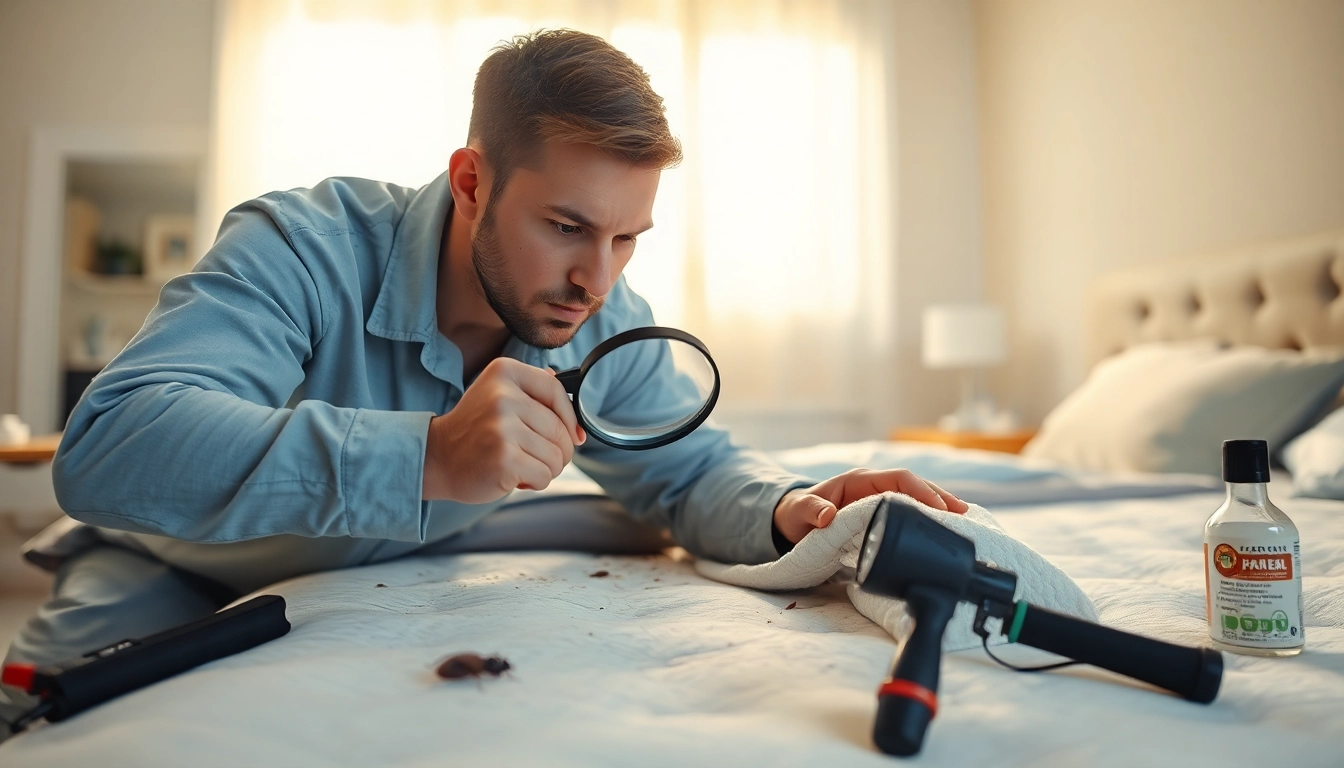
Understanding Bed Bugs: An Overview
Bed bugs may be small, but their impact can be significant for those dealing with infestations. Tapping into both their biology and behavioral patterns is crucial for effective management. To explore comprehensive strategies for dealing with these pests, visit https://affordablebedbugexterminators.com. This guide aims to provide you with in-depth knowledge about bed bugs, their identification, health risks, and more.
Identifying Bed Bugs and Their Habits
Bed bugs, scientifically known as Cimex lectularius, are small, wingless insects that feed exclusively on blood. Adults are generally around 4-5 mm long, resembling apple seeds in shape and size, with a reddish-brown color. Newer nymphs, or juvenile bed bugs, are smaller and pale yellow.
These pests are most active during the night, typically residing in the seams of mattresses, bed frames, and other hiding spots close to human hosts. They tend to be well-camouflaged and can often go unnoticed until an infestation becomes severe.
A critical aspect of understanding bed bugs is their life cycle, which includes four stages: egg, nymph, and adult. Eggs are tiny and white, barely the size of a pinhead, making them difficult to spot. A single female bed bug can lay hundreds of eggs in her lifetime, compounding infestation rates considerably if not managed early.
Common Signs of Infestation
Recognizing bed bug signs early can save you extensive trouble. Key indicators include:
- Bite Marks: You may notice red, itchy welts on your skin, often in linear patterns.
- Blood Stains: Small drops of blood can appear on sheets or mattresses from crushed bugs.
- Exoskeletons: As they mature, bed bugs shed their skins, which can be found in their hiding spots.
- Fecal Spots: Dark spots indicative of bed bug droppings may appear near nests.
Health Risks Associated with Bed Bugs
Although bed bugs are not known to transmit diseases, their bites can cause significant discomfort. The itching from bites can lead to secondary infections if scratched excessively. Some individuals may also experience allergic reactions, which can escalate to severe swelling or breathing difficulties in rare cases. Furthermore, the psychological effects of having a bed bug infestation—such as anxiety and insomnia—should not be underestimated, impacting overall quality of life.
How to Prepare for Extermination
Successfully eradicating bed bugs requires careful preparation. Here’s how to get ready for the extermination process.
Steps to Take Before Treatment
Before any treatment begins, consider following these steps:
- Declutter: Remove items from the affected area to allow access to necessary surfaces.
- Launder Clothes: Wash and dry bedding and clothing on high heat to kill bed bugs at all life stages.
- Vacuum Thoroughly: Vacuum carpets, floors, and furniture to remove bed bugs and their eggs; dispose of the vacuum bag immediately.
- Seal Cracks: Use caulk to seal any gaps in walls or furniture to minimize hiding spaces for bed bugs.
What to Expect During the Process
During the extermination, here’s what you can anticipate:
- Inspection: A professional will conduct a thorough inspection to assess the extent of the infestation.
- Treatment Options: Depending on the severity, various methods will be deployed, including heat treatment, pesticides, or vacuuming.
- Duration: Treatments can take a few hours up to several days, depending on the infestation size and method chosen.
Post-Treatment Precautions
Once treatment is completed, it is vital to follow specific guidelines:
- Avoid Reinfestation: Implement preventative measures as soon as the treatment concludes.
- Monitor: Continue to inspect your living space for signs of returning bed bugs.
- Keep Treated Areas Clean: Regular cleaning can help maintain a bed bug-free environment.
Choosing the Right Extermination Method
Different extermination methods are available, and the right choice depends on various factors such as the severity of the infestation and personal preferences.
Chemical Treatments vs. Non-Chemical Approaches
Chemical treatments often involve insecticides, while non-chemical methods can range from heat treatments to steam cleaning. Each has its pros and cons:
- Chemical Treatments: Effective at penetrating into cracks and crevices, but may leave residual chemicals and require careful handling.
- Non-Chemical Approaches: Safer for children and pets, though potentially less effective if the infestation is severe.
Consulting a pest control professional will assist in deciding which method aligns best with your situation.
Best Practices for DIY Extermination
If you opt for a do-it-yourself approach, keep the following best practices in mind:
- Use Multiple Methods: Treating the problem from different angles, such as heat, vacuuming, and insecticides, can yield better results.
- Follow Product Instructions: Ensure you adhere strictly to guidelines on any chemicals used to avoid harm to yourself or failure to eliminate the pests.
- Be Patient: Eradicating bed bugs is often a multi-step and time-consuming process.
When to Seek Professional Help from https://affordablebedbugexterminators.com
Sometimes, a DIY approach is not enough. Seek professional assistance if:
- The infestation is widespread.
- Home remedies have failed to produce results.
- You are uncertain about how to proceed with treatments.
Maintaining a Bed Bug-Free Environment
After addressing an infestation, it's essential to adopt measures to prevent a resurgence.
Tips for Preventing Future Infestations
Effective prevention starts with awareness. Here are some actionable steps to keep your environment bed bug-free:
- Regular Inspections: Routinely check areas where bed bugs are known to hide, such as mattresses and furniture.
- Travel Gently: When returning from trips, inspect luggage and wash all clothing to eliminate any potential hitchhikers.
- Be Cautious with Used Furniture: Always examine and treat used items before bringing them into your home.
Regular Inspection and Maintenance
Continued vigilance does not only involve cleaning but also inspecting your living space regularly. Homeowners should perform periodic checks of their mattresses, box springs, and nearby furniture. Including bed bug monitoring devices can further enhance detection efforts.
Understanding Your Living Environment's Role
The environment plays a crucial role in pest control. High-density living environments, such as apartments, can contribute to bed bug proliferation. Understanding how your specific living conditions influence this can help customize your prevention strategy accordingly.
Evaluating the Success of Extermination
After an extermination, the real challenge is evaluating its effectiveness.
Signs of Successful Treatment
Post-treatment, you should look for several indicators of success:
- Absence of new bites on the body.
- No sightings of live bugs after the treatment window period.
- No new droppings or shed skins in visible areas.
Metrics for Measuring Effectiveness
To measure the success of your treatment, consider keeping track of:
- Number of reported bites over a specified period.
- Frequency of bed bug sightings in inspections.
- Duration until significant signs reappear.
Addressing Reinfestation Challenges
If bed bugs reappear, it may be necessary to reevaluate your approach. Ensure the initial treatment was thorough and consider augmenting prevention methods. Engage a qualified pest control professional to reassess and implement any necessary follow-up treatments.