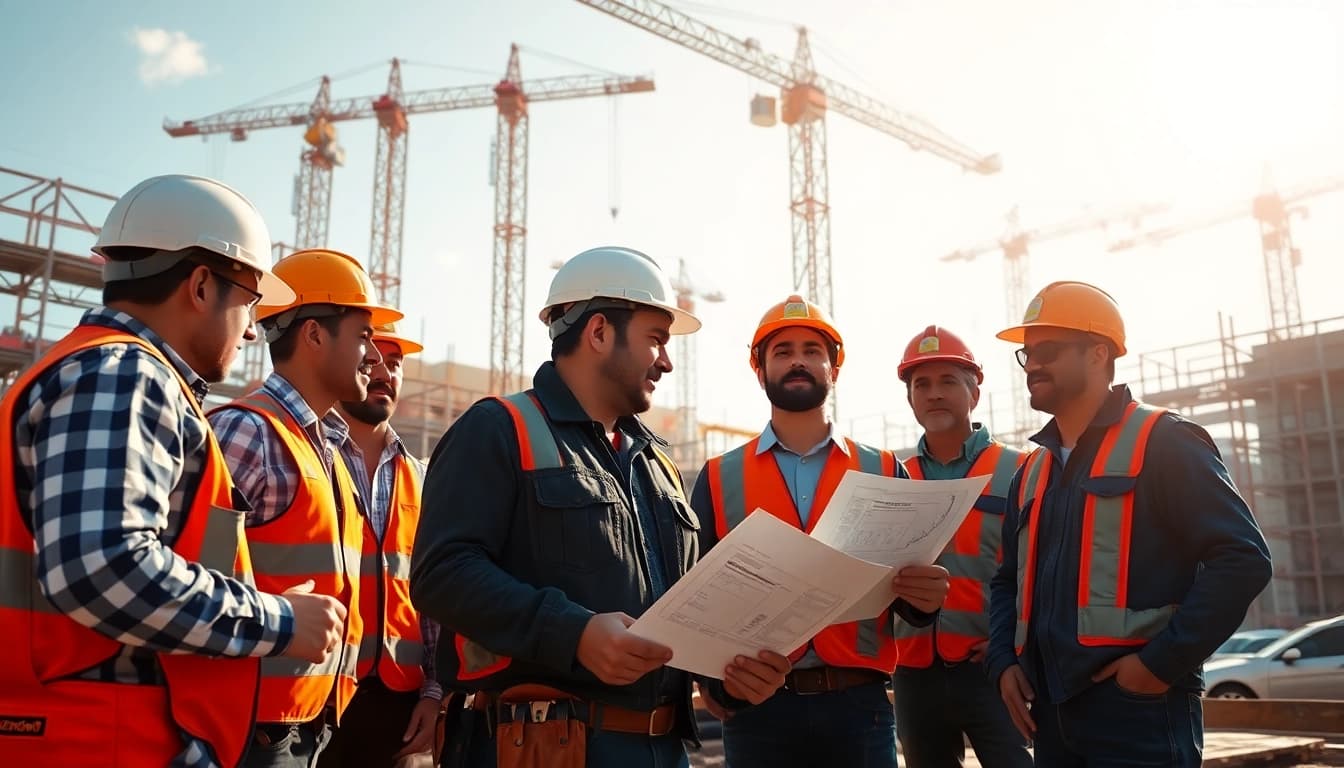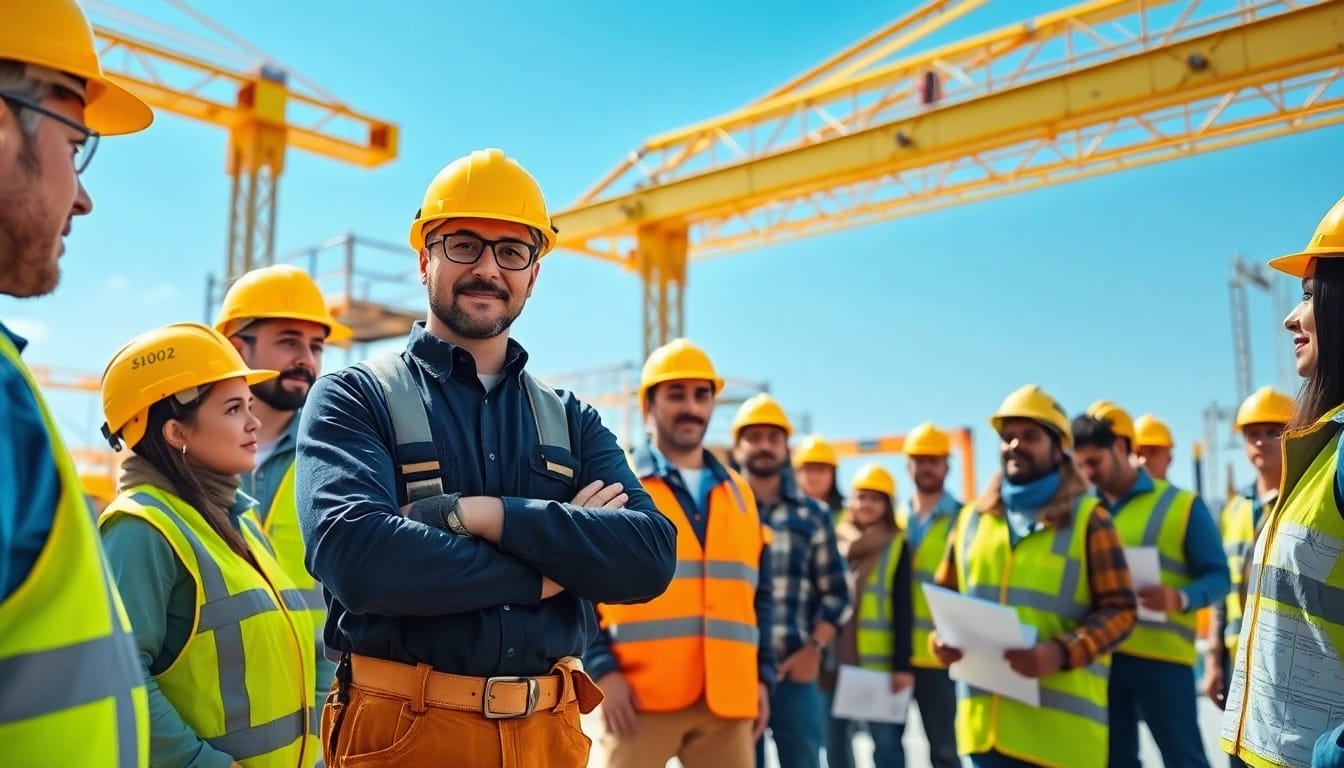
Understanding the Importance of Construction Safety Training
Construction safety training is an essential component of any construction project, aimed at ensuring the safety and well-being of all personnel involved. Within the industry, understanding the significance of training programs is crucial not only for compliance with regulations but also for fostering a culture of safety on job sites. The absence of proper training can lead to hazardous work environments, causing accidents that result in serious injuries or fatalities. By implementing effective construction safety training programs, employers can mitigate risks and create a safer working atmosphere.
Defining Construction Safety Training
Construction safety training encompasses a range of instructional programs designed to equip workers with the knowledge and skills necessary to perform their tasks safely. These training sessions cover various aspects of safety, including hazard recognition, proper use of personal protective equipment (PPE), emergency response procedures, and safe operation of machinery and equipment. The ultimate goal is to minimize accidents, injuries, and fatalities on construction sites.
Key Benefits of Safety Training for Workers
Investing in construction safety training yields numerous benefits not just for employers but also for workers. Some of the key advantages include:
- Enhanced Awareness: Training improves workers' ability to identify hazards and understand the importance of safety protocols.
- Injury Reduction: A well-trained workforce is less likely to suffer accidents, leading to lower injury rates.
- Improved Morale: Workers feel more secure and valued when they know their employer prioritizes safety.
- Regulatory Compliance: Proper training helps companies comply with Occupational Safety and Health Administration (OSHA) regulations and other industry standards.
- Cost Savings: Fewer accidents translate to lower insurance premiums and reduced costs related to accidents and injuries.
Legal Obligations and Compliance in Construction
Construction companies are legally obligated to provide a safe work environment, as mandated by federal and state regulations. Compliance with safety standards established by OSHA is not optional; failing to adhere can lead to severe penalties, including fines and legal liabilities. Furthermore, companies are responsible for ensuring that all employees receive adequate safety training tailored to their specific job functions. This adherence to legal standards protects not only the workforce but also the company's reputation and financial stability.
Types of Construction Safety Training Programs
General vs. Site-Specific Training
Construction safety training can be categorized into general training and site-specific training. General training is often provided to new hires and covers broad safety principles and practices applicable across various job sites. In contrast, site-specific training focuses on hazards and safety protocols unique to a particular project or location, such as specific machinery, environmental conditions, or site-specific risks. Combining both types of training ensures that workers are well-informed about safety procedures in general while being aware of the specific risks on their job site.
Specialized Safety Training Courses
In addition to general and site-specific training, many organizations offer specialized safety training courses focusing on niche areas of construction safety. Examples of specialized training include:
- Fall Protection Training: Equips workers with the knowledge to work at heights safely.
- Hazardous Materials Handling: Teaches employees safe handling, storage, and disposal of hazardous substances.
- Equipment Operation: Provides training on the safe operation of machinery, such as cranes or excavators.
Specialized training enhances workers' skills and ensures they are prepared to tackle specific challenges that may arise in their work environment.
Technology-Driven Training Solutions
With the rise of digital technology, construction safety training has evolved to incorporate online modules, virtual reality (VR), and augmented reality (AR) solutions. These technology-driven approaches offer immersive learning experiences that can improve engagement and retention. For instance, VR simulations can replicate hazardous situations in a safe environment, allowing workers to practice their response without real-world consequences. This innovative shift in training methodologies not only increases accessibility but also meets the learning preferences of various age groups within the workforce.
Implementing Effective Training Sessions
Planning and Scheduling Training Programs
To implement effective construction safety training sessions, careful planning and scheduling are essential. Organizations should first assess their training needs by evaluating job functions, identifying hazards, and considering workers' prior knowledge. Next, companies must create a training schedule that accommodates the availability of personnel, ensuring that all workers can participate without disrupting ongoing operations. Regular refresher courses should also be part of the training plan, as they reinforce important safety protocols and account for any changes in regulations or best practices.
Engaging Workers Through Interactive Training
Engagement is crucial for the success of safety training programs. Interactive training methods, including hands-on activities, group discussions, and multimedia presentations, can significantly enhance learner engagement and knowledge retention. Facilitators can also incorporate real-life scenarios and case studies to spark discussion and connect theoretical knowledge to practical applications. Using methods like gamification can also motivate workers to participate actively and absorb information more effectively, transforming traditional training into a dynamic learning experience.
Evaluating Training Effectiveness and Retention
Measuring the effectiveness of safety training is vital to ensure that objectives are met and that workers retain the knowledge gained. Assessment methods can include pre- and post-training evaluations, practical demonstrations, and feedback surveys. Companies should analyze the data gathered to identify areas where training could be improved or modified to better meet the needs of workers. Regular evaluation not only aids in retaining knowledge but also establishes a culture of continuous improvement within the organization.
Overcoming Barriers to Safety Training
Addressing Common Resistance from Workers
Resistance to safety training can stem from various factors, including perceived irrelevance or a lack of time. Addressing these challenges requires open communication and emphasis on the personal value of training. Leaders should explain the importance of safety not only for the company’s bottom line but for individual health and well-being. Additionally, highlighting success stories and the benefits of previous training can help change perceptions and garner buy-in from workers.
Ensuring Management Support and Resources
Management support is critical for the success of any training program. Leaders must commit to providing necessary resources such as budget, time, and personnel. By fostering a culture of safety, management can set the tone for the entire organization, emphasizing safety as a shared responsibility. Leadership involvement in training sessions can also inspire employees to take safety seriously and appreciate the investment made in their training.
Improving Accessibility and Inclusivity in Training
Ensuring that training is accessible and inclusive for all workers is essential in today’s diverse workforce. This can involve offering training in multiple languages, providing accommodations for individuals with disabilities, and considering varying learning styles. Enhancing accessibility not only ensures compliance with equality standards but also maximizes participation. By creating an environment that encourages everyone to engage in safety training, organizations promote an inclusive safety culture.
Measuring Success in Construction Safety Training
Key Performance Indicators to Track Progress
Measuring the success of construction safety training requires the establishment of key performance indicators (KPIs) that encompass both quantitative and qualitative metrics. Common KPIs include:
- Incident Rates: Tracking the number of accidents or near-misses before and after training.
- Training Completion Rates: Measuring the percentage of employees who complete training on time.
- Compliance Audits: Assessing adherence to safety practices through regular audits.
- Employee Feedback: Gathering insights from workers on their perception of the training effectiveness.
These metrics provide valuable insights into the effectiveness of safety training initiatives, allowing organizations to make informed adjustments.
Continuous Improvement Through Feedback Loops
Creating feedback loops is crucial for continuous improvement of safety training programs. By soliciting input from participants and implementing changes based on their suggestions, organizations can enhance the relevance and effectiveness of training initiatives. Following up with employees after training sessions to discuss what worked well and what could be improved fosters a culture of open dialogue and ongoing learning. This approach leads to the development of training that is dynamic and responsive to the evolving needs of the workforce.
Case Studies of Successful Safety Training Programs
Examining case studies from organizations that have successfully implemented construction safety training programs can provide valuable lessons and insights. For instance, a construction company that reduced its incident rates by 40% demonstrated that regularly scheduled safety drills, combined with employee feedback, significantly improved their training content. Another company achieved remarkable results by integrating VR training modules, allowing workers to immerse themselves in real-life scenarios without risk. Highlighting these successes can inspire other organizations to adopt similar practices and learn from their peers.
Frequently Asked Questions (FAQs)
What is the purpose of construction safety training?
The purpose of construction safety training is to equip workers with knowledge and skills to recognize hazards, follow safety protocols, and prevent accidents on job sites.
How often should safety training be conducted?
Safety training should be conducted regularly, with new employee training provided upon hire, followed by periodic refresher courses to stay updated on protocols.
What are the key components of an effective safety training program?
Key components include hazard recognition, proper use of PPE, emergency response procedures, and site-specific training tailored to the project's needs.
How do I ensure my team engages in safety training?
Engagement can be fostered by using interactive training methods, incorporating real-life scenarios, and emphasizing the personal benefits of safety practices.
What metrics should I track to measure training success?
Important metrics include incident rates, training completion rates, employee feedback, and findings from compliance audits to gauge training effectiveness.