Crawl Space Importance and Benefits
The crawl space beneath your home plays a crucial role in the overall health of your property. Often overlooked, this area can significantly impact the structural integrity, air quality, and even energy efficiency of your home. Understanding the relevance of maintaining a clean and well-ventilated crawl space cannot be overstated, especially when considering long-term benefits. For those seeking comprehensive crawl space solutions, resources are readily available at http://newleafcrawlspace.com.
Why a Clean Crawl Space Matters
A clean crawl space is essential for several reasons. Primarily, it helps prevent moisture buildup, which can lead to structural issues and mold growth. Moisture can compromise wooden structures, leading to costly repairs. Moreover, a tidy crawl space curtails the risk of pest infestations, providing a less inviting environment for rodents and insects that may damage your home and affect your health.
Health Implications of Neglected Spaces
Neglecting your crawl space can result in numerous health issues for inhabitants. Mold spores released into the air can trigger respiratory problems and allergies. Dust mites, which thrive in damp conditions, can also cause significant allergic reactions. Therefore, maintaining a clean crawl space is not merely an aesthetic task but a necessary health measure for your household.
Long-term Value of Crawl Space Maintenance
Investing in regular maintenance and cleaning of your crawl space can yield tremendous long-term value. Not only does it keep the home healthier, but it also enhances energy efficiency. Proper insulation and ventilation can reduce heating and cooling costs, ultimately increasing your property’s market value. Furthermore, regular upkeep helps identify potential issues before they escalate, translating into significant savings over time.
Common Crawl Space Issues
Moisture Problems and Solutions
Moisture problems are among the most common issues affecting crawl spaces. This can manifest as visible water or humidity in the air, leading to mold growth and wood rot. Solutions include installing a vapor barrier to prevent moisture from the ground, ensuring proper drainage around your home, and utilizing dehumidifiers to lower humidity levels.
Pest Infestations: Detection and Prevention
Pests such as rodents and insects are attracted to damp and cluttered crawl spaces. Regular inspections are crucial to detect signs of infestation, such as droppings or nests. Prevention strategies include sealing entry points, keeping the space clean, and using bait traps or professional pest control services to manage infestations.
Structural Damage Risks
Structural integrity can be compromised due to issues arising in the crawl space, such as termites, mold, and shifting soil. Regular inspections can help identify early signs of structural damage. Reinforcement with steel or composite lumber can be valuable in areas of significant concern, ensuring your home remains safe and stable for years to come.
Best Practices for Crawl Space Maintenance
DIY Cleaning Steps
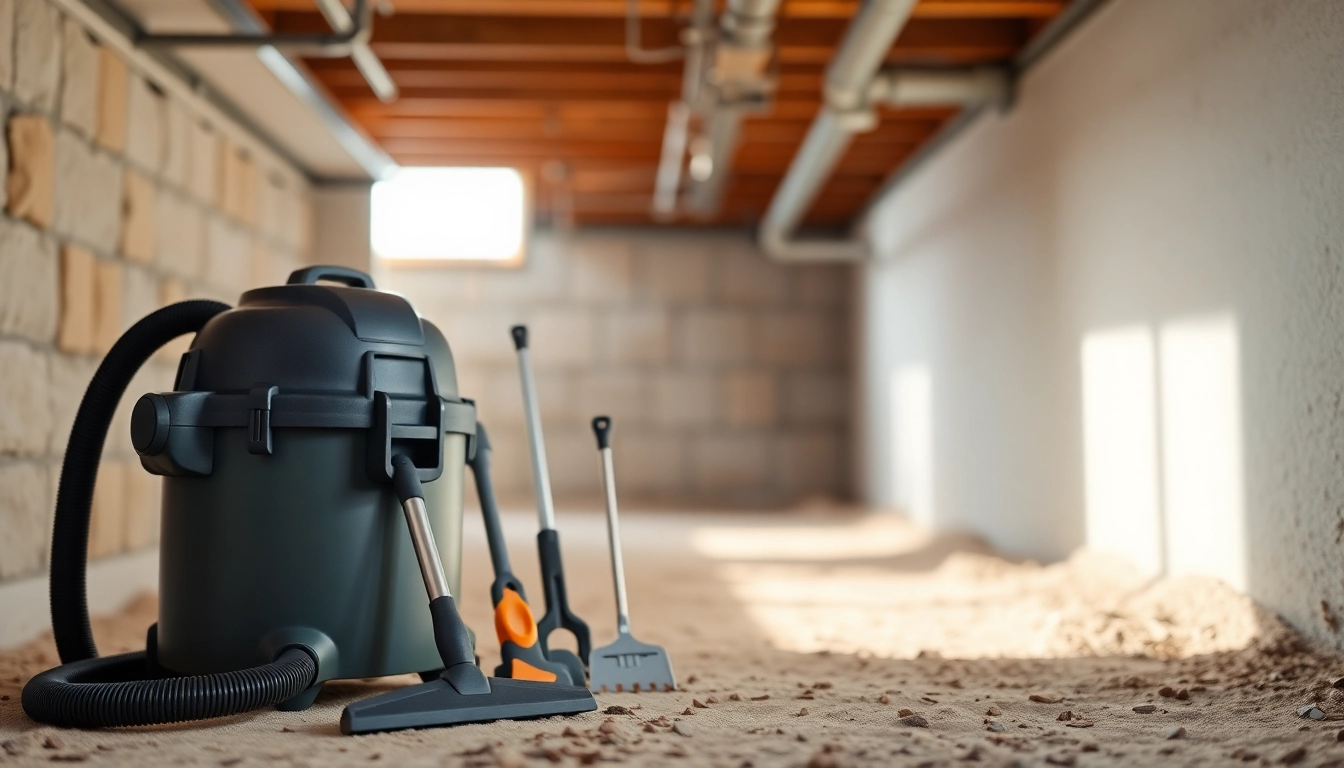
Performing DIY cleaning can save costs while maintaining your crawl space. Begin by clearing debris and removing any mold or dirt with a mixture of water and mild detergent. Ensure that any standing water is addressed promptly. Furthermore, installing a vapor barrier and ensuring proper ventilation can mitigate moisture issues.
When to Call Professionals
While DIY efforts are crucial, some situations necessitate professional intervention. If you notice extensive mold growth, significant water intrusion, or pest infestations, it’s wise to call in experts. Certified professionals can perform thorough inspections, apply specialized treatments, and recommend long-term solutions catered to your specific needs.
Regular Inspection Guidelines
Regular inspections of your crawl space can help prevent future issues. It is advisable to conduct checks at least once a year or after significant weather events. During inspections, look for signs of mold growth, water damage, pest activity, and the overall condition of insulation and foundation supports.
Crawl Space Renovation Techniques
Insulation Upgrades for Efficiency
Improving insulation in your crawl space enhances energy efficiency significantly. Effective insulation materials include fiberglass batts, spray foam, and rigid foam boards. Properly insulated crawl spaces help maintain consistent interior temperatures, reducing energy costs associated with heating and cooling.
Mold Remediation Methods
Addressing mold in crawl spaces involves several steps. First, identify and eliminate sources of moisture. Once the area is dry, mold can be removed using commercial-grade mold cleaners or a mixture of water and vinegar. Sealing affected wood with a mold-resistant sealant can also provide additional protection against regrowth.
Improving Drainage Systems
Effective drainage is key to managing moisture levels in crawl spaces. Installing a sump pump can remove excess water promptly. Additionally, grading the surrounding landscape to ensure water flows away from your home and creating French drains can assist in managing water effectively, preventing it from pooling under your home.
Choosing the Right Services
What to Look for in a Crawl Space Provider
When choosing a crawl space service provider, look for certification, experienced staff, and comprehensive service offerings. Client reviews and testimonials can provide insight into their reliability and quality of work. Furthermore, ensure that the company offers warranties on their services and a transparent pricing structure.
Comparative Analysis of Services
Different companies may offer varying levels of service for crawl space cleaning and maintenance. Comparing service packages can help identify which one best meets your needs. Look for services that include inspections, cleaning, pest control, and moisture management systems, ensuring a comprehensive approach to maintaining your crawl space.
Understanding Service Pricing and Value
Understanding the pricing structures associated with crawl space services can aid in making informed decisions. Costs usually depend on the level of service required, the size of the crawl space, and any special treatments. However, consider the long-term value and potential savings from preventative maintenance versus the cost of neglecting the space.