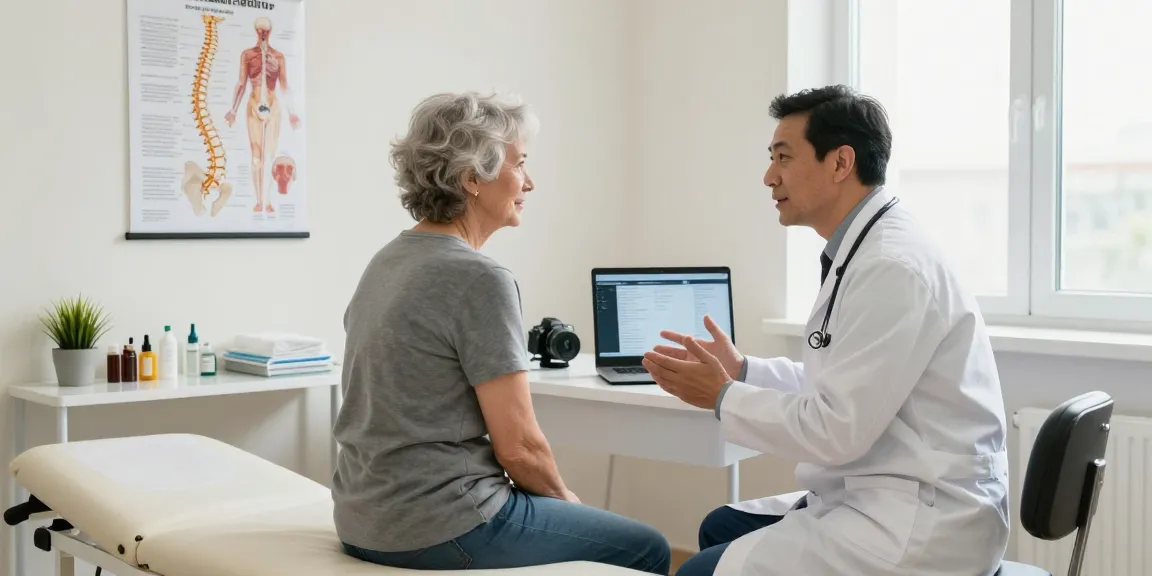
Understanding Orthopedic and Sports Physical Therapy
Definition and Objectives of Physical Therapy
Orthopedic and sports physical therapy focuses on the treatment of musculoskeletal injuries and conditions. These include various injuries and functional limitations resulting from physical activities, whether they are recreational sports, competitive athletics, or everyday activities. Physical therapists are healthcare professionals who aim to restore movement and function, alleviate pain, and enhance athletic performance through customized treatment plans. The ultimate objective is to empower patients, allowing them to regain optimal function and quality of life.
How Physical Therapy Supports Athletic Performance
Physical therapy plays a crucial role in the athletic training continuum. Athletes often face unique physical demands that can lead to injuries. Through evidence-based evaluation techniques, physical therapists assess movement patterns and identify underlying issues that could contribute to injuries. They design personalized rehabilitation protocols that include strength training, flexibility exercises, and neuromuscular training—tailoring the recovery process to support athletes in returning to peak performance. Not only does physical therapy assist in rehabilitation from injuries, but it also enhances athletic performance by improving strength, endurance, and overall physical health.
Current Trends and Techniques in Treatment
Modern orthopedic and sports physical therapy have evolved with advancements in technology and a deeper understanding of body mechanics. Some current trends include:
- Functional Training: Utilizes exercises that mimic daily activities to improve patients' functionality and performance.
- Manual Therapy: Involves hands-on techniques to manage pain and restore movement.
- Dry Needling: A technique used to treat myofascial pain by inserting needles into trigger points within muscles.
- Telehealth: Providing remote consultations and rehabilitation services, making therapy more accessible for patients.
The Importance of Personalized Care in Therapy
Assessing Individual Patient Needs
Personalized care begins with a comprehensive assessment, where therapists evaluate the patient’s medical history, physical condition, and specific goals. By understanding individual circumstances, physical therapists can create a tailored plan that addresses specific concerns while enhancing efficiency and effectiveness in recovery mechanisms.
Incorporating Evidence-Based Practices
In the pursuit of effective treatment solutions, evidence-based practices are fundamental. These practices are grounded in contemporary research and clinical guidelines that support the therapeutic interventions employed by physical therapists. Incorporating this scientific evidence into treatment protocols ensures that patients receive safe, effective, and proven procedures that are aligned with best practices.
Building Strong Therapist-Patient Relationships
The relationship between a therapist and a patient is vital for successful rehabilitation. Creating a trusting and communicative environment encourages collaboration, which can significantly enhance treatment adherence. Therapists educate regularly, motivating patients to take an active role in their recovery process by understanding their conditions, treatment plans, and outcomes.
Common Conditions Treated by Physical Therapy
Knee and Shoulder Injuries
Knee and shoulder injuries encompass a wide range of issues, from sprains and strains to more complex injuries like tears and fractures. These injuries can significantly impact movement and functionality. Personalized rehabilitation involve exercises that improve strength, range of motion, and overall joint stability, tailored to each particular case.
Post-Surgical Rehabilitation
Post-surgical recovery often requires specialized rehabilitation interventions to ensure successful outcomes. Physical therapists assess the surgical site and develop treatment protocols that promote healing while strategically increasing mobility and strength. They monitor progress meticulously, adjusting treatment plans to align with recovery milestones.
Chronic Pain Management Strategies
Chronic pain can be debilitating and requires a comprehensive management approach. Physical therapists implement techniques such as therapeutic exercise, manual therapy, and patient education focused on self-management strategies. The goal is to reduce pain levels while enhancing overall functionality and improving the patient's quality of life.
Innovative Approaches to Therapy
The Role of Technology in Rehabilitation
Technology is becoming increasingly integral to rehabilitation practices. Advanced modalities such as ultrasound therapy, electrical stimulation, and virtual reality systems create unique treatment opportunities that enhance recovery. These technologies enable therapists to assess progress more accurately and implement more efficient treatment regimens.
Integrating Strength and Conditioning Programs
Preventive strength and conditioning programs are vital for athletes and those engaged in physical activities. By incorporating tailored exercises that focus on building functional strength and injury prevention, physical therapists can assist individuals in minimizing the risk of re-injury while enhancing performance capabilities.
Utilizing Recovery Tools and Aids
Novel recovery tools and aids, including foam rollers, resistance bands, and kinesiology tape, are increasingly leveraged in therapeutic settings. These devices facilitate myofascial release, assist in muscle recovery, and aid in enhancing joint stability, ultimately contributing to a comprehensive rehabilitation protocol.
Measuring Success in Therapy Outcomes
Setting Realistic Goals and Expectations
Success in rehabilitation hinges on establishing realistic, achievable goals. Physical therapists engage patients in setting these goals, ensuring they are aligned with personal aspirations and timelines. A collaborative approach in defining these objectives fosters engagement and motivates individuals to adhere to their treatment programs.
Evaluating Progress and Adjusting Treatment Plans
Continuous assessment is a cornerstone of effective rehabilitation. Therapists regularly evaluate the patient’s progress through physical assessments and subjective feedback, allowing them to modify treatment plans as necessary. This flexibility ensures that the approach remains effective in meeting the patient’s evolving needs and conditions.
Patient Feedback and Continuous Improvement
Soliciting patient feedback throughout the therapeutic process is crucial for continuous improvement. Feedback mechanisms enable therapists to understand the patient experience, refine techniques, and enhance the overall quality of care provided. Therapists aim to create an environment where patient input is embraced, fostering a culture of continuous improvement.
Overall, orthopedic and sports physical therapy encompasses a broad spectrum of techniques aimed at restoring functionality, alleviating pain, and enhancing athletic performance. By prioritizing personalized care, leveraging current trends, and embracing innovative approaches, physical therapists fulfill a fundamental role in supporting recovery and optimizing performance. For those interested in learning more about therapies tailored for individual needs, exploring local providers such as https://www.fhpts.com may offer significant insights and options.