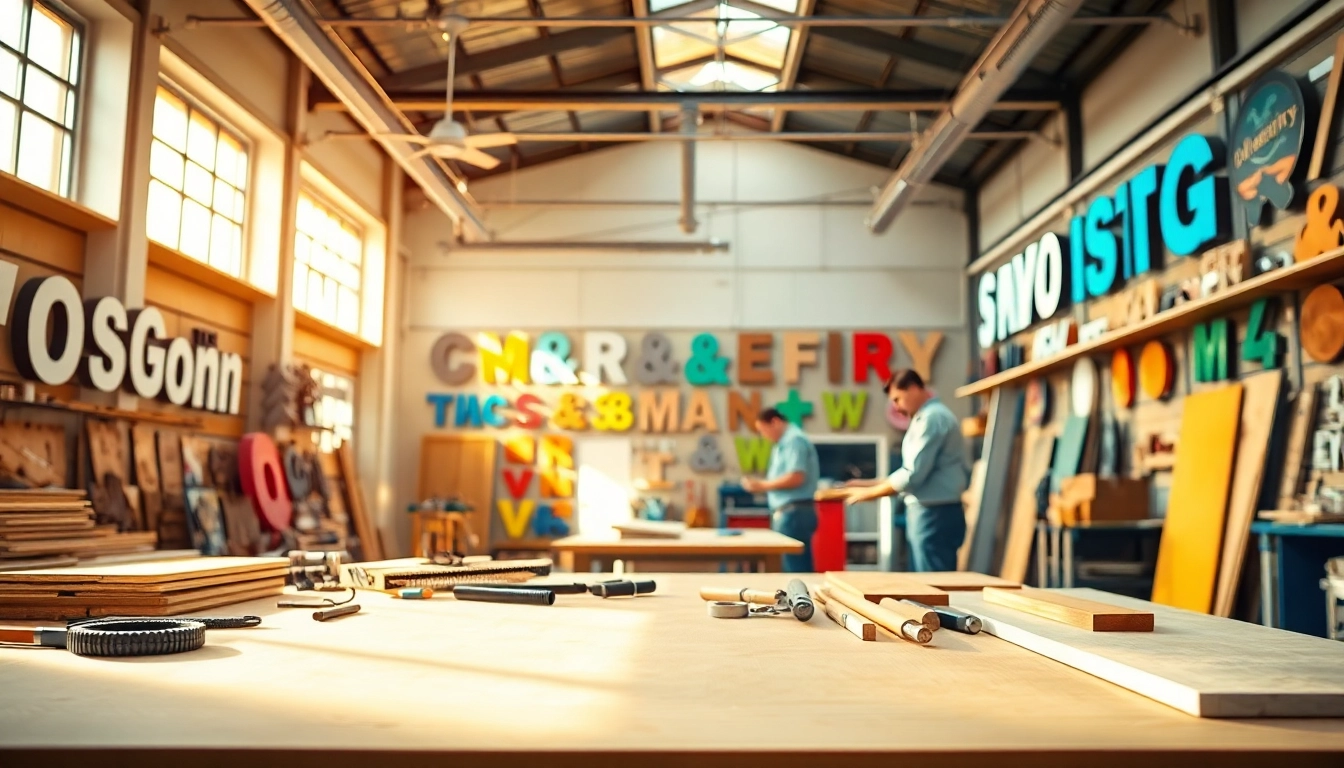
Understanding Sign Manufacturing Basics
The world of sign manufacturing is pivotal in the modern marketing landscape. It involves the conception, creation, and installation of various signage, aimed at conveying information, advertising, or branding. This comprehensive guide explores the fundamentals and intricacies that govern sign manufacturing, paving the way for effective communication via signs in myriad environments, from retail spaces to event venues.
What is Sign Manufacturing?
Sign manufacturing refers to the processes and techniques involved in creating visual displays that communicate specific messages to the target audience. These can range from expansive billboards to small directional signs, and every type of signage plays a distinct role. The primary goals include visibility, clarity, and aesthetic appeal, ensuring that the intended message is easily understood and appreciated by the public.
The Materials Used in Sign Manufacturing
Materials significantly affect the quality, durability, and appearance of signs. Different signs require distinct materials based on their purpose and location. For example:
- Acrylic: Lightweight and impact-resistant, acrylic is often used for indoor and outdoor signs due to its versatile clarity and durability.
- Aluminum: Renowned for its strength and weather resistance, aluminum is ideal for outdoor signage and is commonly used for street signs.
- Vinyl: Flexible and highly customizable, vinyl is popular for banners, vehicle wraps, and stickers.
- Wood: Offering a rustic aesthetic, wood is commonly used for boutique signage and specialty stores, providing a warm yet professional look.
Understanding these materials is essential for creating signs that not only fulfill practical needs but also resonate with customers aesthetically.
The Importance of Design in Sign Manufacturing
Design is arguably one of the most critical aspects of sign manufacturing. An effective sign design enhances visibility and communicates the intended message succinctly. Key elements include:
- Color Scheme: Colors should be chosen based on the brand identity and the psychological impact they have on viewers.
- Font Type and Size: The typography must be easy to read and align with the brand’s image, ensuring legibility from varying distances.
- Graphics and Logos: Integrating brand elements into the sign design reinforces brand identity and trust.
- Hierarchy of Information: Prioritizing information ensures that the most critical messages capture attention first.
A well-crafted design can significantly improve the effectiveness of a sign, acting as a silent salesperson and guiding potential customers toward action.
Essential Tools and Techniques in Sign Manufacturing
Creating high-quality signs involves specific tools and techniques tailored to precision and quality. The right equipment complements the skills of the sign maker, ensuring superior results.
Common Tools for Sign Manufacturing
Sign manufacturing employs a variety of tools ranging from traditional equipment to modern technology. Here are some common tools:
- Plotters: Used for cutting vinyl and other materials with precision, plotters automate the cutting process, enhancing accuracy.
- Laser Cutters: Employing high-powered lasers, these cutters can create intricate designs and provide clean, precise edges.
- Printing Machines: Digital printers are crucial for high-quality graphics, allowing for vibrant, detailed signage.
- Heat Presses: Essential for applying graphics onto materials such as fabric, heat presses ensure durability and high-quality finish.
Familiarity with these tools not only streamlines the manufacturing process but enhances overall sign quality.
Techniques for Accurate Measuring and Cutting
Accuracy in measuring and cutting is fundamental to sign manufacturing. Techniques that aid in precision include:
- Using Templates: Creating templates helps in maintaining uniformity in sign shapes and sizes across multiple units.
- Calibrating Tools: Regularly calibrating cutting tools ensures that they maintain the expected performance levels.
- Employing Guides: Guides for cutting machinery can help ensure true lines and help achieve consistent results.
Enhancing measuring and cutting accuracy reduces waste and improves the overall quality of signs.
Finishing Touches that Enhance Sign Manufacturing
Finishing touches are critical in making signs visually appealing and functional. Elements such as:
- Coatings: Utilizing protective coatings can bolster a sign's longevity by providing resistance to environmental factors.
- Mounting and Hanging Solutions: Choosing the right mounting or hanging options ensures that signs are secure and displayed correctly.
- Lighting: Employing internal or external lighting can enhance visibility, especially for outdoor signs in low-light conditions.
Investing time and resources into these finishing aspects can transform a standard sign into an eye-catching, high-quality display.
Best Practices for Effective Sign Manufacturing
To ensure that signs are effective, long-lasting, and compliant with regulations, employing best practices during the manufacturing process is essential.
Ensuring Durability and Longevity
Durability is a cornerstone of effective sign manufacturing. Signs often face harsh weather, UV rays, and physical wear. Strategies to enhance longevity include:
- Using UV-resistant inks: This prevents colors from fading due to prolonged sun exposure.
- Choosing high-quality materials: Investing in premium materials can significantly increase the lifespan of the signage.
- Applying protective layers: Coatings or laminations add an extra layer of defense against scratches and environmental damage.
By focusing on durability, businesses ensure their messaging remains visible and effective over time.
Incorporating Safety Standards in Sign Manufacturing
Compliance with safety standards is essential in sign manufacturing, particularly for signs placed in public areas. Adhering to regulations ensures that signs are not only informative but also safe:
- Using non-toxic materials: Safety should be prioritized to avoid any harmful effects on the public.
- Adhering to ADA guidelines: Ensuring signs are accessible to individuals with disabilities is crucial.
- Following local codes: Familiarity with local regulations regarding sign sizes, placements, and materials can prevent legal issues.
Integrating safety into the design and manufacturing process fosters a safer environment.
Quality Control Measures in Sign Manufacturing
In any manufacturing process, quality control is vital. Incorporating these measures ensures that every sign meets established standards:
- Inspection during production: Regular checks during various stages of production help catch and correct errors early.
- Testing prototypes: Building and testing prototypes before full-scale production allows for adjustments and improvements.
- Client feedback: Engaging clients for feedback after installation provides valuable insights for future projects.
Implementing robust quality control practices results in superior end products and satisfied customers.
Trends Shaping the Future of Sign Manufacturing
As technology evolves, so does the landscape of sign manufacturing. Recognizing trends can inform best practices and innovation strategies.
Innovative Materials in Sign Manufacturing
New materials are emerging in the sign manufacturing industry, enabling more creativity and efficiency:
- Eco-friendly materials: Sustainable options, such as recyclable substrates and inks, are gaining popularity.
- Smart materials: Technology-infused materials can display changing messages or respond to environmental conditions.
- Lightweight composites: These materials provide an ideal solution for large signs while maintaining structural integrity.
Staying abreast of innovative materials helps manufacturers produce cutting-edge signs that meet consumer demands.
Digital Technologies Impacting Sign Manufacturing
Integration of digital technology is revolutionizing sign manufacturing:
- 3D Printing: Allows for complex shapes and designs that traditional methods may struggle to achieve.
- Digital Signage: Incorporating screens allows for dynamic displays that can change messages in real-time.
- CAD Software: Computer-aided design tools facilitate planning and precision in creating new signs.
Embracing digital technologies not only enhances production efficiency but also widens the scope for creative designs.
Sustainability in Sign Manufacturing
Sustainability is a global priority, and the sign manufacturing industry is responding. Practices that promote sustainability include:
- Using sustainable resources: Relying on recyclable and biodegradable materials is becoming standard practice.
- Energy-efficient production: Implementing energy-saving technologies and methods in manufacturing helps reduce the ecological footprint.
- Local sourcing: Supporting local suppliers not only aids the local economy but also minimizes transportation emissions.
Adopting sustainable practices fosters environmental responsible manufacturing and can enhance brand reputation.
FAQs about Sign Manufacturing
What types of signs can be manufactured?
Sign manufacturing covers various types, including banners, storefront signs, vehicle wraps, and more.
How long does the sign manufacturing process take?
The duration varies based on complexity, typically ranging from a few days to several weeks.
What materials are best for outdoor signage?
Durable materials like acrylic, aluminum, and weather-resistant vinyl are ideal for outdoor signs.
Can I customize my sign design?
Yes, most sign manufacturers offer customization options to match your branding or personal preferences.
How do I maintain my signs after manufacturing?
Regular cleaning and inspection for damage will prolong your signs' lifespan and visibility.