Overview of Fitness Equipment Manufacturing
The fitness equipment manufacturing industry is a dynamic and ever-evolving sector that plays a crucial role in promoting health and wellness globally. With the increasing emphasis on fitness and healthy living, the demand for high-quality fitness equipment continues to rise. Among the leading players in this field is Zhejiang Ciapo Sporting Goods Co., Ltd, a distinguished fitness equipment manufacturer specializing in advanced solutions and innovative designs that cater to the diverse needs of fitness enthusiasts and gym owners alike.
Understanding the Role of a Fitness Equipment Manufacturer
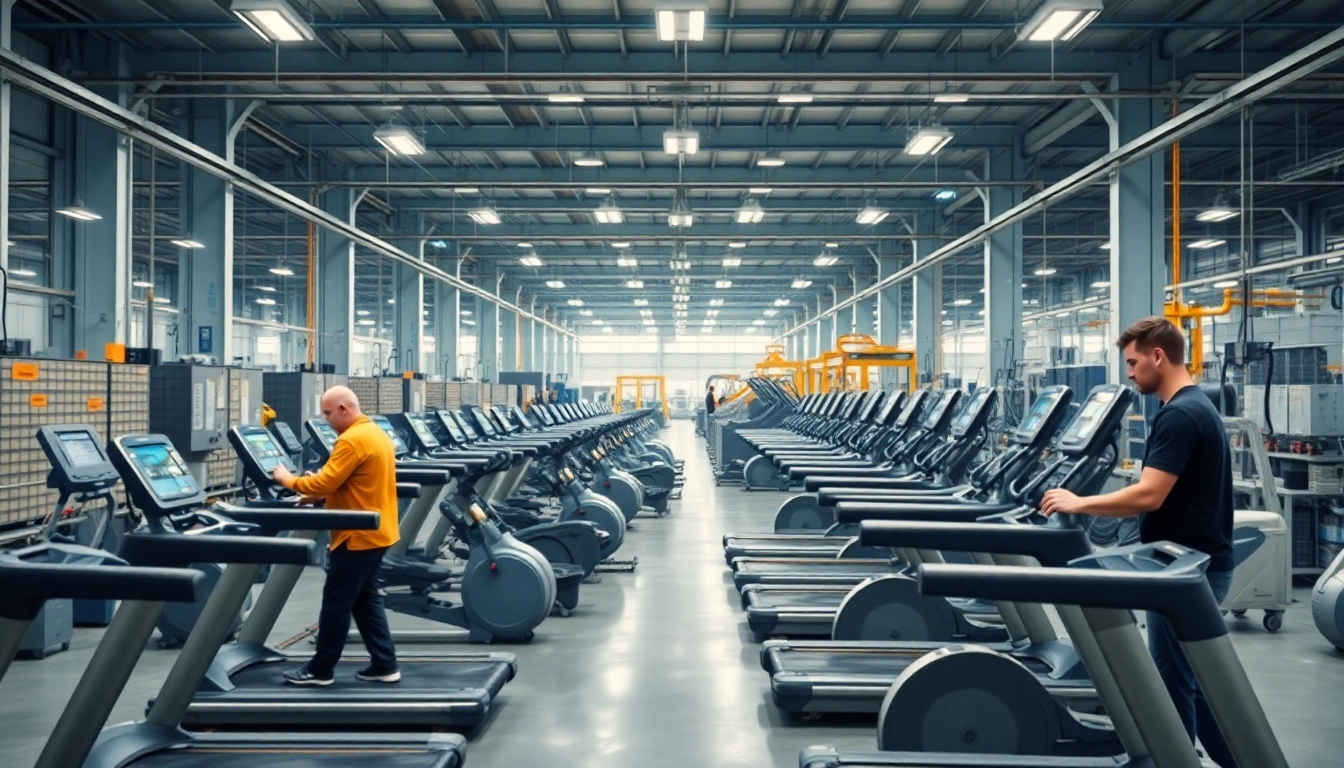
Fitness equipment manufacturers are pivotal in providing the tools needed for effective workouts, ranging from home gym setups to commercial-grade machines used in large fitness centers. These manufacturers focus on developing innovative, durable, and efficient exercise equipment. By utilizing cutting-edge technology and rigorous testing, they ensure that their products meet the ever-growing demands of quality and functionality required by consumers today.
Key Technologies in Fitness Equipment Production
Modern fitness equipment manufacturing employs various technologies that enhance the performance and safety of gym machines:
- Air Pressure Technology: This technology is particularly important in the design of elliptical machines and treadmills, providing smoother operations and adjustable resistance.
- Smart Fitness Technology: Integration of IoT devices that allow users to track their workouts in real-time, enhancing user engagement and motivation.
- Eco-friendly Materials: Sustainability is becoming a priority, with manufacturers opting for recyclable materials and energy-efficient processes.
Market Trends Shaping the Industry
The fitness industry is currently experiencing several trends that influence manufacturing strategies:
- Personalization: Consumers now seek customizable fitness solutions tailored to their specific needs.
- Digital Integration: The rise of online fitness platforms has pushed manufacturers to create equipment that connects with mobile applications.
- Health Consciousness: More individuals are focused on well-being, directly impacting product features and marketing strategies.
Importance of ODM and OEM Customization
Customization plays a vital role in the fitness equipment industry, allowing companies to stand out in a competitive marketplace. Original Design Manufacturing (ODM) and Original Equipment Manufacturing (OEM) are two essential avenues for achieving this.
Benefits of ODM Customization for Brand Differentiation
ODM allows brands to develop unique products that reflect their values and appeal to their target audience. By engaging in ODM services, manufacturers can:
- Create exclusive designs that resonate with consumers.
- Tap into niche markets by offering specialized equipment.
- Enhance brand loyalty through tailored customer experiences.
How OEM Manufacturing Meets Market Demand
OEM manufacturing enables fitness equipment manufacturers to produce equipment based on existing designs and specifications from other brands. This approach streamlines production and meets market demands effectively. Benefits include:
- Reduced time to market, rapidly addressing consumer needs.
- Cost-effective production strategies leveraging established designs.
- Ability to focus on quality while relying on proven concepts.
Case Studies of Successful Custom Fitness Equipment
Several fitness brands have successfully utilized ODM and OEM strategies:
- Example A: A major gym chain partnered with manufacturers to develop custom-branded treadmills that featured built-in fitness tracking technology, leading to increased customer engagement and membership retention.
- Example B: A start-up fitness brand utilized ODM to create a line of eco-friendly yoga mats, capturing the growing trend towards sustainability in fitness.
Quality Control in Fitness Equipment Production
Quality assurance is critical in the fitness equipment manufacturing process, ensuring that products meet safety and performance standards.
Implementing Strict Quality Standards
Manufacturers like Ciapo Treadmill implement stringent quality controls to maintain high production standards. This includes:
- Regular audits of production processes to ensure compliance with international quality standards.
- Testing equipment prototypes rigorously before market release.
- Adopting ISO certifications that validate their commitment to quality management.
Role of QC Teams in Manufacturing Success
The quality control (QC) teams are essential to a manufacturer’s reputation. They monitor production lines, ensure proper equipment use, and enforce quality checks at every stage. Their proactive role helps in:
- Identifying defects early in the production process, reducing waste and costs.
- Providing feedback for continuous improvement in manufacturing processes.
- Ensuring customer satisfaction through reliable product quality.
Performance Metrics for Quality Assurance
Manufacturers use various metrics to assess and improve quality:
- Defect Rate: The percentage of defective products produced, which helps in identifying areas needing improvement.
- Customer Feedback: Monitoring customer reviews and ratings to gauge satisfaction and areas for enhancement.
- Product Return Rates: Analyzing the reasons behind returns can inform adjustments in design or manufacturing processes.
Marketing Strategies for Fitness Equipment Manufacturers
To thrive in a competitive landscape, fitness equipment manufacturers must adopt effective marketing strategies that resonate with their audience.
Creating a Competitive Edge in the Market
Establishing a unique selling proposition (USP) is vital for differentiation. Manufacturers can emphasize aspects such as technology, sustainability, or design innovations to attract customers. Strategies include:
- Highlighting unique features in product descriptions and marketing campaigns.
- Utilizing testimonials and success stories to build credibility.
- Participating in fitness expos and trade shows to showcase innovations.
Leveraging Online Platforms for Brand Visibility
Digital marketing strategies are essential for growing brand presence. Effective tactics include:
- Engaging with customers on social media platforms to create community and brand loyalty.
- Implementing SEO strategies to improve website visibility and attract organic traffic.
- Offering influencer partnerships to tap into established audiences.
Engaging Customers through Effective Messaging
Meaningful messaging helps brands connect with their audience. This can be achieved through:
- Creating informative content that educates consumers about product benefits.
- Using storytelling to share the brand's background and mission.
- Incorporating user-generated content to foster community engagement.
The Future of Fitness Equipment Manufacturing
As the fitness industry evolves, so too must the manufacturing practices that support it. Anticipating future trends can help manufacturers remain relevant.
Emerging Technologies that Will Define 2025
Technology continues to shape the landscape of fitness equipment manufacturing:
- Artificial Intelligence: Utilizing AI for personalized workout experiences, guiding users through tailored regimens based on their performance data.
- Augmented Reality: Integrating AR into equipment for real-time feedback during workouts.
- Smart Materials: Developing fitness equipment with self-repairing capabilities or materials that adapt to user preferences.
Consumer Trends Influencing Product Development
Manufacturers must pay attention to the changing preferences of consumers:
- There is a growing demand for home gym equipment due to the rise of remote work and home-based fitness.
- Consumers are increasingly concerned with sustainability, influencing manufacturers to adopt greener practices.
- Engagement through digital platforms is a priority, leading to the development of equipment that integrates with fitness apps.
Preparing for Sustainable Practices in Manufacturing
With rising awareness about environmental issues, manufacturers are under pressure to adopt sustainable practices:
- Investing in renewable energy sources for production facilities.
- Implementing recycling programs and reducing waste during manufacturing.
- Using sustainable materials in the production of fitness equipment.