Understanding Gasoline Odor
The smell of gasoline in your home can be a cause for concern, not just an unpleasant annoyance. It's essential to understand what might lead to such odors and the necessary actions to take. In this comprehensive guide, we'll explore how to get rid of gasoline smell in house effectively, using both natural remedies and deeper cleaning techniques.
What Causes Gasoline Smell in the House?
Gasoline odors typically arise from spills or leaks around fuel storage areas—garages, basements, or outdoor spaces. This smell can permeate your house through various pathways such as air vents, open windows, and even the clothing or hands of individuals who have come in contact with gasoline. Poorly sealed containers, damaged fuel lines, or malfunctioning engines can also contribute indefinitely to these intrusive scents.
Health Risks Connected to Gasoline Fumes
Exposure to gasoline vapors can pose several health risks. Short-term effects may include headaches, dizziness, and respiratory issues, while prolonged exposure can lead to more severe complications like liver and kidney damage or even long-term neurological impairments. Thus, understanding the health implications is crucial in maintaining a safe living environment when facing gasoline odors.
Signs Your Home Has a Gasoline Problem
Identifying the signs of a gasoline problem can help avert health risks. Key indicators include:
- Strong odor of gasoline, especially concentrated near specific areas.
- Headaches or other symptoms that increase when in the affected area.
- Fumes or vapors visible around fuel storage areas.
- Mold or brown spots in areas exposed to gasoline.
Preparation and Safety Measures
Before addressing the smell, it's vital to take the necessary precautions to ensure safety during the cleanup process.
Initial Actions to Take When Noticing the Smell
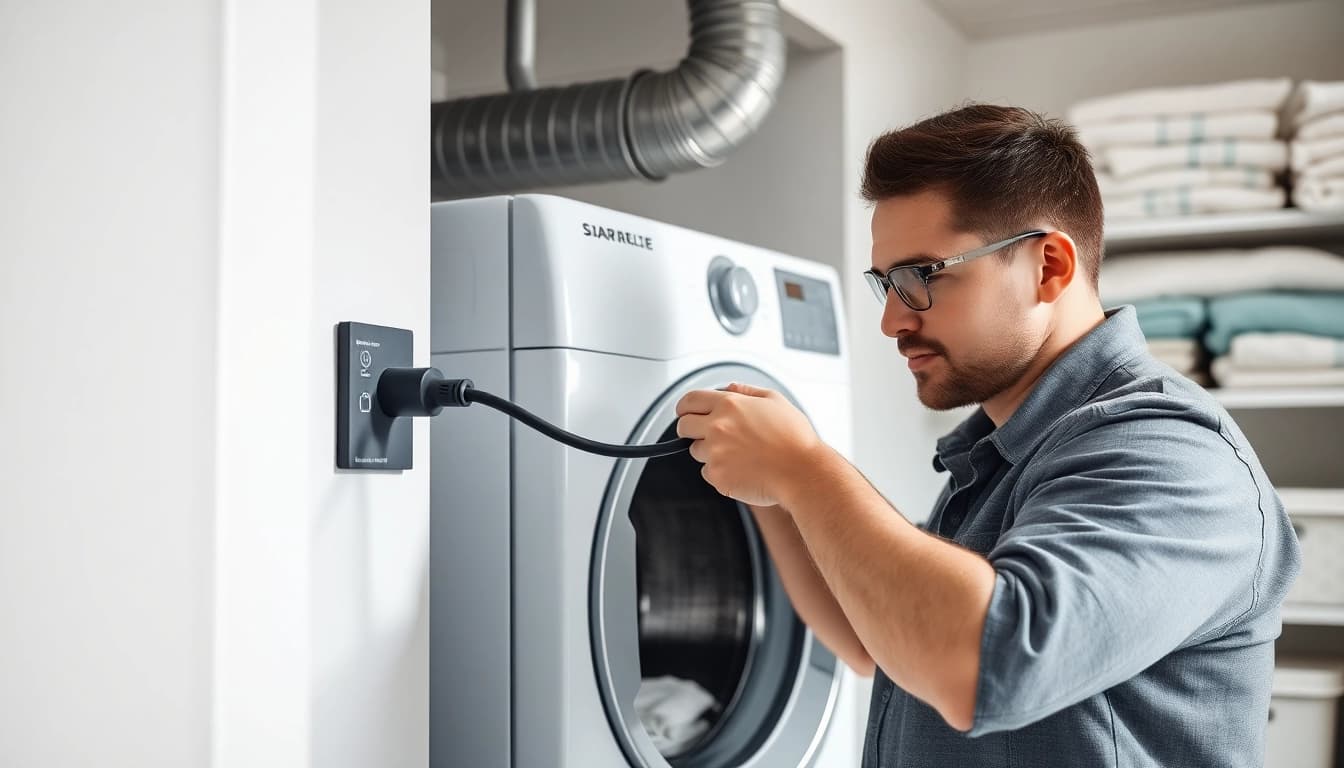
On detecting a gasoline smell, your first step should be to exit the premises to avoid health risks. Ensure that all flames, heat sources, or electronic devices are off. Avoid using anything that could create a spark, as gasoline vapors are highly flammable. It’s critical to ventilate your home by opening windows and doors to disperse the fumes.
Essential Safety Gear During Cleanup
When you're ready to tackle the cleanup, equip yourself with protective gear. Essential items include:
- Self-contained breathing apparatus (if available), or at least a mask.
- Gloves to protect your skin from harmful compounds in gasoline.
- Safety goggles to shield your eyes from any harmful splashes.
Ensuring Proper Ventilation in Your Home
Ventilation plays an essential role in expelling stale air laden with gasoline fumes. Open windows widely, use fans to promote air circulation, and consider using air purifiers with charcoal filters. This not only helps in reducing the smell quickly but also improves overall indoor air quality.
Natural Remedies to Eliminate the Smell
After securing safety measures, you can explore various natural remedies to eliminate the gasoline odor.
Using Baking Soda as an Odor Absorber
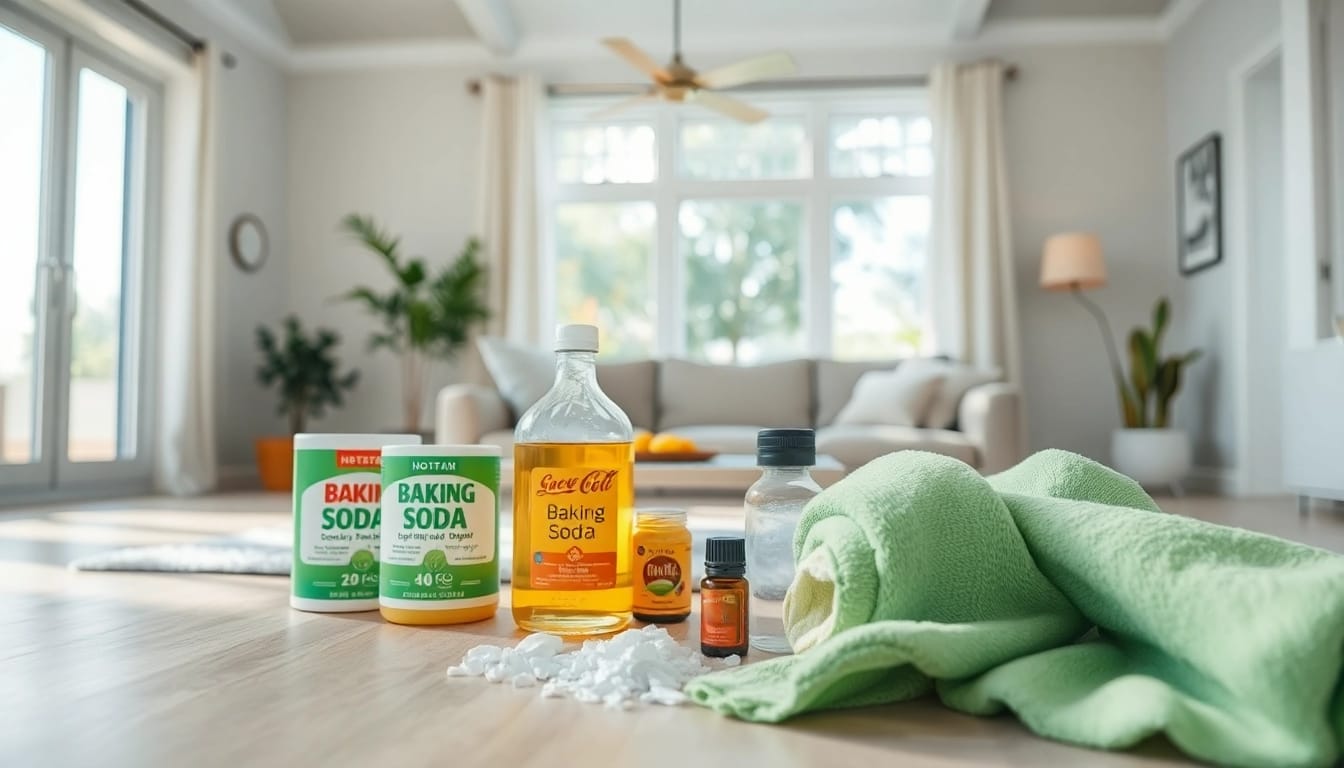
Baking soda is a powerful natural deodorizer. Simply sprinkle generous amounts on the affected areas—carpets, upholstery, or any spills. Leave it undisturbed for several hours or overnight, and then vacuum it up. The baking soda absorbs the fumes, transforming the air quality significantly.
Vinegar Solutions for Effective Smell Neutralization
Vinegar is another effective agent for neutralizing gasoline smells. Mix equal parts of water and white vinegar in a spray bottle; lightly mist the areas affected, especially on fabrics where the odor lingers. Allow it to air dry—this method not only neutralizes the smell but also disinfects the areas.
Essential Oils and Their Benefits
Essential oils such as lemon, lavender, or tea tree can help mask and neutralize unpleasant odors. Dilute a few drops in water and spritz the mixture in your home or add it to a diffuser. Not only do they provide a pleasant fragrance, but many essential oils possess antimicrobial properties that can contribute to a healthier environment.
Deep Cleaning Techniques
For persistent odors, deep cleaning becomes necessary. Address every potential source of the smell comprehensively.
Cleaning Carpets and Upholstery
Start with deep-cleaning carpets, as they are often significant odor reservoirs. Use a steam cleaner with a solution designed for odor removal, or opt for professional cleaning services if the smells are particularly stubborn. For upholstery, spot clean with vinegar or specialized cleaning agents designed to neutralize tough odors.
Addressing Hard Surfaces and Appliances
Gasoline can cling to hard surfaces, especially around the garage or utility areas. Thoroughly clean these surfaces with a degreaser or a mixture of vinegar and baking soda. Pay special attention to any appliances that may have interacted with gasoline. Ensure to wipe down all surfaces effectively; leaving behind residues can lead to lingering smells.
Cleaning Air Vents and Ducts
If the odor has circulated through your air system, it's essential to clean the air vents and ducts. Dust and debris can trap these odors. Hire professionals to clean your HVAC system thoroughly to remove any contaminants, ensuring better indoor air quality moving forward.
Preventing Future Smells
Once you've effectively eliminated gasoline odors, it’s crucial to implement preventative measures to avoid a recurrence.
Best Practices to Prevent Gasoline Spills
Store gasoline properly in approved containers and keep them sealed. Avoid filling gas containers in confined spaces to prevent vapor accumulation. Routinely check for leaks in outdoor equipment and machinery. Keep fuel away from your living spaces to mitigate risks.
Regular Home Maintenance Tips
Regular maintenance of your home includes the inspection of fuel-related systems. Ensure all equipment, such as generators or mowers, is functioning correctly and repaired when necessary. Regular cleaning of potential spill zones can also mitigate the likelihood of a problem.
When to Call for Professional Help
If gasoline odors persist despite your best efforts, consult with professionals. They can conduct a comprehensive inspection of your home to identify any hidden sources of fumes, eliminating guesswork and potential hazards.
FAQs
1. How long does gasoline smell last in a house?
The duration can vary depending on the spill size, ventilation, and cleaning efforts, ranging from days to weeks.
2. Can gasoline smell affect my health?
Yes, exposure to gasoline fumes can cause headaches, dizziness, and respiratory issues, especially with prolonged exposure.
3. What are the best cleaning agents for gasoline odors?
Baking soda and vinegar are natural and effective options for neutralizing gasoline smells around the house.
4. Is it safe to use air fresheners to mask gasoline odors?
While they provide temporary relief, air fresheners can exacerbate the underlying issue. It's better to eliminate the source properly first.
5. Should I evacuate if I smell gasoline in my house?
Yes, prioritize safety—leave the area, ventilate the space, and consider calling professionals if the odor persists.