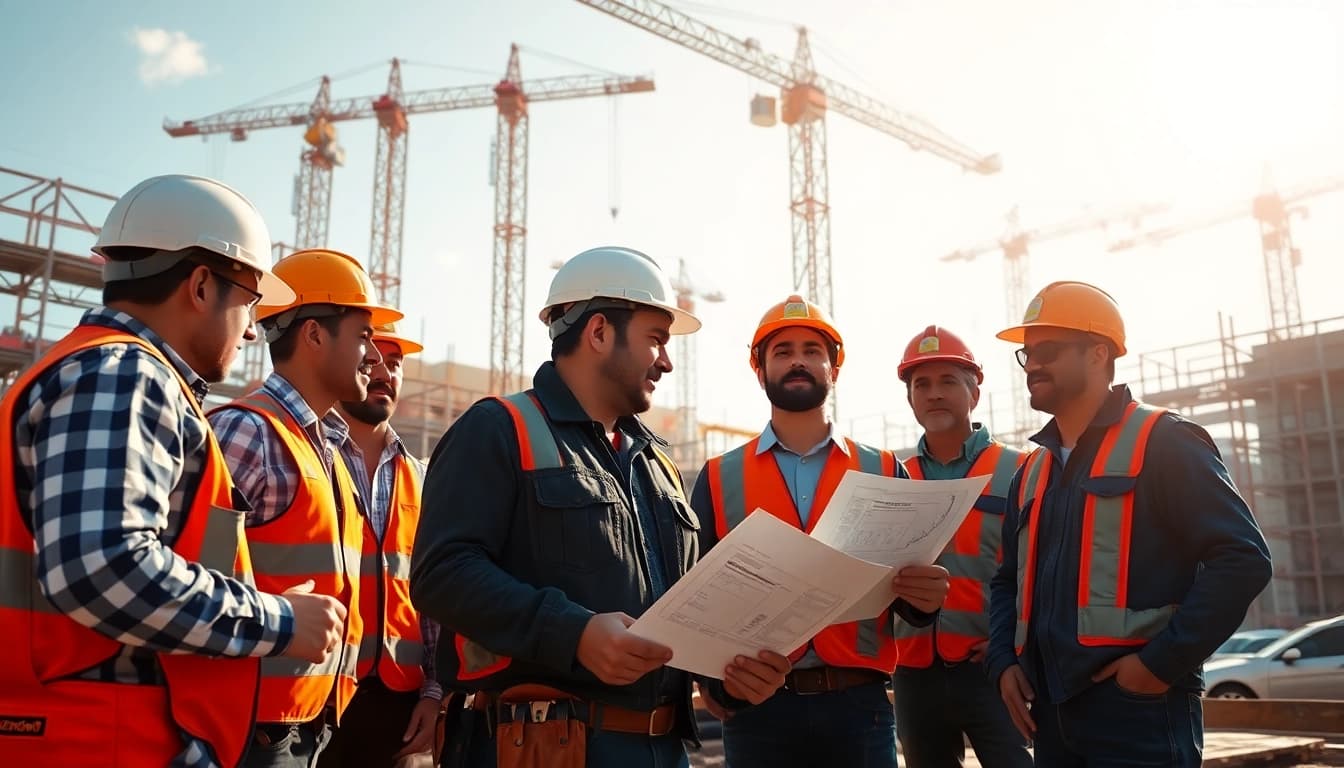
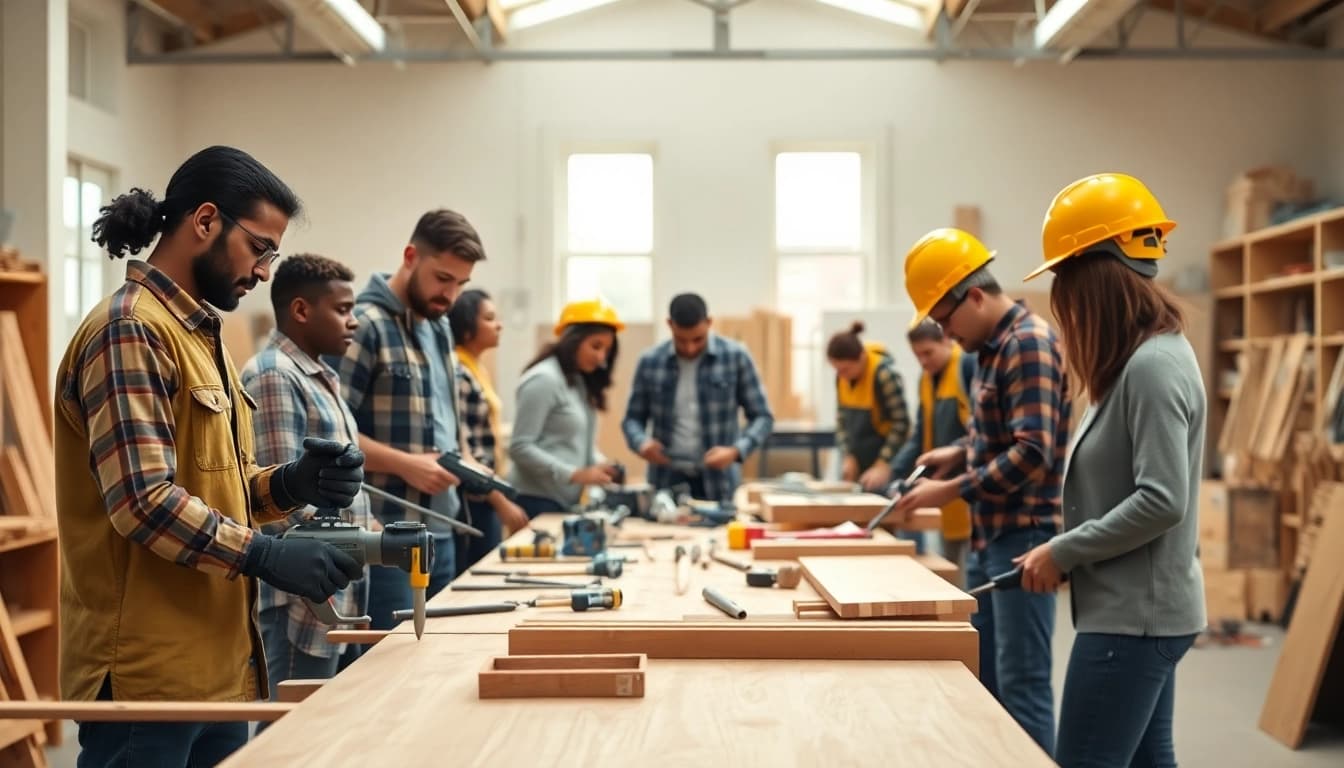
The Basics of Industrial Fabrication Edmonton
Understanding Industrial Fabrication
Industrial fabrication is a fundamental process that transforms raw materials into finished products, primarily through cutting, shaping, and assembling methods. This versatile sector serves various industries, including construction, manufacturing, and aerospace. In Edmonton, companies specializing in industrial fabrication edmonton play a crucial role in supporting the local economy by providing tailored solutions to meet specific client needs.
At its core, industrial fabrication combines engineering principles with advanced techniques to enhance productivity and efficiency. Fabricators employ a wide range of processes, including welding, machining, and assembly, ensuring that every component meets quality and performance standards.
Key Components of the Process
The industrial fabrication process can be broken down into several key components. These include:
- Design Phase: Utilizing CAD (Computer-Aided Design) software, fabricators create blueprints that detail specifications, materials, and assembly methods.
- Material Selection: Choosing the right materials is paramount. Fabricators consider factors such as strength, weight, and cost-effectiveness.
- Production Techniques: This includes cutting, bending, welding, and machining, where raw materials are transformed into usable products.
- Assembly: Final assembly brings together individual components into a complete system ready for delivery or installation.
Importance of Skilled Labor in Edmonton
Skilled labor is vital in the field of industrial fabrication. The complexity of tasks requires professionals who understand both the technical requirements and have the dexterity for precision work. Edmonton's workforce development programs are pivotal in nurturing this talent.
Moreover, local educational institutions partner with industries to create training modules that equip students with the latest skills needed for modern fabrication processes, ensuring a steady stream of qualified workers ready to tackle industry challenges.
Machinery and Tools in Industrial Fabrication Edmonton
Essential Equipment for Efficiency
Efficiency in industrial fabrication heavily depends on the machinery and tools used. The essential equipment includes:
- CNC Machines: These computer-controlled devices allow for precise cutting and milling of materials.
- Laser Cutters: Ideal for intricate designs, laser cutters provide clean, precise edges.
- Welding Equipment: Various welding methods, such as TIG and MIG, are used to join materials effectively.
- Press Brakes: Used to bend sheet metal with precision.
- Robotic Arms: Designed to enhance automation, improving speed and consistency on the production line.
Innovative Technology Trends
The field of industrial fabrication is in constant evolution, driven by technological advancements. Key trends include:
- 3D Printing: Revolutionizing prototyping and production, 3D printing allows for rapid design iteration and customization.
- IoT Integration: Smart machinery connects to the internet, enabling real-time monitoring and predictive maintenance.
- Augmented Reality (AR): AR assists technicians in assembly and maintenance by overlaying digital instructions on physical equipment.
Maintenance Practices to Improve Lifespan
Maintaining machinery in optimal condition is crucial for any manufacturing plant. Best practices include:
- Regular Inspections: Frequent checks to identify wear or malfunction can prevent costly downtime.
- Preventive Maintenance: Scheduled maintenance according to manufacturer's guidelines extends equipment life.
- Training Operators: Well-trained staff can recognize early signs of equipment deterioration, addressing issues before they escalate.
Quality Control in Industrial Fabrication Edmonton
Challenges in Maintaining Standards
Ensuring high-quality output during the fabrication process presents several challenges for businesses in Edmonton. These can stem from material inconsistencies, human errors, or equipment malfunctions. Additionally, the increasing demand for customization adds complexity to maintaining uniformity across products.
Best Practices for Quality Assurance
Implementing a robust quality assurance framework is essential for mitigating risks. Effective strategies include:
- Standard Operating Procedures (SOPs): Clear documentation of processes minimizes variations and ensures consistency.
- Training and Development: Regular training programs ensure all employees are versed in quality control metrics and practices.
- Feedback Systems: Establishing mechanisms for gathering feedback helps identify areas for improvement, creating a culture of continuous enhancement.
Case Studies of Successful Quality Strategies
Various industries have successfully implemented quality control strategies. For instance, a fabrication company in Edmonton improved their scrap rate by 15% after establishing a dedicated quality assurance team focused on real-time inspections throughout the production process. This not only reduced costs but also significantly enhanced client satisfaction.
Cost Management in Industrial Fabrication Edmonton
Estimating Project Budgets
Accurate budget estimation is crucial for successful project management. This involves analyzing material costs, labor, overhead, and any additional expenses associated with fabrication. By employing historical data and modern project management software, businesses can develop realistic budgets that accommodate unexpected variations.
Reducing Waste to Save Costs
Waste reduction directly correlates with cost savings in manufacturing. Implementing lean manufacturing principles allows firms to streamline operations by eliminating non-value-adding activities, thus minimizing scrap and inefficiencies.
Financial Planning for Projects
Strong financial planning serves as the backbone of any successful fabrication project. This includes setting aside contingency funds, monitoring cash flows closely, and employing effective resource allocation methods to ensure that funds are used optimally.
Future Trends in Industrial Fabrication Edmonton
Emerging Technologies to Watch
As industrial fabrication evolves, several emerging technologies are set to shift the landscape. These include:
- Artificial Intelligence (AI): AI can enhance decision-making processes by analyzing vast amounts of data for predictive modeling.
- Blockchain for Supply Chains: This can enhance transparency and traceability in the procurement of materials, improving vendor relationships.
- Advanced Robotics: More sophisticated robotics will facilitate higher-speed and higher-precision manufacturing.
The Shift Towards Automation
The move towards increased automation is driven by the need for efficiency and cost-effectiveness. Automation can reduce labor costs and lead to higher output levels, making it a critical component of competitive industrial strategies.
Skills Required for the Evolving Industry
As technology advances, the skill set required for labor in industrial fabrication also evolves. Workers will need to be adept in:
- Data Analytics: Understanding and utilizing data will be key for optimizing production processes.
- Technological Proficiency: Familiarity with software and machinery used in modern fabrication is essential.
- Problem-Solving Abilities: The ability to troubleshoot and innovate will help organizations remain competitive.
FAQs about Industrial Fabrication Edmonton
What industries benefit from industrial fabrication?
Industries such as construction, automotive, aerospace, and manufacturing benefit significantly from industrial fabrication services.
How does industrial fabrication impact the local economy?
Industrial fabrication creates jobs and stimulates growth by providing essential services and goods, contributing to the local economy positively.
What materials are commonly used in industrial fabrication?
Common materials include metals like steel and aluminum, plastics, composites, and wood, depending on project requirements.
How can businesses ensure quality in fabrication?
Implementing strict quality control measures, regular training, and customer feedback systems can enhance product quality in fabrication.
What is the future of industrial fabrication?
The future includes increased automation, integration of AI, and sustainable practices aimed at reducing waste and enhancing efficiency.