
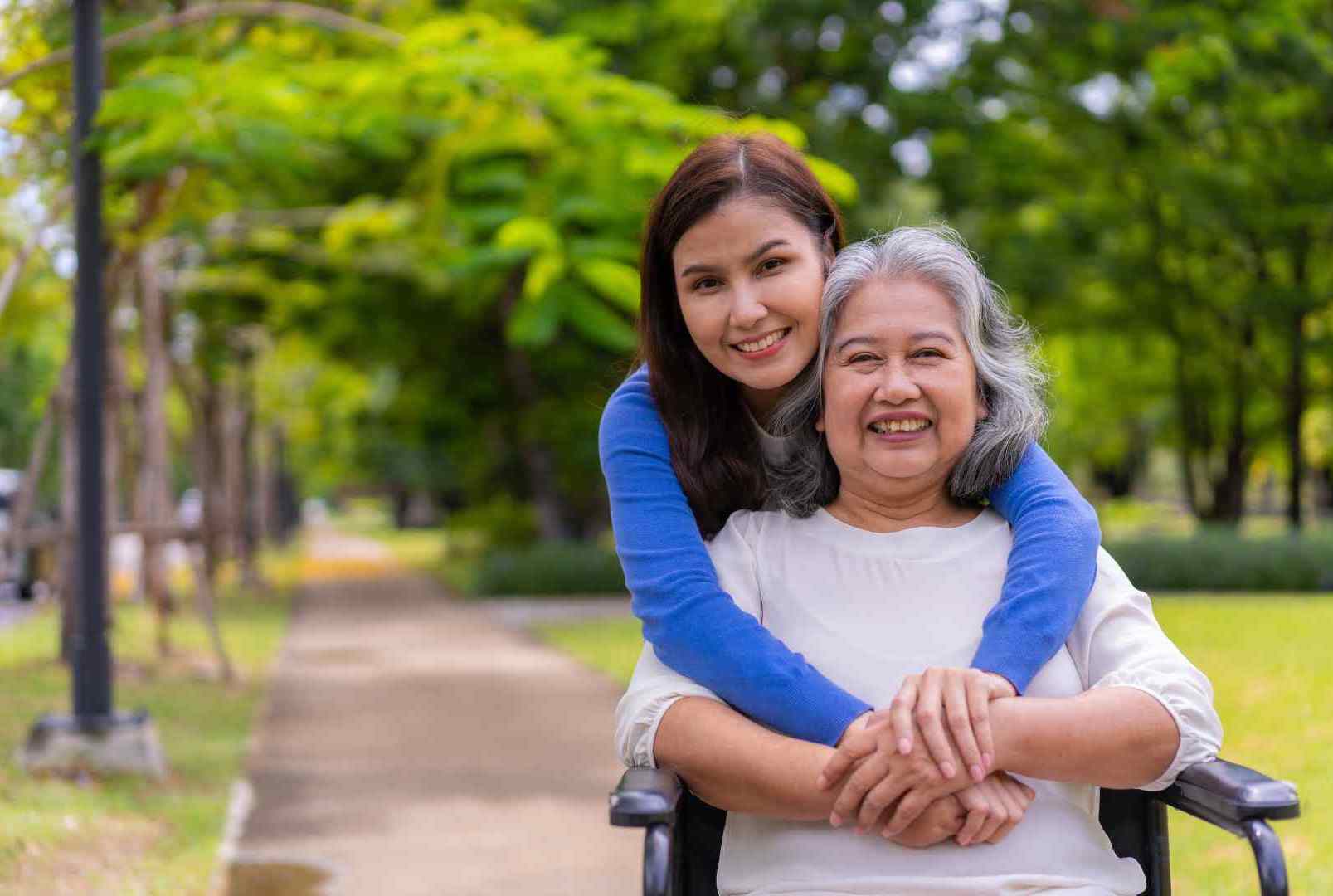
Hiring an elderly care maid for the first time can feel overwhelming. You want someone trustworthy, experienced, and compassionate enough to care for your loved one — yet the process involves screening, interviewing, and setting expectations clearly. This guide Elderly care maid will help first-time employers understand the essential steps to make the right hiring decision and ensure a smooth caregiving journey.
1. Understand Your Elderly Care Needs
Before hiring, evaluate your senior’s needs:
Care CategoryExamplesDaily Living SupportBathing, grooming, dressing, toiletingHealth-Related TasksMedication reminders, mobility supportHousehold TasksMeals, laundry, cleaningCompanionshipConversation, emotional supportSpecial NeedsDementia/Alzheimer’s, stroke recovery, disabilities
Tip: Write a list of must-have duties so the maid’s role is clear.
2. Choose the Right Hiring Channel
You can hire through:
- Maid agencies (recommended for first-timers)
- Referral from trusted contacts
- Online caregiving platforms
- Direct hiring from overseas (if allowed by your country’s rules)
Agency benefits: background checks, training, replacement support, paperwork assistance.
Pro Tip: Choose a licensed agency specializing in elderly care maids for safer, better matches.
3. Review Qualifications & Experience
Look for maids with:
- Experience caring for seniors
- Training in elderly care or first aid
- Experience with wheelchairs, lifting & mobility support
- Good communication skills
- Patience, empathy, and positive attitude
Bonus points if they have worked with:
- Stroke patients
- Dementia patients
- Bed-ridden seniors
4. Conduct a Thorough Interview
Ask questions to assess:
Skills & Experience
- “Have you cared for elderly before? What duties did you handle?”
- “Are you comfortable assisting with bathing or diapers?”
Attitude & Personality
- “How do you handle seniors who refuse help?”
- “What motivates you in caregiving work?”
Emergency Response
- “What would you do if the elderly suddenly felt dizzy or fell?”
5. Set Expectations Clearly
Discuss:
- Daily duties & routines
- Working hours & rest days
- Household rules & privacy policies
- Handling emergencies
- Communication preferences
Create a written job scope and schedule to avoid misunderstandings.
6. Prepare Your Home & Elderly
- Arrange a comfortable living space for the maid
- Prepare senior emotionally for new helper
- Share medical information, routines, medication schedule
- Provide orientation during the first week
Tip: Start slowly — allow the maid and senior to build trust gradually.
7. Monitor & Support the Caregiver
- Check in regularly and give feedback
- Address concerns early with kindness
- Provide proper rest time & respect her well-being
A supported maid performs better and delivers more compassionate care.
Final Thoughts
Hiring your first elderly care maid is a meaningful step toward improving your loved one’s comfort and quality of life. With the right process — from assessment to onboarding — you can ensure a safe, happy, and smooth caregiving experience for both your senior and the helper.