
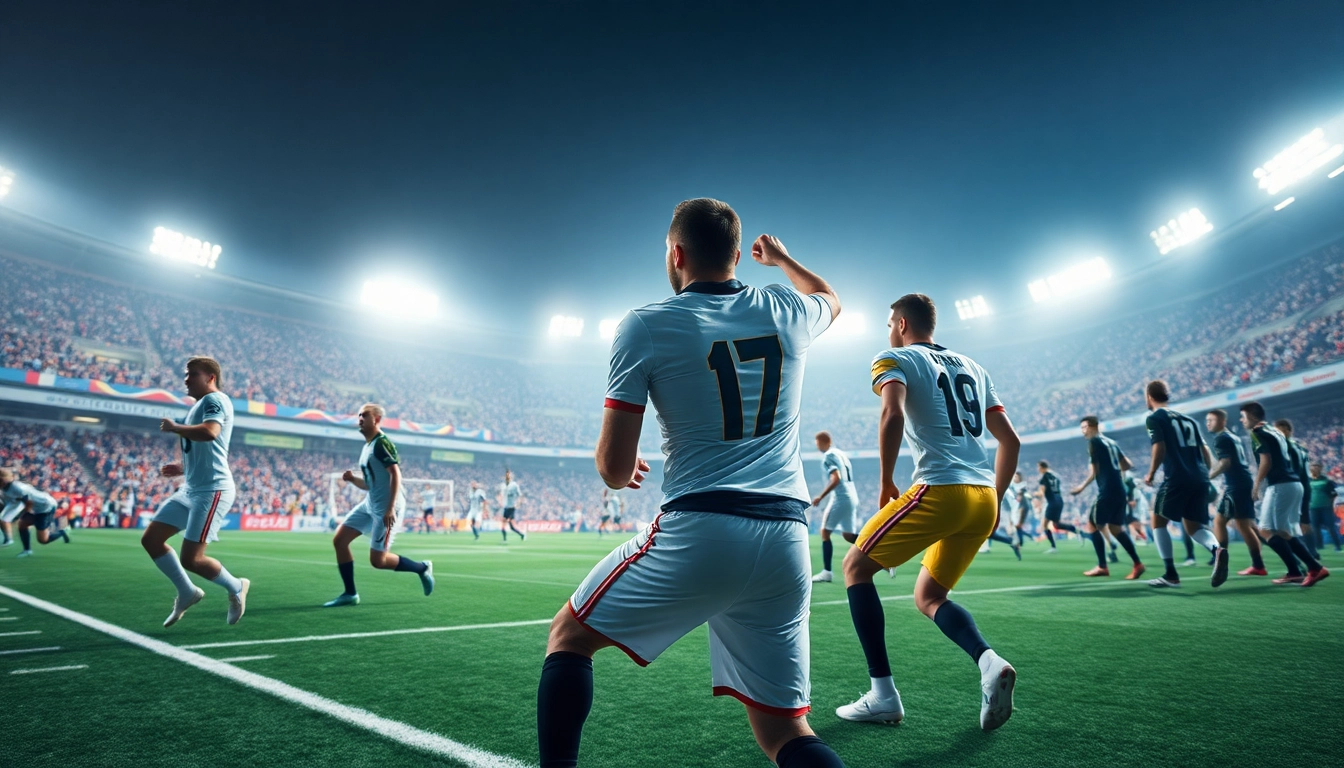
Understanding the Importance of Strategic Sports Play
In the high-stakes world of sports, the difference between victory and defeat often hinges on the strategies implemented by athletes and teams. Whether you’re an aspiring player, a seasoned professional, or a coach molding future talent, delineating effective strategies is paramount. Strategic sports play not only enhances performance but also fosters a deeper understanding of the game. Athletes are encouraged to engage in strategic thinking and decision-making, resulting in a holistic approach to their training and competitive efforts. For valuable insights into elevating your performance, consider visiting https://mm88bc.com/, where strategies come to life.
Components of a Winning Strategy
A winning strategy is multi-faceted, encompassing preparation, execution, and adaptation. Here are the crucial components that contribute to a solid strategic framework:
- Game Analysis: Understanding the game environment and each opponent’s strengths and weaknesses is crucial. Effective analysis can dictate the strategies to deploy during competition.
- Positioning: Proper positioning in sports can create competitive advantages. Athletes should be aware of their own and their opponents' positions on the field or court.
- Dynamic Decision-Making: Athletes need to develop the ability to make split-second decisions during matches. The best strategies provide frameworks for such decisions.
- Feedback Mechanisms: Constructive feedback from coaches and peers helps in refining strategies and improving overall performance.
By Analyzing Competitor Moves
Competitor analysis is vital to outperforming adversaries. Athletes should observe their competitors' movements, strategies, and tendencies. This can be achieved through:
- Video Analysis: Reviewing game footage helps identify patterns and reveals opponents' strategies while highlighting areas for improvement in personal play.
- Trend Spotting: Understanding trends in opponents' performances over time allows for better preparation and counter-strategy development.
- Direct Engagement: Friendly matches with competitors can provide insights into their playing style, enabling personalized strategy adjustment.
Setting Achievable Goals
Goal setting is an art that plays a pivotal role in enhancing sports performance. By defining clear, measurable, and achievable goals, athletes can track their progress and maintain motivation. Here are ways to implement effective goal-setting strategies:
- SMART Goals: Ensure that your goals are Specific, Measurable, Achievable, Relevant, and Time-bound to maintain focus and clarity.
- Short-term vs. Long-term Goals: Establish a balance between short-term (daily, weekly) and long-term (seasonal or career) goals. Both are essential for sustained growth.
- Regular Review and Adjustment: Frequent reassessment of goals helps accommodate changing conditions and personal growth.
Training Regimens for Peak Performance
Physical training is the backbone of any successful athlete's preparation regimen. It not only enhances endurance and strength but also conditions the athlete’s body and mind for competition. Here are the essential components of an effective training regimen:
Developing a Personalized Workout Plan
Each athlete possesses unique strengths, weaknesses, and goals. A personalized workout plan is vital for addressing individual needs. Key components include:
- Fitness Assessment: Begin with a comprehensive assessment of your current fitness level, strengths, and areas in need of improvement.
- Skill Development: Incorporate drills and exercises that enhance specific skills pertinent to your sport, ensuring a well-rounded development.
- Progressive Overload: Gradually increasing the intensity or volume of workouts ensures continued improvement and adaptation of the body.
Nutrition Essentials for Athletes
Nutrition plays a crucial role in athletic performance. A well-balanced diet helps maintain energy levels, aids recovery, and supports overall health. Here are some nutrition essentials for optimal performance:
- Hydration: Keeping hydrated is vital for performance. Dehydration can significantly impair physical capabilities and cognitive function.
- Macronutrients: Balance carbohydrates, proteins, and fats in your diet. Carbohydrates provide energy, proteins aid in recovery, and fats are essential for hormonal balance.
- Meal Timing: Eating at the right times, particularly around training and competitions, can maximize energy availability and recovery.
Incorporating Mental Training Techniques
Mental resilience and clarity are just as critical as physical training. By incorporating mental training techniques, athletes can improve focus, motivation, and emotional control under pressure. Consider implementing the following practices:
- Visualization: Regularly practice visualization techniques to enhance designed outcomes. Picture yourself achieving your goals and performing at peak levels.
- Meditation and Mindfulness: Practicing mindfulness improves concentration and helps in managing anxiety during competitions.
- Positive Affirmations: Utilize positive self-talk to boost confidence and reinforce a winning mindset.
Leveraging Technology in Sports
In today's technological age, sports innovations have transformed training and performance evaluation. Athletes and coaches can no longer afford to disregard technological advancements. Here’s a breakdown of how technology can be leveraged:
Data Analytics for Performance Insights
Data analytics provides actionable insights that can greatly enhance an athlete's performance. By leveraging data, teams and individuals can:
- Performance Tracking: Analyze individual performance metrics over time to identify trends and potential areas for improvement.
- Injury Prevention: Utilize wearable technology to monitor physical load data, helping coaches manage training intensity to avoid injuries.
- Game Strategy Adaptation: Use collected data to inform game strategies, counter tactics, and optimize play styles in real-time during matches.
Wearable Technology and Its Impact
Wearable devices, such as smartwatches and fitness trackers, have become integral to athletic training. The functionalities of wearables include:
- Real-Time Monitoring: Wearables can provide real-time data on heart rate, sleep quality, activity levels, and more, helping athletes adjust their training regimens effectively.
- Recovery Tracking: Assessing recovery metrics is crucial; wearables help determine when an athlete is ready to train again.
- Communication and Collaboration: Facilitating communication between athletes and coaches, wearables create a more cohesive training environment.
Staying Updated with Sports Innovations
In a rapidly evolving field, it’s essential for athletes and coaches to stay informed about new technologies and methodologies. Engaging with recent advancements can give a competitive edge. Here are some practical tips:
- Continual Education: Attend workshops, webinars, and conferences dedicated to sports science and technology.
- Networking: Connect with peers and industry leaders to share insights, experiences, and recommendations regarding new technologies.
- Trial and Feedback: Experiment with new technology in your training regimen and provide feedback on what works best for you or your team.
Community Support and Engagement in Sports
The sports community is a powerful support system that can significantly impact an athlete's performance journey. Community engagement fosters a sense of belonging and motivation, essential for continuous improvement. Here’s how community plays a role:
The Role of Coaches and Mentors
Coaches and mentors are essential pillars of support in an athlete's career. Their insights and guidance can shape performance immensely:
- Guidance and Instruction: Coaches provide valuable information on strategic play, technique, and skill development.
- Mental Support: Mentors can emotionally bolster athletes during challenging periods, offering reassurance and motivation.
- Networking Opportunities: Through their connections, coaches can open doors to competitions, scholarships, and career opportunities.
Creating a Positive Team Environment
A cohesive team is greater than the sum of its parts. Creating a positive environment can boost morale and performance. Important factors include:
- Open Communication: Encourage an atmosphere where team members can express concerns and provide feedback without fear.
- Celebrate Success: Acknowledge both individual and team accomplishments to foster unity and motivation.
- Team-Building Activities: Engaging in activities outside of competitive environments can strengthen interpersonal relationships and team dynamics.
Building Relationships with Fans
Eyeballs and enthusiasm are essential to the success of sports entities. Establishing and nurturing relationships with fans can create a passionate support base:
- Social Media Engagement: Utilize platforms to connect with fans, share behind-the-scenes content, and foster a community spirit.
- Community Events: Engage in local events, encouraging fans to meet players, which ultimately builds loyalty and connection.
- Transparency and Authenticity: Being genuine in communications resonates with fans, creating long-lasting relationships.
Reflecting on Performance: Metrics and Growth
Reflection is an integral part of an athlete’s growth and development. By analyzing past performances, athletes can implement changes and set new goals. Here’s how to effectively evaluate performance:
Tracking Your Progress Effectively
Documenting your training routines and accomplishments helps in assessing progress. Tips for effective tracking include:
- Journaling: Maintain a training journal outlining daily workouts, feelings, successes, and areas needing improvement.
- Performance Metrics: Utilize objective metrics, such as pace, distance, or games won, to gauge effectiveness.
- Regular Check-Ins: Set predetermined intervals (weekly or monthly) to review progress against established goals.
Learning from Wins and Losses
Each experience contributes to an athlete’s life lessons. Understanding how to learn from both successes and failures is vital:
- Post-Game Analysis: After each game, dissect performance critically, regardless of the outcome, identifying what worked and what didn’t.
- Mentorship Discussions: Engage with coaches and mentors to gain different perspectives on performances to enhance learning.
- Emotional Processing: Acknowledge emotions surrounding victories and defeats, ensuring they are processed healthily.
Setting Future Performance Benchmarks
Moving forward, set benchmarks that will guide future training and competition efforts. Effective strategies include:
- Regularly Update Goals: As you progress, refresh goals to ensure they remain challenging yet attainable.
- Holistic Assessment: Incorporate technical performance, physical readiness, and mental state into future benchmarks.
- Feedback Integration: Use the insights collected from mentors, teammates, and evaluations to set realistic and informed benchmarks.