Understanding the Essence of Interior Design Dubai
Interior design is a dynamic field that not only focuses on the aesthetic appeal of a space but also its functionality and livability. In Dubai, one of the most vibrant cities in the world, the art of interior design plays a crucial role. With a unique blend of cultures, lifestyles, and architectural styles, interior design dubai emerges as a reflection of this diversity, leading to innovative, luxurious, and functional designs.
What Defines Interior Design in Dubai?
In Dubai, interior design transcends mere decoration. It combines art and science, emphasizing how individuals interact with their environment. Factors such as cultural influences, climate, and the use of space are crucial in defining the local interior design style. Designers focus on creating environments that enhance lifestyle while showcasing contemporary luxury.
A distinctive feature of Dubai's interior design is the emphasis on creating fluid spaces that blur the line between indoor and outdoor living. Large windows, terraces, and the integration of natural elements are common, aiming to capitalize on the city's picturesque views and sunny climate. The rich Middle Eastern culture also finds its echo in design elements, often reflected in patterns, textures, and colors, providing a tapestry of sensory experiences.
Key Influences Shaping Design Trends
Several influences shape the trends in interior design Dubai. Globalization plays a prominent role, bringing in various styles from around the world. Traditional Islamic architecture meets sleek modern lines, creating a unique fusion that is both functional and visually captivating.
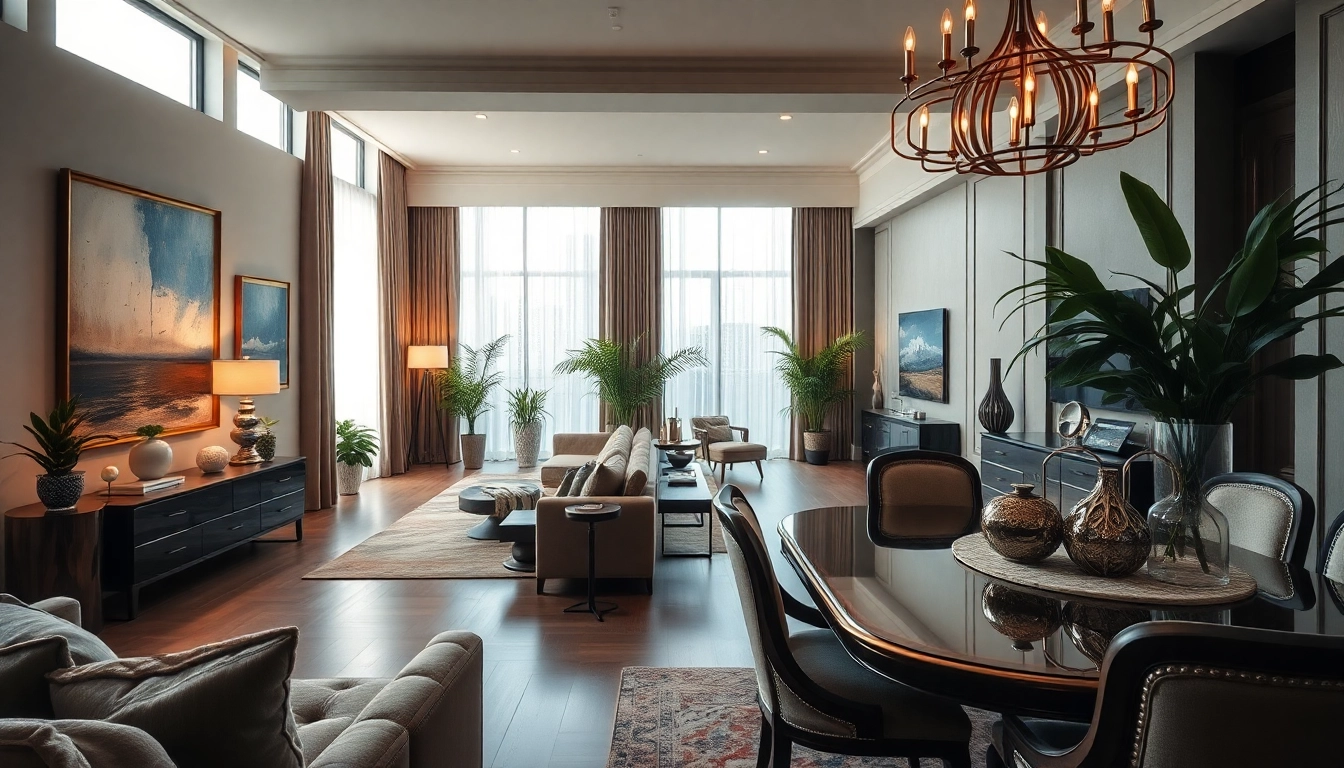
Moreover, the luxury market significantly impacts design trends. With mega-developments and high-net-worth individuals, there is a continuous push for opulence in interior spaces. Designers are now focusing on bespoke, high-quality materials and craftsmanship to cater to this demand, integrating technology for smart solutions. Sustainable practices are becoming increasingly important, urging designers to use eco-friendly materials and energy-efficient solutions, aligning with global sustainability trends.
Common Myths About Interior Design in Dubai
Despite the flourishing nature of interior design, several myths persist that can confuse potential clients. A prevalent notion is that interior design is a luxury reserved only for the wealthy. However, quality design can be adapted to suit various budgets, with many designers offering services that can add considerable value without exorbitant costs.
Another misconception is that interior design is solely about aesthetics. While looks are essential, functionality is equally crucial—designers focus on usability and comfort. Lastly, many believe they can't make significant changes without a completely new renovation. In reality, even small updates can dramatically enhance a space's appeal and functionality.
Finding Your Unique Style in Interior Design Dubai
Embracing your individual style is fundamental in achieving a personalized space that resonates with you. This process involves reflection, inspiration, and the incorporation of elements that evoke emotion and connection.
Identifying Your Design Preferences
Identifying your design preferences requires self-reflection. Consider your lifestyle, the functions your space needs to fulfill, and your personal tastes. Collect images, colors, and patterns that speak to you, creating a mood board to visualize your ideas. Engaging with design blogs, magazines, and social media platforms can further inspire your style choices.
How to Blend Traditional and Modern Styles
Blending traditional and modern styles can create an inviting and unique atmosphere in your home. To start, select a base style—either modern or traditional—and integrate elements of the other. For instance, you can combine minimalist furniture with traditional textiles or art pieces. Balance is key; aim for coherence in textures and colors to ensure the space feels harmonious. Accessories, such as lighting and art, can serve as perfect openers to transition between styles seamlessly.
Choosing a Color Palette That Speaks to You
A color palette plays an influential role in interior design by setting the mood and defining the space. In Dubai, bold colors may represent vibrancy and energy, while soft pastels can evoke calmness. Begin by selecting three to five colors that resonate with you. Consider the psychology of colors; for example, blue promotes tranquility, while yellow represents happiness. Use color swatches to visualize how these colors work together in your space. Remember, incorporating textures and patterns can enhance the visual interest of your chosen palette.
Steps to Cultivate a Functional Interior Design Dubai
Creating a functional interior involves strategic planning—ensuring that each space serves its intended purpose while remaining comfortable and aesthetically pleasing.
Space Planning and Layout Considerations
Effective space planning is the backbone of any successful design project. Assess the dimensions of your space and the flow of movement within it. Create zones for different activities, such as relaxing, dining, or working. Utilize furniture layout to enhance interaction and accessibility—avoid overcrowding to maintain a sense of openness. Virtual design tools can aid in visualizing and experimenting with different layouts before finalizing your design.
Selecting the Right Furnishings and Accessories
Choosing the right furnishings and accessories is paramount to achieving your desired look and functionality. This process starts with identifying your needs. For instance, if you have children or pets, selecting durable fabrics and materials is wise. Moreover, the scale of furniture should correspond to the space; oversized pieces can overwhelm a small room, while too-small items can feel lost in a larger area. Accessorizing with art, rugs, and lighting can enhance the character of your space, adding depth and personality.
Incorporating Technology into Your Design
As technology advances, integrating smart solutions into your design has become essential. Home automation systems allow you to control lighting, climate, security, and entertainment from a single device, enhancing convenience and efficiency. When planning your interior, consider how technology can improve functionality without compromising aesthetics. Choose sleek devices that blend seamlessly with your design, ensuring that technology enhances rather than detracts from your space.
The Role of Professional Designers in Interior Design Dubai
While many homeowners may wish to undertake a design project on their own, the expertise of professional designers can add immense value to your project through experience, creativity, and specialized knowledge.
When to Hire an Interior Designer
Understanding when to hire an interior designer can save you time, stress, and potentially money. Consider enlisting a professional for larger projects where structural changes are involved or if you're unsure of how to proceed with your vision. Hiring a designer can also be beneficial if you desire specialized knowledge in areas like color theory, spatial arrangement, or sourcing unique materials. A designer’s perspective can lead to a more cohesive and polished result.
Understanding Designer Fees and Services
Designer fees can vary significantly based on location, experience, and project scope. Understanding the common pricing models—hourly rates, flat fees, or a percentage of the total project cost—will aid in budgeting. Some designers offer comprehensive packages that cover consultation, design, and project management while others focus on individual aspects. Ensure you clarify the services included to avoid unexpected costs. Remember, investing in a professional can often lead to savings by preventing costly mistakes.
Choosing the Right Designer for Your Vision
Selecting the right designer is crucial; their style and expertise should align with your vision. Start by reviewing their portfolio to understand their past work and how it resonates with your preferences. Conduct interviews to gauge their communication skills, professionalism, and capacity to understand your needs. Trust your instincts; a good designer should listen to your ideas and be eager to collaborate, rather than impose their vision unilaterally.
Frequently Asked Questions About Interior Design Dubai
What is the average cost of interior design in Dubai?
The average cost varies significantly based on project size and complexity. For small apartments, it ranges from AED 10,000 to AED 25,000, while larger homes can cost up to AED 250,000 or more.
How can I find a reliable interior designer?
To find a reliable interior designer, ask for recommendations, check online reviews and portfolios, and set up interviews with potential candidates to assess compatibility with your vision and style.
Is it worth investing in professional interior design?
Investing in professional interior design can yield long-term benefits, enhancing both the functionality and aesthetic appeal of your space while potentially increasing property value.
What are trending styles in Dubai's interior design scene?
Current trends emphasize sustainable design, blending contemporary minimalism with rich Middle Eastern elements, such as geometric patterns and luxurious textiles, creating vibrant aesthetics.
How long does an interior design project typically take?
The timeline for an interior design project varies based on scope and complexity. Smaller projects may take a few weeks, while larger renovations can extend to several months or even longer.