Understanding the Basics of Bathroom and Kitchen Remodeling
Defining Key Concepts in Remodeling
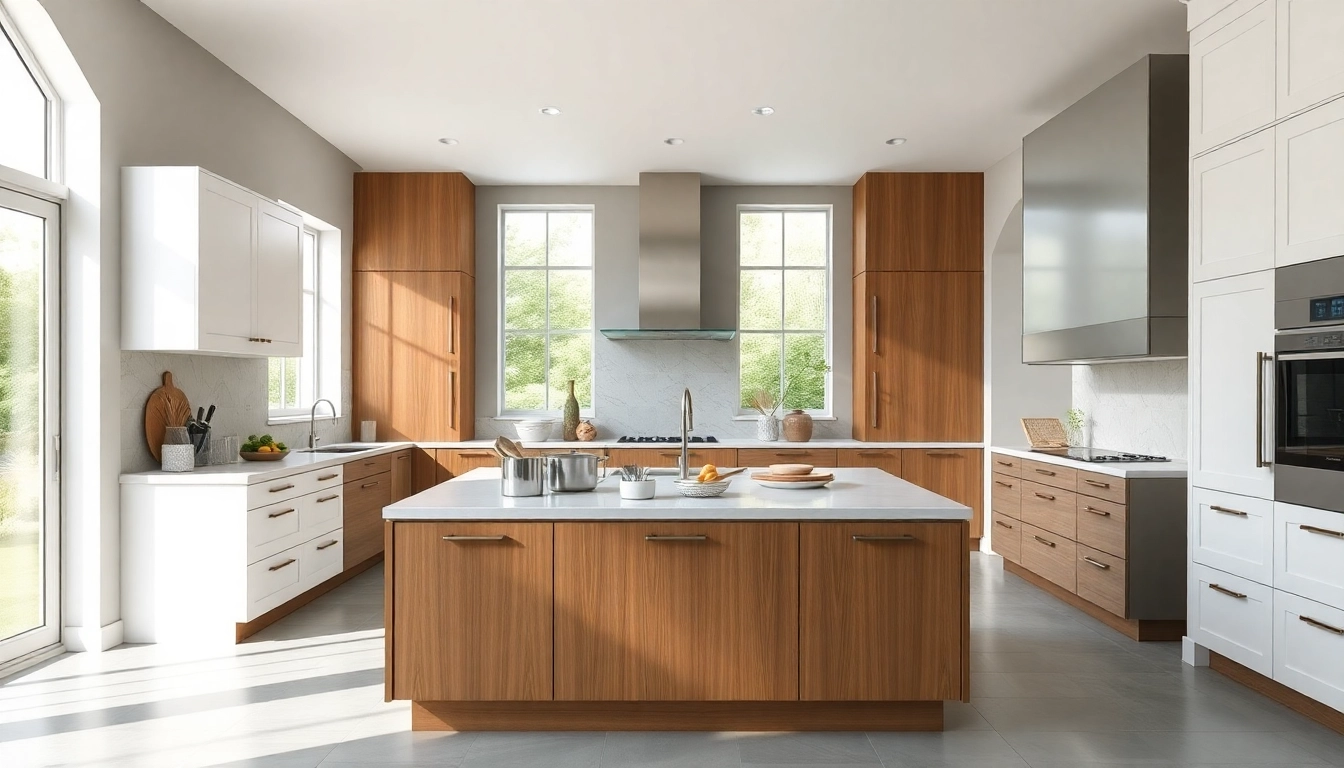
When approaching a renovation project, it is essential to understand what the terms "remodeling" and "renovation" encompass. Remodeling refers to changing the structure or style of a space, while renovation typically involves restoring a space to its former state. In the context of Bathroom and kitchen remodeling, we are often looking at extensive alterations that encompass updated interiors, improved functionality, and aesthetic enhancements. Understanding these concepts allows homeowners to define their goals more clearly and plan their projects accordingly.
Benefits of Bathroom and Kitchen Remodeling
There are numerous advantages to remodeling your bathroom or kitchen. These include:
- Increased Value: Homes with modernized kitchens and bathrooms often see a considerable increase in market value, making them more appealing to potential buyers.
- Improved Functionality: Remodeling allows for the creation of more functional layouts, catering to the specific needs of your household.
- Enhanced Aesthetic Appeal: A well-designed space can uplift the overall look of a home and create a more enjoyable living environment.
- Energy Efficiency: Modern appliances and fixtures often consume less energy and water, leading to reduced utility bills and a smaller environmental footprint.
Common Mistakes to Avoid
While remodeling can yield significant benefits, there are pitfalls to avoid:
- Overlooking Planning: Skipping the planning phase can lead to unforeseen complications and costs during construction.
- Forgetting Functionality: A stunning design that doesn't fit your lifestyle can result in a space that is less enjoyable to use.
- Underestimating the Budget: Failing to account for all costs can derail your project and lead to budget overruns.
- Ignoring Professional Help: Attempting complex projects without professional assistance can negatively impact quality and safety.
Planning Your Bathroom and Kitchen Remodeling Project
Setting a Realistic Budget
The first step in any remodeling project is establishing a budget that aligns with your goals. Consider the following steps to set a realistic budget:
- Research Costs: Familiarize yourself with typical costs associated with bathroom and kitchen remodels in your area, including materials and labor.
- Prioritize Features: Decide which elements are non-negotiable and which can be adjusted if costs exceed expectations.
- Include Contingency Funds: Setting aside 10-20% of your budget for unexpected expenses can help manage surprises.
Choosing the Right Styles and Materials
The choice of materials and styles will heavily influence the overall aesthetics and functionality of your remodeled space. Here are some tips:
- Research Trends: Look into current trends in bathroom and kitchen design, but also consider timeless styles that won’t quickly go out of fashion.
- Select Durable Materials: Opt for materials that withstand wear and are easy to maintain, particularly in high-use areas like bathrooms and kitchens.
- Consider Color Schemes: Choose a color palette that reflects your taste while promoting a sense of space and lightness.
Creating a Functional Layout
The layout of a bathroom or kitchen plays a crucial role in usability. Factors to consider include:
- Traffic Flow: Ensure the layout promotes an efficient flow, reducing congestion in high-traffic areas.
- Zoning for Activities: Designate specific areas for cooking, cleaning, and socializing in kitchens, or bathing, grooming, and storage in bathrooms.
- Dimensioning Carefully: Ensure that elements like cabinets, islands, and appliances are positioned with adequate spacing for comfort and accessibility.
Executing Your Bathroom and Kitchen Remodeling
Hiring Professionals vs. DIY Approaches
The decision to hire professionals or take a DIY approach largely depends on your skill set and the complexity of the project:
- Professionals: Hiring designers, contractors, or specialists can ensure high-quality work and save time, particularly for complex projects.
- DIY Option: For simpler renovations, a DIY approach can save money and provide personal satisfaction, but be realistic about your skills and the time required.
Essential Tools and Techniques for Remodeling
For those opting to tackle remodeling themselves, having the right tools is crucial:
- Basic Tools: Invest in a quality set of hand tools, power tools, and safety equipment.
- Measuring Tape and Levels: Accurate measurements are vital in ensuring everything fits correctly.
- Online Tutorials: Utilize resources and online tutorials to familiarize yourself with techniques needed for specific tasks.
Project Management Tips for Homeowners
Effective project management will help keep your remodel on track:
- Develop a Timeline: Create a detailed schedule with clear deadlines for each phase of the project.
- Regular Communication: Maintain open lines of communication with contractors and suppliers to ensure everyone is aligned.
- Review Progress: Regularly assess project progress against your plan and budget to address any deviation quickly.
Innovative Trends in Bathroom and Kitchen Remodeling
Popular Designs and Features
Current trends in bathroom and kitchen remodeling feature designs that focus on functionality combined with aesthetic appeal. Some popular trends include:
- Open Concept Layouts: Merging kitchen and dining spaces to create a more social atmosphere.
- Minimalist Designs: Emphasizing clean lines and simplicity in cabinetry and fixtures.
- Luxurious Finishes: Incorporating high-end materials, such as quartz countertops and designer faucets.
Sustainable Practices in Remodeling Projects
As sustainability becomes increasingly important, many homeowners are seeking ways to incorporate eco-friendly practices into their renovations:
- Sustainable Materials: Selecting materials with a low environmental impact, such as reclaimed wood or recycled fixtures.
- Energy-Efficient Appliances: Upgrading to appliances that are energy certified can significantly reduce energy consumption.
- Water Conservation Fixtures: Implementing low-flow faucets and toilets helps conserve water.
Smart Home Integration Ideas
Technology is rapidly changing how we interact with our kitchens and bathrooms. Consider these smart home features:
- Smart Appliances: Investing in smart fridges, ovens, or dishwashers that can be controlled via your mobile device.
- Automated Lighting: Integrating LED lights with motion sensors or remote control options for the convenience of use.
- Smart Thermostats: Ensuring efficient heating and cooling in conjunction with your newly remodeled space.
Measuring Success Post-Remodeling
Evaluating Your Remodeling Outcomes
Once your remodeling project is complete, it is essential to evaluate the success of the renovation. Consider factors such as:
- Aesthetics: Does the new design meet your personal style and enhance the overall look of your home?
- Functionality: Are the changes meeting your needs and improving your daily activities?
- Budget Adherence: Did the project stay within the planned budget, or were there significant overruns?
Maintaining Your Renovated Space
Regular maintenance is vital in preserving your newly renovated areas:
- Routine Cleaning: Adopting a regular cleaning schedule will keep surfaces and fixtures looking their best.
- Prompt Repairs: Address any issues immediately to prevent minor problems from escalating into costly repairs.
- Updating Trends: Be open to small updates that can ensure your spaces remain trendy and functional over time.
Gathering Feedback for Future Projects
Post-remodeling, it can be beneficial to gather feedback to inform future projects:
- Solicit Input from Family: Understand how each family member is adapting to the new space and if their needs are met.
- Assess Satisfaction Levels: Evaluate your satisfaction with the outcome and what aspects you might want to change or add next time.
- Document Lessons Learned: Keeping a record of what worked and what did not can provide valuable insights for any future remodeling endeavors.