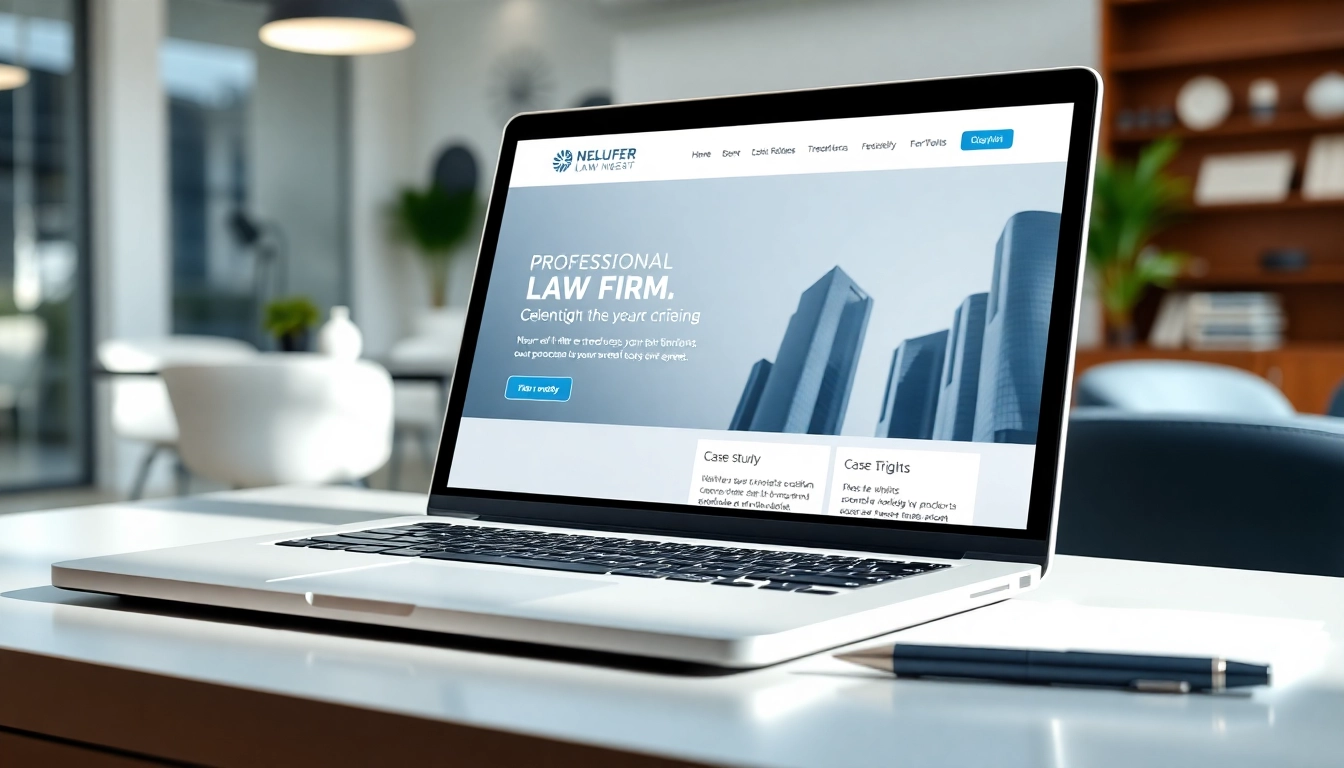
Understanding the Importance of Law Firm Website Design
In today’s digital landscape, an effective online presence is essential for law firms seeking to attract and retain clients. The website acts as the digital storefront, representing the firm’s brand, values, and expertise to a global audience. A well-designed website goes beyond aesthetics; it shapes the user experience, showcases the firm's capabilities, and ultimately influences the decision-making process of potential clients. Therefore, understanding the significance of law firm website design is crucial for success in a competitive market. For expert insights and resources on effective law firm website design, you can refer to https://www.lawfirmswebsitedesign.com.
Why Website Design Matters for Law Firms
Website design is critical for law firms as it serves as a first impression for potential clients. In an era where consumers largely rely on online research before making decisions, the design of the firm's website can significantly influence a visitor's perception of its credibility and professionalism. An intuitive and aesthetically pleasing design fosters trust and encourages visitors to explore the site further, ultimately leading to conversions. Moreover, a well-structured website enhances a firm’s visibility on search engines, allowing potential clients to easily discover their services.
Impact of Website Aesthetics on User Engagement
The aesthetics of a law firm website play a vital role in user engagement. Studies show that users form an opinion of a website within seconds based on visual appeal. Elements such as color scheme, layout, font choice, and images contribute to the overall perception of the firm. A site that reflects professionalism and attention to detail can significantly influence a visitor's likelihood of reaching out for legal assistance. Compelling visuals and cohesive branding resonate with the target audience, making it essential for law firms to invest in quality design practices that attract and retain potential clients.
Essential Elements of an Effective Law Firm Website
To create an effective law firm website, several key elements must be integrated:
- Clear Navigation: Simple and intuitive navigation allows users to find information easily, enhancing their overall experience.
- Responsive Design: With the increasing use of mobile devices, a responsive design ensures that the website functions well across various screen sizes.
- Quality Content: Engaging and informative content, including practice area descriptions and blog posts, helps to establish the firm's authority and attract organic traffic.
- Calls-to-Action (CTAs): Strategically placed CTAs guide users toward taking action, such as scheduling a consultation or signing up for a newsletter.
- Contact Information: The website should prominently display contact details to facilitate easy communication with potential clients.
- Testimonials and Case Studies: Real-life testimonials and case studies showcase the firm's success stories, building trust and credibility with visitors.
Key Features of a Successful Law Firm Website
Mobile Responsiveness and Its Importance
Mobile responsiveness is no longer optional; it is a necessity. With the majority of users accessing websites through smartphones, it is imperative that law firm websites are optimized for mobile use. A mobile-responsive design ensures that the site is easily navigable on smaller screens, providing users with a seamless experience. Google also prioritizes mobile-friendly websites in search results, making this feature essential not just for user experience, but also for search engine optimization (SEO).
SEO Strategies for Law Firm Website Visibility
Search Engine Optimization (SEO) is crucial for enhancing the visibility of a law firm website. By implementing SEO best practices, firms can increase organic traffic and rank higher on search engine results pages (SERPs). Key strategies include:
- Keyword Research: Identifying relevant keywords that potential clients use when searching for legal services helps in optimizing content effectively.
- On-Page Optimization: This includes optimizing title tags, meta descriptions, and header tags with targeted keywords to improve searchability.
- Quality Backlinks: Acquiring backlinks from reputable sources enhances the site’s authority and supports higher rankings.
- Local SEO: Ensuring the firm's local presence is optimized by claiming Google My Business listings and gathering client reviews can attract local clientele.
Content That Resonates with Potential Clients
High-quality, relevant content is a cornerstone of a successful law firm website. Content should address the questions and concerns of potential clients while showcasing the firm's expertise. Blog posts, articles, and resources that provide legal insights help to establish authority and trust. Additionally, utilizing formats such as videos, infographics, and e-books can make the content more engaging and accessible to a broader audience. Ensuring that content is regularly updated keeps it fresh and relevant in the eyes of both users and search engines.
Best Practices for Law Firm Website Development
Choosing the Right Platform for Your Website
The choice of platform for developing a law firm website is critical. Some popular platforms include WordPress, Wix, and Squarespace; each offers unique features catering to various needs. WordPress, for instance, is highly customizable and supports a wide range of plugins for added functionality, making it a popular choice among law firms. Moreover, the platform should be optimized for SEO and offer flexibility for future scalability as the firm grows.
Designing with User Experience in Mind
User experience (UX) is paramount in website design. A well-structured layout, fast loading times, and intuitive design elements contribute to a positive user experience. User testing and feedback can provide valuable insights into how visitors interact with the site, allowing for continuous improvement. Incorporating features such as a search function, clear categorization of content, and a clean, clutter-free design will enhance overall usability.
Maintaining Website Security and Compliance
Website security is especially critical for law firms that handle sensitive client information. Implementing measures such as SSL certificates, regular security updates, and secure hosting solutions will mitigate risks associated with cyber threats. Compliance with data protection regulations, such as the General Data Protection Regulation (GDPR) and the California Consumer Privacy Act (CCPA), is also essential. Providing clear privacy policies and ensuring transparent data handling practices demonstrate the firm’s commitment to client confidentiality and compliance.
Analyzing Competitor Websites for Inspiration
What Makes Leading Law Firm Websites Stand Out
When analyzing competitor websites, several factors contribute to their success. These may include a clean design, an intuitive user experience, compelling content, and effective use of visuals. Successful law firm websites often showcase expertise through informative articles, engaging testimonials, and clear navigation. Observing how leading firms present their services can provide valuable insights into what resonates with clients and helps to develop a unique identity for your own site.
Lessons Learned from Top Performers
Examining top-performing law firm websites can yield valuable lessons. For example, the consistent use of branding elements across the site reinforces identity and builds recognition. The strategic placement of calls-to-action encourages user engagement and drives conversions. Additionally, successful websites prioritize user feedback, continually adapting and evolving their design and content in response to client needs and preferences.
How to Differentiate Your Website from Competitors
Differentiation is key in a crowded market. To stand out, law firms should emphasize their unique selling propositions in website design and content. This may involve showcasing specific expertise in niche areas of law, highlighting awards and recognitions, and offering valuable resources such as blogs and downloadable guides. A distinctive visual identity and a strong client focus can also help a law firm’s website differentiate itself from competitors, making it more memorable to potential clients.
Measuring the Success of Your Law Firm Website
Key Performance Indicators to Track
To assess the effectiveness of a law firm website, it is essential to monitor key performance indicators (KPIs). These can include:
- Website Traffic: Tracking the number of unique visitors, page views, and user sessions can gauge interest and engagement on the site.
- Bounce Rate: A high bounce rate may indicate that visitors are leaving the site quickly, suggesting issues with content or user experience.
- Conversion Rate: Measuring the percentage of visitors who take desired actions, such as filling out a contact form or subscribing to a newsletter, helps assess the site's effectiveness.
- Average Session Duration: This metric indicates how engaged users are with the content, providing insight into its relevance and quality.
Tools for Analyzing Website Performance
Numerous tools are available for analyzing website performance. Google Analytics is a powerful platform for tracking traffic, user behavior, and conversion data. Other tools, such as SEMrush and Ahrefs, offer insights into SEO performance and keyword rankings. Regularly reviewing analytics data allows law firms to make informed decisions about design and content strategies, ensuring ongoing improvement and optimization.
Adapting Strategies Based on Performance Data
Adapting strategies based on performance data is integral to the ongoing success of a law firm website. By analyzing user behavior, firms can identify areas for improvement and modify design elements or content accordingly. For instance, if certain pages have a high bounce rate or low engagement, it may be necessary to refine the content or enhance the design. Continuous assessment and adaptation ensure the website remains aligned with client expectations and industry trends, ultimately driving conversions and enhancing client satisfaction.