Understanding the Basics of Home Renovation
Home renovation is an exciting venture that allows homeowners to transform their living spaces to reflect personal style, improve functionality, or increase property value. Whether you are looking to modernize your kitchen, add an extra room, or enhance curb appeal, understanding the fundamental aspects of home renovation is essential. Underpinning this transformation is the concept of Home renovation, which encompasses everything from minor upgrades to complete overhauls.
What is Home Renovation?
Home renovation refers to the process of improving, changing, or updating existing residential spaces. This can involve a range of projects, including simple cosmetic changes such as repainting walls and replacing fixtures, to more extensive renovations that may include structural changes, adding new rooms, or combining different spaces. Renovation serves several purposes, from making a home more aesthetically pleasing to enhancing its value or addressing specific homeowner needs.
Key Reasons for Renovating Your Home
There are numerous reasons why homeowners opt for renovations. Understanding these motivations can help frame your renovation decisions:
- Improving Functionality: Renovations can optimize the layout and utility of your space, increasing its practicality.
- Increasing Property Value: Strategic renovations can increase a home’s market value, making it more appealing to potential buyers.
- Updating Style: Trends in design change over time; renovations can modernize outdated aesthetics, aligning with current tastes.
- Personalization: A renovation offers the opportunity to tailor your space to your unique style and needs.
- Addressing Wear and Tear: Over time, components of a home may deteriorate, and renovations allow for repairs and replacements to maintain integrity.
Common Types of Home Renovation Projects
Home renovations can vary significantly in scope and purpose. Here are some common types of renovation projects:
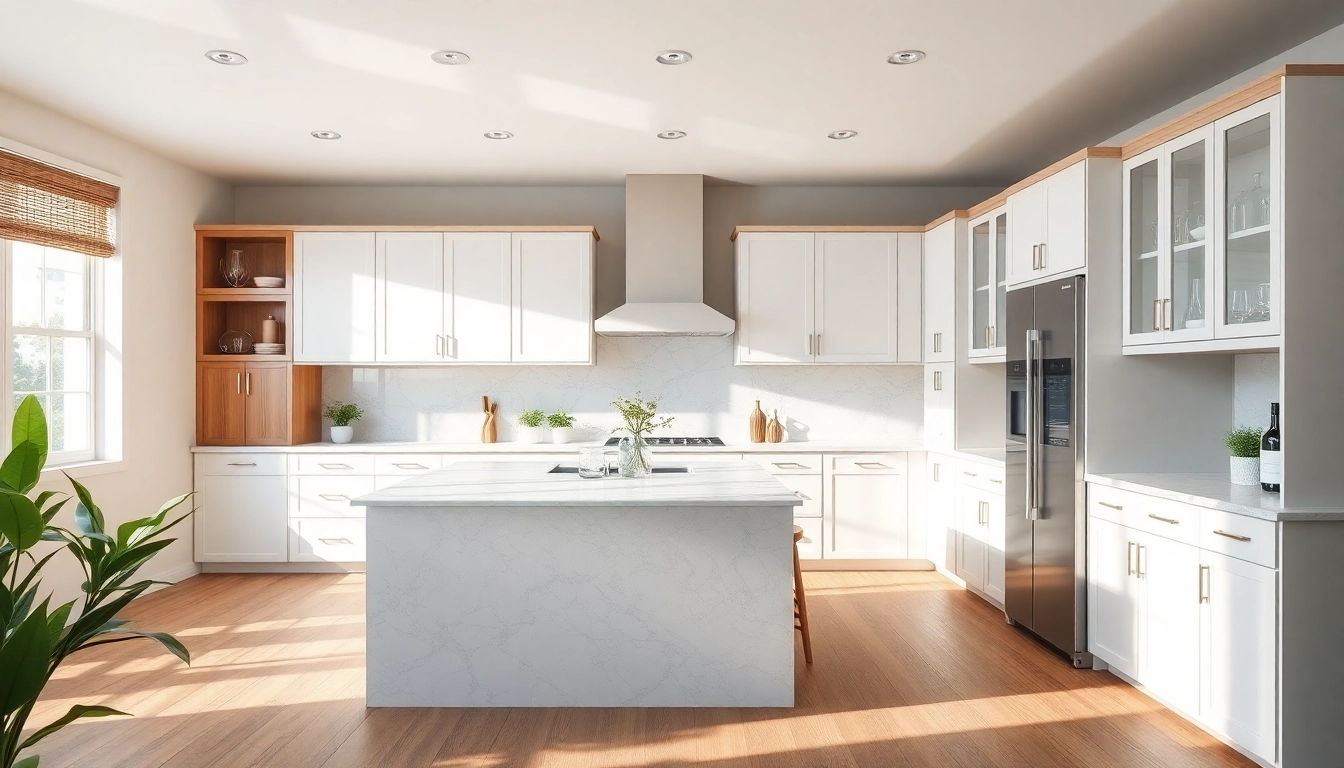
- Kitchens: Kitchen remodels are popular for their high return on investment. This may include new cabinets, countertops, or appliances.
- Bathrooms: Upgrading bathrooms can enhance comfort and utility. Common renovations include installing new fixtures, flooring, and cabinetry.
- Basements: Many homeowners convert basements into livable spaces, such as family rooms or guest suites, maximizing property usage.
- Whole House Renovations: Occasionally, homeowners choose to renovate the entirety of their home, updating infrastructure and design simultaneously.
- Outdoor Spaces: Enhancing outdoor areas through landscaping, decking, or patios can create an inviting environment for relaxation and entertainment.
Planning Your Home Renovation
Effective planning is crucial for any successful home renovation project. Sound planning can lead to better outcomes while minimizing unexpected issues and costs.
Setting a Realistic Budget
Before commencing any renovation, it’s imperative to establish a realistic budget. Consider the following steps:
- Research Costs: Investigate the typical costs of your desired renovations in your area to benchmark your budget.
- Account for Contingencies: Set aside an additional 10-20% of your budget to accommodate unforeseen expenses, which often arise during renovations.
- Prioritize Projects: If funds are limited, prioritize which renovations are necessary versus those that are merely desired.
- Consider Financing Options: Research loans, grants, or other financing options if your project surpasses your available budget.
Choosing the Right Design Style
Choosing a cohesive design style is vital as it will guide the aesthetic direction of your renovation. To choose the right style:
- Explore Different Styles: Investigate various design styles—modern, traditional, industrial, farmhouse—and identify which resonates best with you.
- Consider Your Home’s Architecture: Ensure the style complements your home’s architectural features to maintain harmony.
- Gather Inspiration: Use design magazines, websites, and social media for ideas and visualize your renovated space.
- Create a Mood Board: Compile images, color swatches, and materials that reflect your envisioned design style.
Creating a Comprehensive Timeline
Estimating a realistic timeline for your renovation is crucial to manage expectations. Key aspects include:
- Define Your Phases: Break the project into phases (planning, demo, construction, finishing touches) to understand the time investment for each stage.
- Research Average Durations: Look into how long similar renovation projects typically take to develop a timeline framework.
- Factor in Delays: Build in buffer time for potential delays due to unforeseen circumstances like permitting or contractor scheduling.
Choosing the Right Professionals for Home Renovation
While DIY approaches can be feasible for minor projects, hiring professionals often ensures that substantial renovations are completed correctly and efficiently. Here’s how to select the right experts:
Identifying Necessary Contractors
Depending on the scope of your renovation, different types of contractors might be needed:
- General Contractors: They coordinate the entire renovation project, managing subcontractors and ensuring timelines are met.
- Specialty Contractors: For specific tasks like electrical work, plumbing, or roofing, hiring licensed specialists is essential for compliance and safety.
- Designers: Interior or architectural designers can provide valuable insights into space planning and aesthetic choices.
Assessing Credentials and Experience
When choosing contractors, assess their credentials:
- Verify Licenses: Ensure prospective contractors hold all necessary licenses and insurance for your area.
- Check References: Ask for past client references or portfolios showcasing their previous projects.
- Read Reviews: Online reviews can provide insight into other clients’ experiences and satisfaction levels.
Effective Communication with Your Team
Clear communication with your renovation team is paramount for achieving a successful outcome:
- Establish a Communication Plan: Set regular meetings or check-ins to discuss project status, challenges, and adjustments.
- Be Open to Feedback: Contractors may provide insights based on their expertise that can enhance your original ideas.
- Document Everything: Keep records of contracts, communications, and design choices to avoid misunderstandings.
Executing Your Home Renovation Project
With thorough plans and professionals in place, it’s time to initiate the renovation process. Effective project execution requires attention to detail and organization.
Best Practices for Project Management
Managing the renovation effectively can help ensure it moves along with minimal hiccups:
- Stay Organized: Use project management tools or apps to track progress, timelines, and budgets.
- Be Present: Regularly visit the site to check on progress and maintain engagement with the work being done.
- Prepare for Flexibility: Unexpected issues are common; be prepared to adapt and make quick decisions as challenges arise.
Navigating Permits and Regulations
Many renovation projects require permits to ensure compliance with local building codes. Important considerations include:
- Research Requirements: Investigate which permits are necessary for your specific renovation type and local regulations.
- Complete Paperwork Promptly: Submit permit applications early in the planning phase to avoid delays during execution.
- Maintain Compliance: Ensure that all work is completed in accordance with approved plans to avoid future issues.
Maintaining Quality Control Throughout the Process
Quality control is crucial for achieving lasting renovations. To effectively manage this:
- Have a Quality Checklist: Develop a checklist of key features and standards to check at different stages of the project.
- Regular Inspections: Schedule inspections at various milestones to ensure the work meets your expectations and industry standards.
- Communicate Concerns Early: If there are issues with workmanship or materials, address them promptly to avoid escalation.
Post-Renovation Considerations
Upon completion of the renovation project, there are essential considerations to ensure the transitions are seamless and effective.
Evaluating the Success of Your Renovation
It’s important to assess whether your renovation has met its intended goals:
- Conduct a Walk-through: Review finished work against your original vision and checklist to identify any discrepancies.
- Gather Feedback: Involve family members and guests for their impressions on the functionality and aesthetics of the new space.
- Document Changes: Take photos and notes of the completed work for future reference and if considering selling.
Managing Home Maintenance Post-Renovation
Once renovations are complete, proper maintenance is vital to keep the home in top shape:
- Create a Maintenance Schedule: Outline regular checks and maintenance for newly installed features, such as HVAC systems or new appliances.
- Stay Organized: Keep records of warranties and maintenance schedules for easy reference.
- Inspect Regularly: Schedule periodic inspections to catch any potential issues before they become larger problems.
Increasing Home Value Through Renovation
A well-executed renovation can significantly enhance your home’s market value. To capitalize on your investment:
- Focus on Curb Appeal: First impressions matter. Ensure the exterior of your home is as inviting as the interior; consider landscaping and front door upgrades.
- Prioritize High-Value Areas: Kitchens and bathrooms often yield the best ROI, making them prime candidates for focused renovations.
- Stay Trendy: Incorporate popular trends and materials that buyers today are looking for, ensuring your home remains appealing to prospective buyers.