Understanding Home Renovation Basics
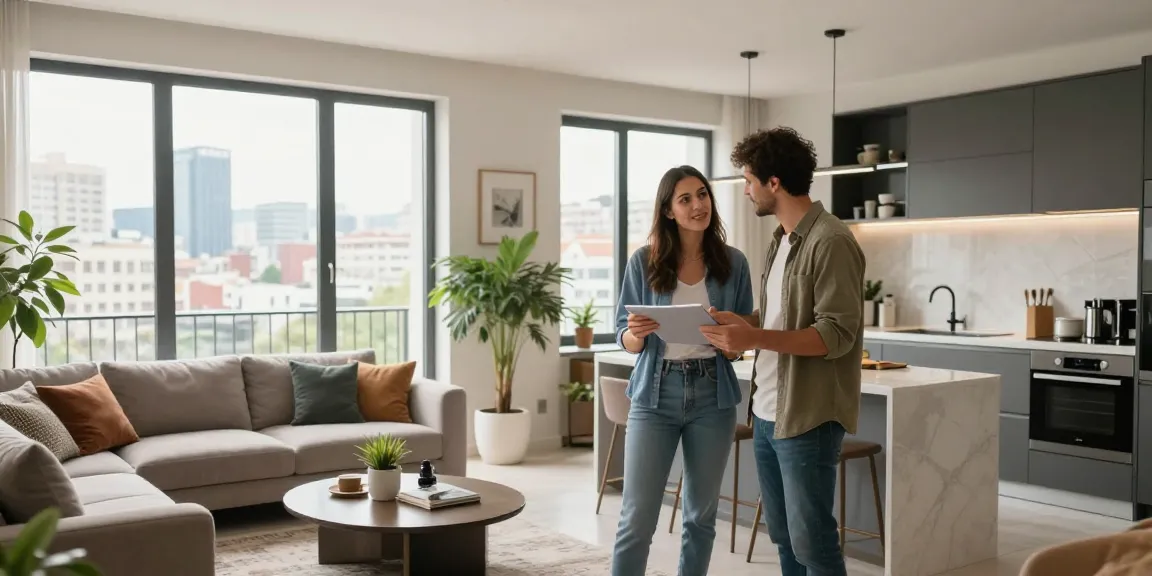
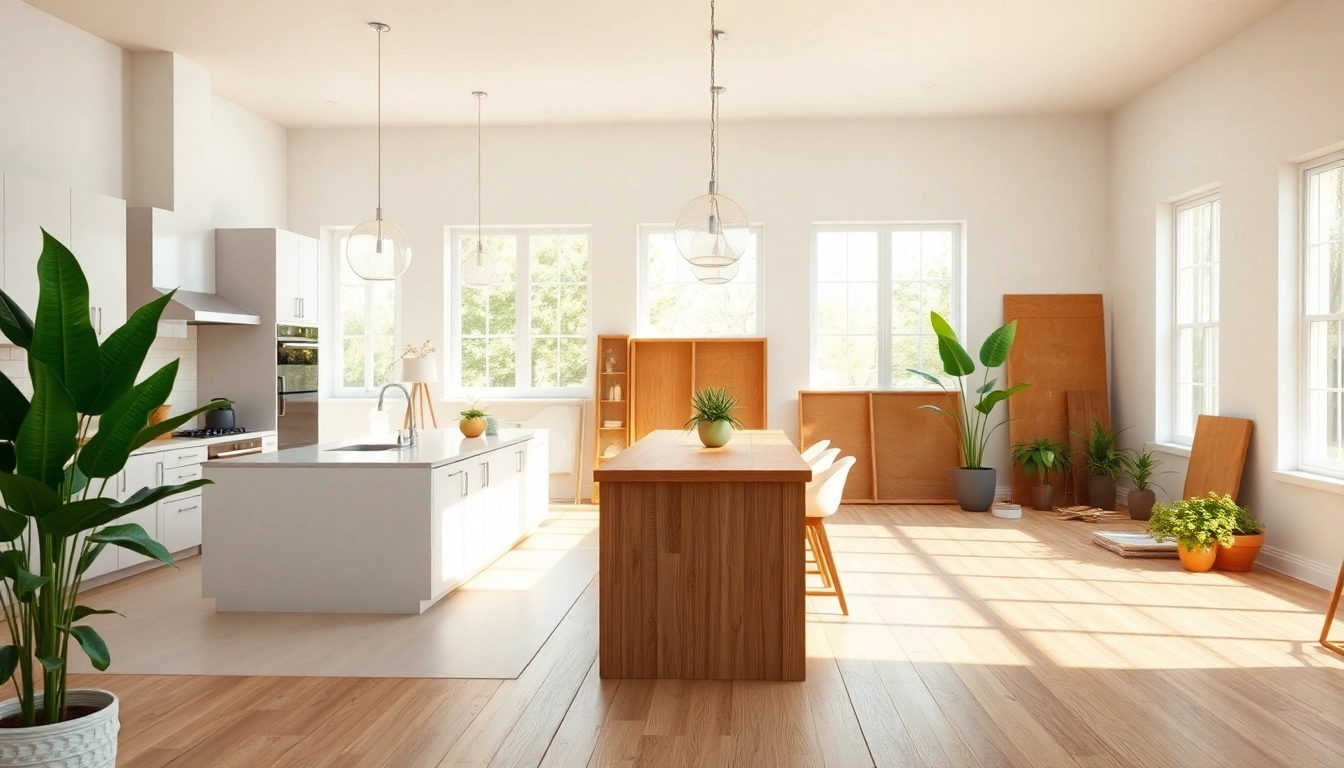
Home renovation can be an exciting yet daunting task for many homeowners. Whether you are looking to modernize a kitchen, expand a living space, or enhance the curb appeal of your property, understanding the fundamentals of Home renovation is crucial. In this comprehensive guide, we will explore what home renovation entails, the common projects involved, and how to assess your specific needs.
What Is Home Renovation?
At its core, home renovation refers to the process of improving, updating, or converting existing structures, spaces, or designs within a home. This includes everything from minor fixes, such as repainting and re-carpeting, to significant alterations like reconfiguring floor plans or adding extensions. It’s a transformative journey that enhances both the aesthetic and functional aspects of a home.
Common Types of Home Renovation Projects
Home renovation projects can be broadly classified into several categories:
- Kitchen Renovations: Upgrading appliances, cabinetry, and countertops.
- Bathroom Renovations: Improving fixtures, tiles, and storage solutions.
- Living Area Renovations: Redesigning layouts, improving lighting, and enhancing furniture.
- Outdoor Renovations: Landscaping, decking, and outdoor living areas.
- Energy Efficiency Upgrades: Installing better insulation, windows, and energy-efficient systems.
Assessing Your Home Renovation Needs
Assessing your home renovation needs is a critical first step. Start with a thorough inspection of your property. Identify areas that require improvement or upgrading – this could be anything from cracked walls to outdated plumbing. Consider the purpose behind your renovation: are you looking to increase property value, improve energy efficiency, or create a more comfortable living space?
Planning Your Home Renovation
Effective planning is the backbone of any successful home renovation. This phase will involve budgeting, designing, and setting a timeline, which are key to ensuring your project runs smoothly.
Setting a Realistic Budget for Home Renovation
Establishing a budget should be one of the first steps you take. Consider the following factors:
- Cost of Materials: Research and estimate costs for materials and products you’ll need.
- Labor Expenses: Factor in the cost of hiring professionals if you do not plan on DIYing your renovation.
- Permitting Fees: Some renovations may require permits, depending on local regulations.
- Contingency Fund: Set aside 10-20% of your budget for unexpected expenses.
Creating a Renovation Timeline
Time management is crucial in any renovation project. Determine a realistic timeline based on the scope of your project. Break the overall renovation into phases, and designate a timeline for each phase. Keep in mind that unexpected delays can arise, so be flexible and prepared for adjustments.
Choosing the Right Design Aesthetic
Your home’s design aesthetic is essential for creating a cohesive look. Explore different styles – whether classic, contemporary, or eclectic – and select what resonates with your lifestyle and personality. You might also consider seeking inspiration through design magazines, online platforms, or home improvement shows. Don’t hesitate to enlist the help of a professional designer if needed.
Executing Your Home Renovation
Once planning is behind you, it’s time for execution. This is where your vision starts coming to life.
Hiring the Right Professionals for Your Home Renovation
The success of your project often hinges on the professionals you choose to work with. Here are some tips for hiring the right contractors:
- Check Credentials: Verify their licenses, insurance, and experience in the specific type of renovation.
- Ask for References: Speak to former clients to gauge their satisfaction with the contractor's work.
- Get Multiple Quotes: Compare estimates from several professionals to ensure a fair pricing.
Managing the Renovation Process
Effective communication and organization are key during the renovation process. Regularly check in with your contractors and monitor progress to ensure everything aligns with your vision. Utilize project management tools if necessary to keep everything on track.
Common Challenges in Home Renovation and Solutions
Renovations can present various challenges, such as:
- Unforeseen Structural Issues: These could arise when walls are opened up. Always conduct a pre-renovation inspection.
- Budget Overruns: Keep track of expenses closely and maintain that contingency fund to help absorb unexpected costs.
- Scheduling Conflicts: Be flexible with timelines as weather or supply chain issues can delay progress. Having a buffer in your timeline can alleviate stress.
Enhancing Value Through Home Renovation
Home renovations can significantly enhance the value of your property, making them an essential investment.
Home Renovation Projects That Add Value
Not all renovations are equal in their return on investment. Some projects that typically provide high value include:
- Kitchen Remodels: A modern and functional kitchen can be a big selling point for potential buyers.
- Bathroom Additions: Adding an extra bathroom can increase functionality and value.
- Energy-Efficient Upgrades: Improving insulation, replacing outdated HVAC systems, or installing energy-efficient windows can save on utilities and appeal to energy-conscious buyers.
Improving Energy Efficiency During Renovation
Integrating energy efficiency into your renovation plans is an opportunity to save money in the long run and increase your home’s appeal. Consider energy-efficient appliances, LED lighting, and high-quality insulation. These upgrades can often qualify for tax credits or energy incentive programs.
Staying Update with Trends in Home Renovation
Keeping an eye on trends in home renovation can help you make informed choices that resonate with potential buyers. Popular trends include open floor plans, smart home technology, sustainable materials, and biophilic design elements that invite nature indoors. However, ensure these choices align with your personal style as well.
Post-Renovation: Maintaining Your Newly Renovated Home
After all the hard work of renovation, maintaining your newly updated home is crucial for longevity.
Tips for Home Care After Renovation
Effective maintenance can prolong the life of your renovations. Here are several tips:
- Regular Cleaning: Incorporate a cleaning schedule to maintain the condition of new materials.
- Seasonal Inspections: Check your home for wear and tear, particularly in newly renovated areas.
- Address Issues Promptly: If any problems arise, fix them immediately to prevent larger issues.
Evaluating the Success of Your Home Renovation
Once your project is complete, take time to evaluate its success. Consider factors like compliance with your original vision, improvements in functionality, and overall satisfaction with the finished product. Discuss these with anyone involved in the project to gather feedback.
Future Renovation Ideas and Planning
The completion of one renovation may spark new ideas for future projects. Keep a list of potential improvements for later consideration. This can include areas that may not be functional enough or changes in your family dynamics that could lead to different space needs.