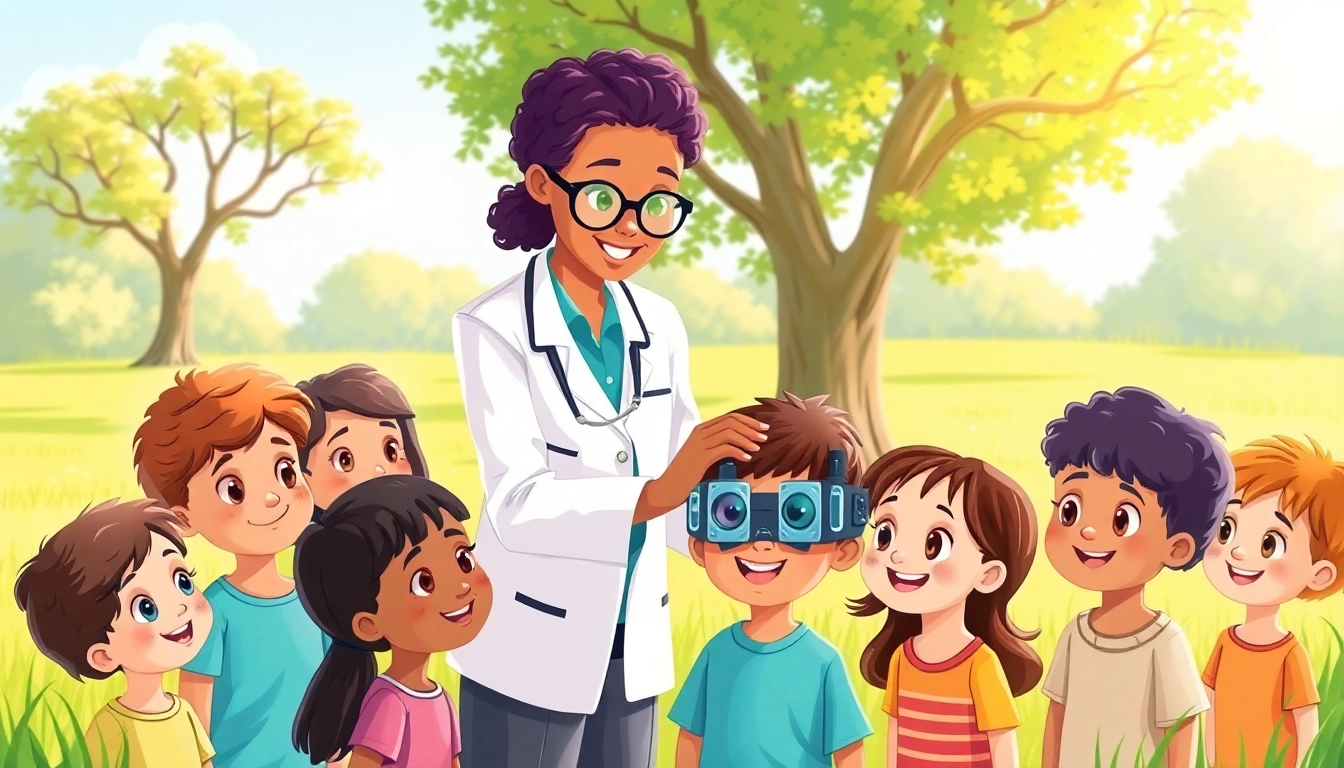
Understanding the Importance of Our Children's Vision
The significance of eye health in childhood cannot be overstated; it is foundational to a child’s overall development and quality of life. Vision problems can lead to difficulties in learning and social interaction, impacting educational and personal growth. This article aims to provide a deep dive into essential aspects of children's vision, focusing on advocacy efforts and community initiatives surrounding Our Children's Vision.
The Scope of Vision Problems in Children
Vision problems are disturbingly common among children. Research indicates that approximately 1 in 4 children has a vision impairment, and many of these issues go undetected without proactive measures in place. Common conditions include myopia (nearsightedness), hyperopia (farsightedness), and astigmatism. Furthermore, strabismus (crossed eyes) and amblyopia (lazy eye) are also prevalent, often necessitating timely intervention to prevent long-term consequences.
Why Vision Care Matters for Childhood Development
Good vision is critical for effective learning, enabling children to read, interpret their environment, and engage in everyday activities. If vision problems are left untreated, children may struggle with academic performance and self-esteem. Moreover, children with undiagnosed vision issues might experience behavioral challenges, leading to misinterpretation of their abilities or intent. Addressing eye health during formative years leads to healthier physical, emotional, and social development.
Current Statistics on Children's Eye Health
Statistics reveal a concerning trend in children's eye health. The World Health Organization estimates that globally, 19 million children under the age of 15 have significant visual impairment. Additionally, studies show that around 60% of children with learning disabilities have untreated vision problems. These metrics emphasize the urgent need for comprehensive eye care and education regarding eye health for both parents and educators.
Key Components of Effective Vision Care for Children
Regular Eye Examinations: Essential for Healthy Development
Regular eye examinations are crucial to detect vision problems early. Experts recommend that children have their first comprehensive eye examination at six months of age, followed by further evaluations at age three and just before starting school. These check-ups are vital as they can identify conditions that, if caught early, can be treated effectively, allowing children to reach their full potential.
Vision Screening Procedures and Their Importance
Vision screening is a preliminary measure to identify children who may need further assessments by an eye care professional. Conducted typically within school settings or pediatric practices, these screenings help catch common problems early on. For instance, a straightforward visual acuity test can identify significant refractive errors, enabling referrals to specialists for additional testing and treatment.
Comprehensive Eye Examinations Explained
A comprehensive eye examination goes beyond basic vision screening. It includes testing for visual acuity, eye alignment, and overall eye health. This thorough assessment helps in diagnosing conditions that may not be evident during simple screenings, ensuring that any identified issues are addressed promptly and appropriately. It is an essential component of eye care that empowers children's health and learning capacity.
How to Advocate for Our Children's Vision
Engaging Communities in Eye Health Initiatives
Community engagement is key to spreading awareness about children's vision health. Organizations can host events like free vision screening days, workshops for parents about eye care, and collaborations with schools to integrate eye health education into the curriculum. Such initiatives foster a community with heightened awareness about the importance of regular eye care.
Partnering with Local Health Organizations
Collaboration with local health organizations is an effective strategy for advocacy. These partnerships can help provide resources, expert knowledge, and further outreach capabilities. Working together with pediatricians, optometrists, and health educators can enhance access to eye care services and ensure a more extensive reach into communities that may otherwise be underserved.
Utilizing Social Media to Raise Awareness
Social media is a powerful tool for raising awareness regarding children's vision issues. By sharing informative content, success stories of community initiatives, and educational resources, organizations can reach a broader audience. Campaigns that encourage families to share their experiences can also help put a spotlight on the importance of proactive eye care, ultimately driving more community involvement and support.
Innovations in Children's Eye Health Services
Emerging Technologies in Eye Care Assessments
Advancements in technology are continually shaping the future of eye care. Tele-optometry is becoming an increasingly viable option for accessibility, allowing for remote consultations and check-ups. Other innovations include portable vision screening devices that can be used in schools and community events, making it easier to reach children in various settings.
Digital Resources for Parents and Caregivers
In today’s digital age, educational resources for parents are available at their fingertips. Online platforms can provide information about common vision problems, development milestones, and guides on how to perform simple vision checks at home. Virtual webinars and workshops can also empower caregivers to understand their children's vision health better.
Expanding Accessibility of Eye Care Services
Improving access to eye care is critical, especially for underprivileged communities. Initiatives aimed at reducing barriers such as transportation issues, affordability, and awareness can expand accessibility. Mobile clinics that travel to underserved areas can offer eye examinations and glasses at no cost, significantly improving children's access to essential eye care services.
Measuring Success in Enhancing Our Children's Vision
Key Performance Indicators in Eye Health Initiatives
To evaluate the effectiveness of vision health initiatives, it’s crucial to establish clear key performance indicators (KPIs). Metrics such as the number of screenings conducted, referrals made to specialists, and increases in community awareness about vision issues should be tracked and analyzed. Regular assessment of these KPIs allows organizations to adjust their strategies to improve outcomes continually.
Impact Stories from Beneficiary Families
Sharing stories of families who have benefited from improved vision care can illustrate the tangible impact of community efforts. Case studies highlighting children's successes after receiving treatment can motivate others to seek care. These personal narratives help normalize the conversation around children's eye health and encourage timely intervention.
Future Directions for Community-Driven Eye Health
Looking forward, the need for collaborative and community-driven approaches in promoting eye health cannot be overstated. Future initiatives should focus on integrating vision care services into existing health programs for children and enhancing public awareness campaigns to reduce stigma around eye health issues. By fostering a culture that prioritizes preventive eye care, the number of undiagnosed and untreated vision problems can significantly decrease.