Overview of Scuba Diving Experiences
Introduction to Scuba Diving
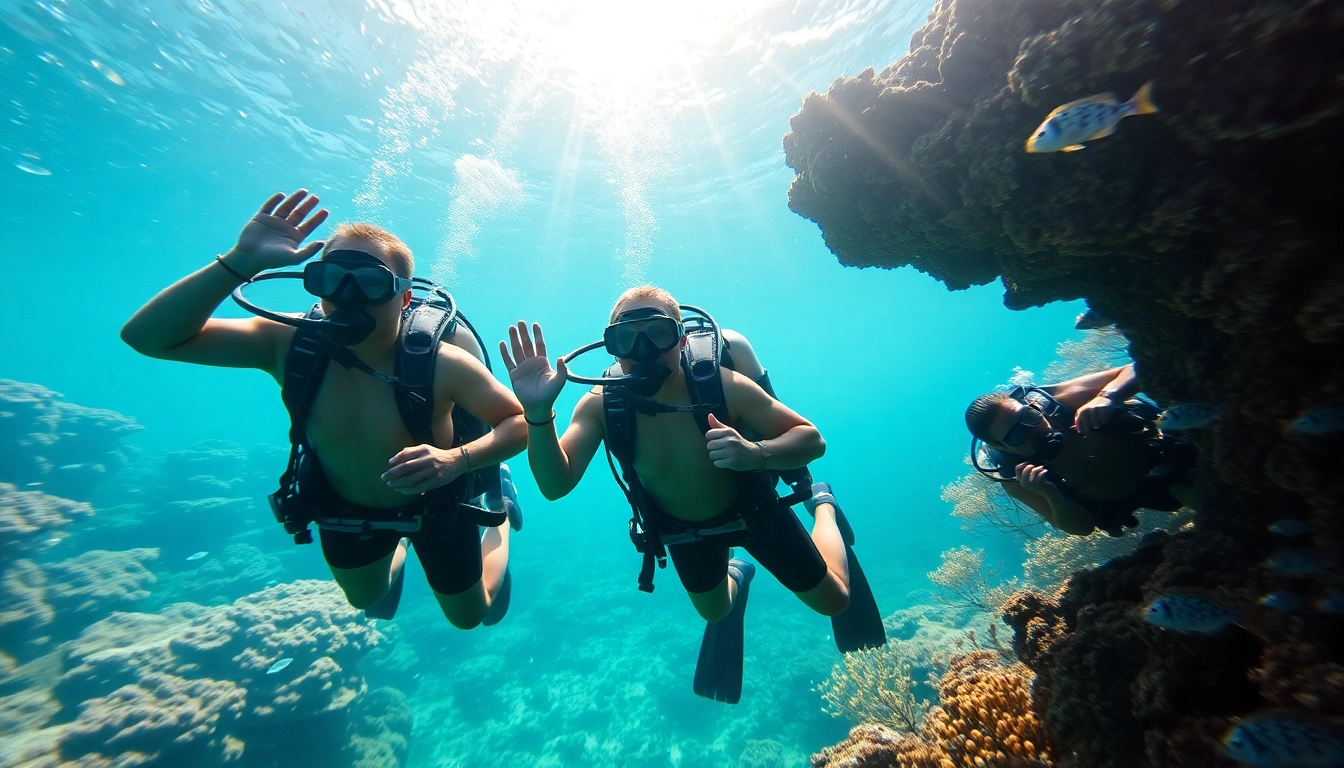
Embarking on a scuba diving adventure is a thrilling way to explore the depths of our oceans and connect with marine life like never before. Scuba diving offers an unparalleled opportunity to experience underwater ecosystems, discover vibrant coral reefs, and encounter fascinating sea creatures. Whether you’re a seasoned diver or a novice considering your first plunge, understanding the fundamentals of scuba diving is essential. Not only does it enhance your experience, but it also ensures your safety and enjoyment during your underwater excursions. For more information on these experiences, visit https://marvinscubaexpeditions.com.
Types of Diving Experiences
Scuba diving encompasses a broad spectrum of experiences, each unique in its own right. Here are some of the primary types:
- Recreational Diving: This is the most common form of diving, focusing on leisure and enjoyment. Recreational divers often explore coral reefs, wrecks, and other scenic underwater sites.
- Technical Diving: Involves diving beyond the normal recreational limits. This includes deep dives, cave diving, and dives requiring advanced equipment. Technical divers often undergo specialized training to manage the complexities of extended underwater excursions.
- Free Diving: Unlike scuba diving, free diving does not involve breathing apparatus. Divers rely on a single breath to explore underwater, focusing on improving their breath-holding abilities and developing skills to dive deeper without the encumbrance of gear.
- Commercial Diving: This form is typically associated with underwater work in various industries, such as oil and gas, construction, and salvage. It requires rigorous training and certification.
- Research Diving: Often undertaken by scientists and researchers to study marine life, underwater ecosystems, or to gather data for conservation efforts. It combines diving with scientific methodologies.
Choosing Your Dive Destination
Selecting the right dive destination plays a crucial role in your diving experience. Factors like water conditions, marine biodiversity, seasonal variations, and local regulations should inform your choice. Here are some popular destinations known for their spectacular dive sites:
- The Great Barrier Reef, Australia: Known for its unparalleled marine diversity, this vast expanse of coral reef is a must-visit for scuba enthusiasts.
- The Red Sea, Egypt: Famous for its warm waters and vibrant coral, the Red Sea offers divers a beautiful underwater landscape.
- The Caribbean: With numerous islands, the Caribbean is renowned for its clear waters and rich marine life.
- Galápagos Islands, Ecuador: Known for its unique species and diverse ecosystems, diving in this unique archipelago is truly unparalleled.
- The Galapagos Islands, Ecuador: An exceptional destination offering rare marine species and dramatic underwater formations.
Preparing for Your First Dive
Essential Gear for Diving
One of the first steps in diving is acquiring the necessary gear. The right equipment not only enhances your experience but also ensures your safety. Here’s a breakdown of essential scuba equipment:
- Mask: A good mask provides a clear view underwater and should fit comfortably.
- Snorkel: Useful for surface swimming and observing marine life without having to wear your full scuba gear.
- Fins: These help in propelling yourself through the water with ease.
- Diving Suit: A wetsuit or drysuit helps maintain your body temperature in various water conditions.
- BCD (Buoyancy Control Device): This vest allows you to manage your buoyancy underwater.
- Regulator: This crucial component delivers breathing air from your tank.
- Tank: The air tank provides the air you will breathe during your dive.
Training and Certifications
Before your first dive, completing proper training is essential. Most dive shops and schools offer certification courses that teach you the theoretical and practical aspects of diving. Two of the most recognized certifications are:
- PADI (Professional Association of Diving Instructors): PADI courses are available for all levels of divers, from beginners to advanced. They emphasize safety and environmental awareness.
- NAUI (National Association of Underwater Instructors): NAUI courses also cover a variety of skills and safety protocols, focusing on diver competence and confidence.
Understanding Dive Safety
Safety is paramount in scuba diving. Here are some key safety tips every diver should keep in mind:
- Plan Your Dive: Always have a plan, including depth, duration, and what to do in emergencies.
- Dive with a Buddy: Never dive alone. Always have a diving partner to assist you in case of emergencies.
- Check Your Equipment: Routine equipment checks prevent issues underwater. Ensure your gear is functioning correctly before every dive.
- Equalize Your Ears: Ascend and descend slowly to avoid barotrauma. Equalizing your ears is critical to diving safely.
- Be Aware of Your Limits: Know your experience level, and do not exceed your training limits. This includes depth, time underwater, and types of dives you are qualified to undertake.
Marine Life and Ecosystems
Common Species Encountered
Diving opens a window into the majestic world of aquatic life. Here are common species you might encounter:
- Fish: From schools of vibrant wrasse to majestic grouper, the diversity is astounding.
- Corals: Hard and soft corals create stunning underwater landscapes and provide habitats for a multitude of marine organisms.
- Sea Turtles: These gentle creatures often grace divers with their presence.
- Sharks: Various shark species inhabit different ecosystems, providing thrilling encounters for divers.
- Particular Invertebrates: From colorful nudibranchs to graceful jellyfish, invertebrates add depth to underwater biodiversity.
Importance of Marine Conservation
As divers, we become part of a larger community that has a significant impact on marine ecosystems. Preserving these environments is crucial for the sustainability of marine life. Here are ways you can contribute to marine conservation:
- Practice Responsible Diving: Stay on designated paths to avoid damaging delicate coral reefs and habitats.
- Participate in Clean-Up Efforts: Join local initiatives to remove trash and pollutants from dive sites.
- Educate Others: Spread awareness about the importance of marine ecosystems and conservation efforts.
- Support Marine Protected Areas: Advocate for policies and practices that protect wildlife and underwater habitats.
How to Respect Marine Environments
A considerate approach to diving ensures that marine ecosystems remain unharmed. Here are some practical tips:
- Avoid Touching Marine Life: Many creatures are sensitive to touch, which can adversely affect their health.
- Leave No Trace: Remove any trash and refrain from leaving anything behind at dive sites.
- Be Mindful of Your Air Bubbles: Bubbles can dislodge fragile organisms, so be conscious of your buoyancy.
- Do Not Overstay Your Visit: Spend adequate time observing but ensure you do not exhaust marine habitats.
Best Practices for Underwater Photography
Choosing the Right Camera Equipment
Underwater photography allows you to capture the mesmerizing beauty of marine life. Selecting the right gear is crucial. Here’s what to consider:
- Camera: Compact point-and-shoot cameras, DSLRs, or mirrorless cameras are popular choices among divers.
- Housing: Ensure your camera has a waterproof housing rated for the depth you’ll be diving.
- Lighting: Underwater, colors diminish quickly. A strobe or underwater video light can enhance your photos significantly.
- Wide-Angle Lenses: These allow you to capture expansive underwater landscapes and vivid coral formations.
Tips for Capturing Stunning Underwater Images
Here are some techniques to enhance your underwater photography:
- Get Close: Water can distort images. The closer you are to your subject, the clearer the shot.
- Mind Your Buoyancy: Control your movements to prevent disturbing sediment and your surroundings.
- Utilize Natural Light: Whenever possible, take advantage of sunlight penetrating the water for better lighting conditions.
- Focus on Composition: Use techniques like the rule of thirds to create visually appealing images.
Editing Techniques for Underwater Photos
Editing is just as crucial as taking the photograph itself. Here are some editing practices to enhance underwater images:
- Color Correction: Adjust colors that may have been lost due to water absorption.
- Contrast and Brightness: These adjustments can bring your images to life, emphasizing details and colors.
- Cropping: Remove unwanted elements from your photos to focus on your main subject.
- Sharpening: Enhance details to make your photographs crisper and more vibrant.
Join the Community of Divers
Local Dive Clubs and Organizations
Connecting with fellow divers can enrich your experience and knowledge. Joining local dive clubs or organizations allows you to meet new enthusiasts, join group dives, and share experiences. They often provide resources for training and education, ensuring you stay informed on best practices and upcoming events.
Diving Events and Competitions
Engaging in diving events and competitions can boost your confidence and skills. These events often include:
- Photography Competitions: Showcase your underwater photography skills against fellow divers.
- Training Workshops: Participate in workshops that help refine your diving techniques and knowledge.
- Conservation Projects: Join community events that focus on marine habitat restoration and conservation.
Sharing Your Diving Experiences Online
In the digital age, sharing your underwater adventures online can inspire others and foster a sense of community among divers worldwide. Utilize platforms such as social media, blogs, and diving-specific forums to document and share your experiences:
- Use Hashtags: Engage with the diving community by using relevant hashtags like #ScubaDiving and #UnderwaterPhotography.
- Create a Personal Blog: Share your diving stories, tips, and photos, allowing others to learn from your experiences.
- Engage in Online Communities: Participate in forums or groups where divers exchange advice and experiences, fostering a broader diving network.