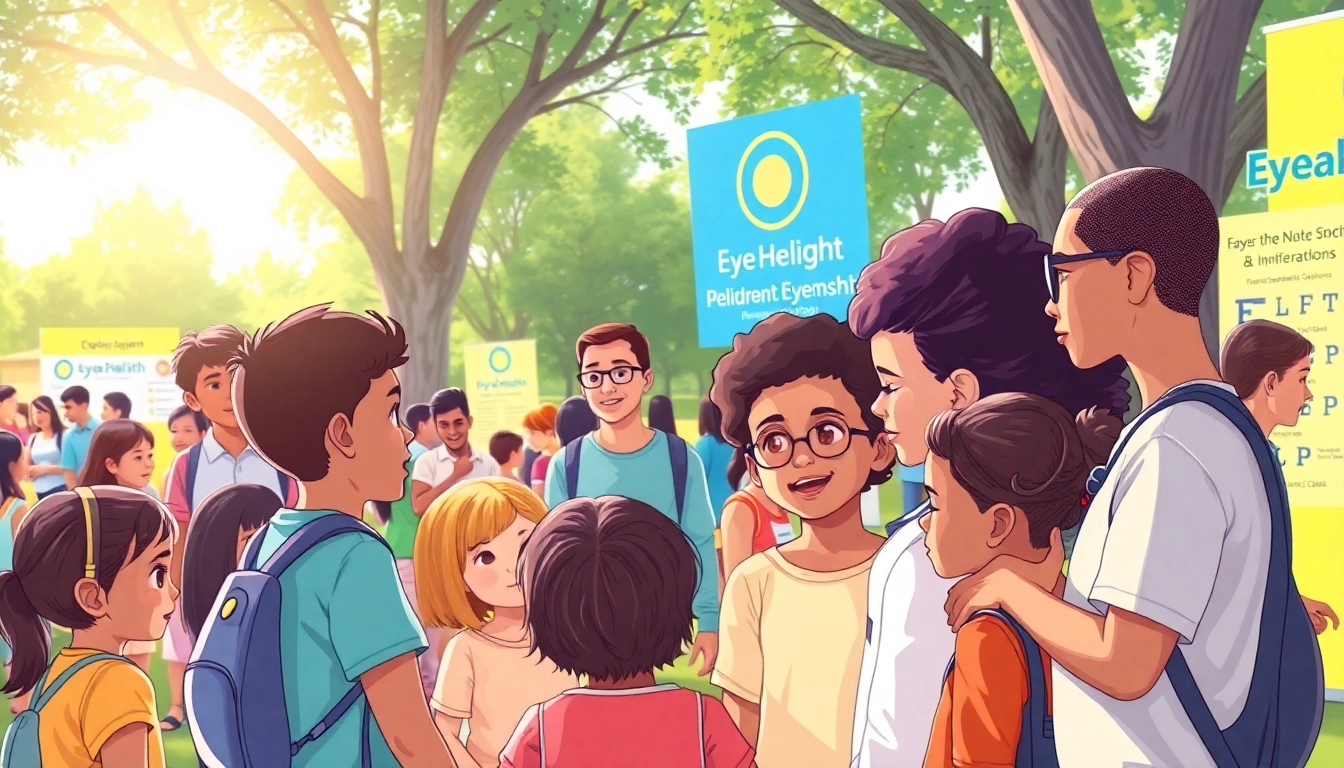
The Importance of Our Children's Vision
Vision is an essential sense that plays a critical role in the learning and development of children. The health of a child's eyes is directly linked to their ability to engage with the surrounding world, acquire new skills, and perform academically. Unfortunately, many visual issues can go unnoticed, affecting children's education and quality of life. Understanding these issues is the first step toward ensuring proper eye care. For more resources and guidance, you may refer to Our Children's Vision.
Understanding Common Eye Issues in Children
Children can experience a variety of eye issues, some of which are more common than others. Amblyopia, or "lazy eye," is one of the leading causes of vision impairment in children. This condition occurs when one eye does not develop visual acuity to the same level as the other, often resulting in binocular vision problems.
Strabismus, also known as crossed eyes, is another prevalent issue where the eyes do not align properly. This misalignment can lead to double vision or depth perception problems, often necessitating early intervention.
Additionally, refractive errors such as myopia (nearsightedness), hyperopia (farsightedness), and astigmatism affect a child's ability to focus on visual tasks. Regular eye examinations can help catch these conditions early, ensuring appropriate treatments are administered.
Impact of Visual Health on Learning and Development
The impact of eye health on a child's learning is profound. Studies suggest that children with untreated visual impairments are more likely to struggle in school settings. These difficulties can manifest as issues with reading, writing, and engaging in classroom activities. Vision plays a pivotal role in developing cognitive skills, and when children can't see well, their overall development may be stunted.
Moreover, visual problems can lead to behavioral issues. Frustration and difficulty in keeping up with peers often result from vision problems, leading to decreased self-esteem and social withdrawal. By addressing these issues early on, we can help nurture a child's academic and social growth.
Encouraging Regular Eye Exams for Kids
Regular eye care is as vital as routine health check-ups. Parents and guardians should prioritize scheduling eye exams for their children, as these visits can identify potential issues before they escalate. The American Academy of Ophthalmology recommends that children have their eyes examined at various developmental milestones, starting as early as six months of age and continuing through school years.
During these exams, healthcare professionals can conduct vision tests to check for any abnormalities. It is also important for parents to be observant of symptoms that may indicate vision problems, such as squinting, frequent eye rubbing, or difficulty focusing on distant objects. Early detection paves the way for timely intervention, which can significantly improve a child's visual health and learning experience.
Creating Engaging Educational Programs
Education plays a crucial role in raising awareness about children's vision health. Developing effective educational programs can empower parents, educators, and community members to prioritize eye health in children.
Developing Curriculum Focused on Eye Health
Incorporating eye health education into school curricula can foster a deeper understanding of the importance of vision among students. Such programs should cover the anatomy of the eye, common eye disorders, and tips for maintaining eye health, including the importance of nutrition and regular eye examinations.
Interactive learning methods like workshops, hands-on activities, and visual demonstrations can effectively engage children, making the subject matter more relatable. By fostering an environment of curiosity and interest, we can create a foundation of knowledge that children can carry with them throughout their lives.
Utilizing Digital Resources to Increase Awareness
In today's digital age, utilizing online resources to promote eye health is essential. Schools and organizations can harness the power of social media and interactive websites to reach a wider audience. Engaging videos, informative infographics, and eye health quizzes can stimulate children's interest and encourage healthy habits.
Additionally, apps focused on eye health could help remind parents about the importance of eye exams and provide tips on promoting good vision at home. By integrating technology with educational resources, we can create a potent tool for spreading awareness and information about children's vision health.
Partnering with Local Schools for Outreach
Partnerships between health organizations and local schools can amplify the reach of eye health initiatives. Schools serve as a gateway to engage parents and communities in vital discussions about children's visual health. By organizing eye health awareness events, such as seminars and vision screening days, schools can become a focal point for education and outreach efforts.
These partnerships can also cultivate initiatives that go beyond simple awareness, such as establishing programs to get children proper eye care based on the screenings conducted. Effective collaboration can leverage resources and expertise for maximum impact.
Community Initiatives for Eye Health
Creating community initiatives is an imperative step in promoting children's vision health. Engaging local communities allows for broad outreach, ensuring that essential services are accessible to all families, regardless of their socio-economic status.
Organizing Local Vision Screening Events
Community vision screening events can serve as an excellent avenue for early detection of visual issues. Organizing such events requires collaboration with local healthcare providers to ensure qualified professionals handle screenings. These screenings should be marketed to families through schools, community centers, and local businesses to maximize participation.
Post-screening follow-ups can also be crucial. Providing information on what parents should do if their child is found to have vision issues—such as referrals to local optometrists or ophthalmologists—ensures they understand the next steps towards treatment.
Building Networks with Healthcare Providers
Establishing relationships with local healthcare providers, including pediatricians and eye specialists, can create a robust support network for children’s visual health. Training healthcare professionals on the importance of vision screening can ensure they recommend eye exams during routine check-ups.
Creating a referral system can streamline the process for families needing specialist services. By building these networks, communities can ensure comprehensive support for families navigating children’s vision issues.
Sharing Success Stories to Inspire Action
Real-life success stories have the power to motivate communities and drive action. Sharing accounts of children who have benefited from early detection and treatment of visual issues can inspire other families to take advantage of available resources. These narratives can be shared through community newsletters, social media platforms, or local events.
Highlighting the importance of community involvement in these stories can encourage other stakeholders to engage and contribute to the cause, thus amplifying the message and the initiative.
Building Collaborative Partnerships
Engaging in collaborative partnerships is vital for the sustainability of children's vision programs. Forming alliances can broaden outreach and resource availability, ultimately benefiting more families.
Working with Nonprofits for Broader Reach
Nonprofit organizations often have established networks and resources dedicated to public health issues, including eye health. Working with these nonprofits allows educational programs and outreach initiatives to gain traction and visibility.
Collaborating with these organizations can also provide access to funding and expertise. Nonprofits can help implement programs, assist in community engagement, and lead awareness campaigns, thus maximizing the impact of such initiatives.
Engaging Local Businesses in Eye Health Campaigns
Engaging local businesses can create a mutually beneficial relationship that promotes community health. Businesses can sponsor screening events or educational workshops while also helping to raise awareness through their marketing channels. For example, local optometrists can partner with schools to provide free vision screenings.
This collaboration not only supports community health initiatives but also fosters goodwill and enhances customer loyalty for businesses that actively support local causes.
Creating Sponsorship Opportunities for Events
Sponsorship opportunities for vision-related events can draw in funding and resources needed to expand reach and improve offerings. Local sponsors can contribute through monetary donations, services, or in-kind support, helping to alleviate financial burdens on organizations hosting vision initiatives.
Crafting sponsorship packages that clearly outline benefits, integrating business recognition within events, and providing updates on the impact made through their contributions can help entice more businesses to get involved in community health initiatives.
Measuring Success and Impact
Effectively measuring the success of community initiatives geared towards children's vision health is essential to refine strategies and demonstrate impact. Establishing metrics allows organizations to gauge effectiveness, understand community needs, and improve future offerings.
Establishing Metrics for Awareness and Engagement
Identifying key performance indicators (KPIs) related to awareness and engagement is crucial. This may include metrics such as attendance at vision screening events, the number of educational materials distributed, or participation rates in school-based eye health curricula.
Utilizing surveys to gauge community awareness before and after initiatives can provide insights into the effectiveness of campaigns, helping organizations refine their messaging and approach.
Gathering Feedback from Participants
Collecting feedback from participants after events and programs can yield valuable insights for improvement. Surveys, interviews, or small group discussions can help gather qualitative data on the participant experience and outcomes. Understanding what resonated with families and what could be improved helps organizations adjust their strategies effectively.
Adapting Strategies Based on Data Analysis
Using data analysis to identify trends and gaps in community needs will enable organizations to adapt their programs effectively. Whether it’s expanding outreach efforts based on low attendance in certain demographics or incorporating new educational materials that address emerging eye health issues, being responsive to data is vital for ongoing success.
Continuous evaluation fosters an environment where initiatives can evolve in response to community needs, ultimately amplifying their positive impact on children’s vision health.