Understanding Trade Schools in Hawaii
What Are Trade Schools?
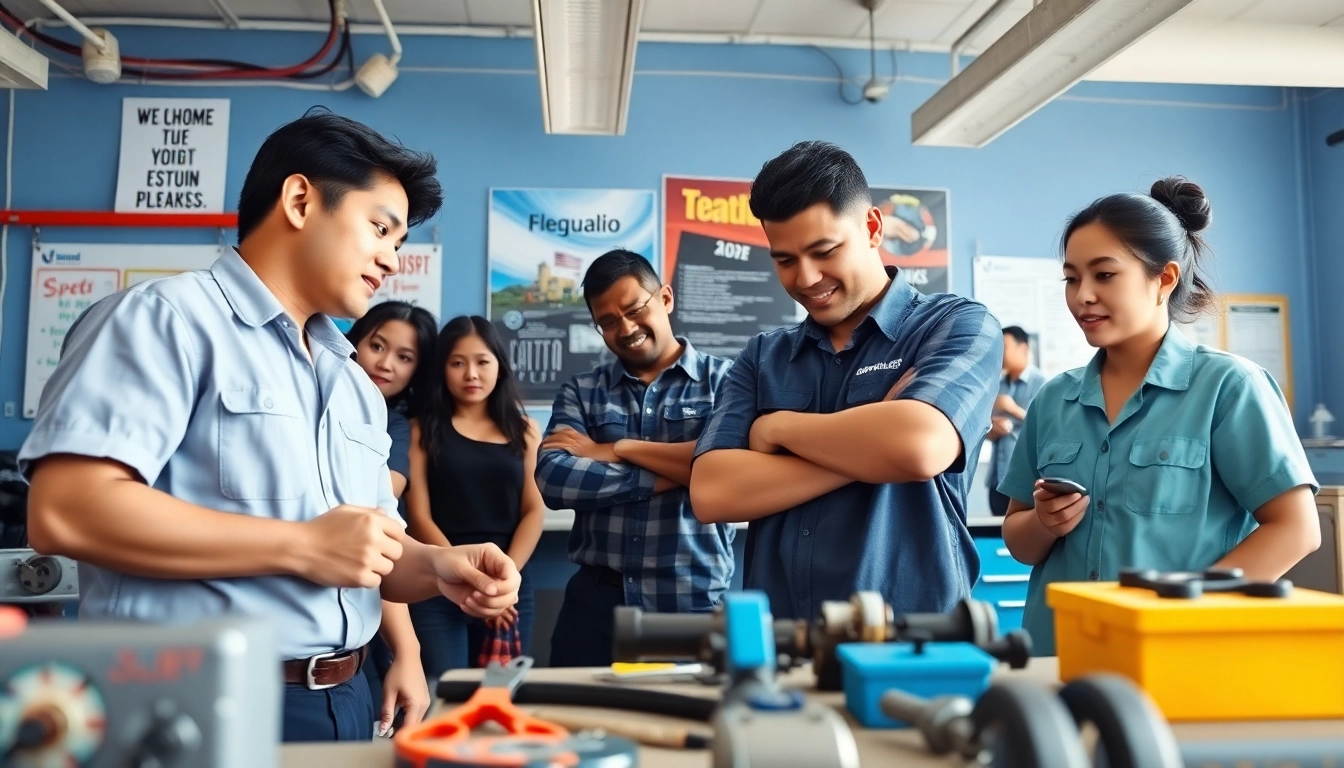
Trade schools, also known as vocational schools or technical colleges, offer specialized training programs designed to prepare students for specific careers. Unlike traditional four-year colleges, trade schools focus on practical skills and hands-on experience that are directly applicable to the workforce. In Hawaii, these institutions cater to various fields, ranging from healthcare and culinary arts to automotive repair and construction. By attending trade schools in Hawaii, students can gain valuable skills that lead to high-demand careers quickly and efficiently.
Benefits of Attending Trade Schools
Attending a trade school presents numerous advantages for students. Firstly, these schools often have shorter program lengths compared to traditional college pathways, allowing students to enter the workforce sooner. Additionally, trade schools typically offer lower tuition costs, making them a more affordable option for many. Graduates are also more likely to find employment in their field of study, thanks to a strong emphasis on hands-on training and industry-specific skills. Furthermore, many trade schools maintain partnerships with local businesses, providing students with job placement opportunities upon graduation. To explore the various options available, check out trade schools in Hawaii.
Key Programs Offered in Hawaii
Trade schools in Hawaii offer a diverse range of programs tailored to meet the demands of the local job market. Popular fields of study include:
- Healthcare: Programs in nursing, medical assisting, and dental hygiene prepare students for rewarding careers in the healthcare sector.
- Information Technology: Courses in IT support, networking, and cybersecurity are crucial in today's technology-driven economy.
- Culinary Arts: Culinary programs teach cooking techniques and restaurant management, tapping into Hawaii's vibrant food industry.
- Construction Trades: Training in carpentry, plumbing, and electrical work addresses the ongoing demand for skilled labor in construction.
- Automotive Technology: Automotive programs equip students with the necessary skills to excel in vehicle repair and maintenance fields.
Choosing the Right Trade School
Factors to Consider
When selecting a trade school, prospective students should consider several factors. Location is important, as attending a nearby institution can reduce commuting time and costs. Additionally, program curriculum should align with career goals; students are encouraged to investigate course offerings and faculty qualifications. Potential students should also assess the school's reputation within industry circles, looking for reviews and testimonials from alumni.
Accreditation and Licensing
Accreditation is a key factor when choosing a trade school, as it ensures that the institution meets specific educational standards. Attending an accredited school can also impact financial aid eligibility. Students should verify that the school is accredited by a recognized agency and inquire about program-specific accreditations that may enhance employability in certain fields. Furthermore, understanding state licensing requirements for their chosen profession is essential; some careers necessitate specific certifications, which accredited programs can help students achieve.
Costs and Financial Aid Options
The cost of attending trade schools in Hawaii can vary significantly based on program length and type. Students should consider tuition fees, materials, and additional expenses such as transportation. Many trade schools offer financial aid options, including scholarships, grants, and federal student loans. It's important for prospective students to explore these options early in their educational journey to minimize financial burden.
Preparing for Admission into Trade Schools
Application Process Explained
The application process for trade schools typically involves several steps. Candidates should begin by completing an application form, which may require personal information, educational history, and a statement of purpose. Some schools may conduct interviews or require entrance exams to assess readiness for specific programs. It's important that applicants keep track of application deadlines and ensure they provide any requested documentation, such as transcripts or recommendation letters.
Prerequisites for Programs
Prerequisites for trade school programs can vary widely. Many programs require a high school diploma or GED; some may demand specific coursework, such as math or science classes, particularly for fields like healthcare and technology. Students should carefully review the requirements for their desired programs and seek guidance if they need to complete prerequisites.
Building a Strong Application
To enhance their application, students should emphasize their relevant experiences, including any previous work, volunteer opportunities, or achievements. Writing a compelling personal statement that outlines career goals and the desire to attend the specific trade school can also make a positive impression. Attention to detail is crucial; applicants should proofread all materials to ensure clarity and professionalism.
Success Stories from Hawaii Trade Schools
Alumni Achievements
Successful alumni from trade schools in Hawaii provide powerful evidence of the positive impact these institutions can have on career trajectories. Many graduates have gone on to secure well-paying jobs and make significant contributions to their communities. For instance, graduates from culinary programs have opened successful restaurants that highlight traditional Hawaiian cuisine, while nursing program alumni work in local healthcare facilities, improving patient care.
Impact on Local Workforce
Trade schools play a crucial role in strengthening Hawaii's local workforce. By equipping students with practical skills, these institutions help fill critical job vacancies in industries facing labor shortages. This not only benefits graduates through employment opportunities but also enhances the overall economic vitality of the Hawaiian community. Collaborations between trade schools and local employers facilitate job placement and internships, creating a pipeline of skilled workers for the local economy.
Interviews with Graduates
Personal stories from graduates can inspire prospective students. Many alumni share how their experiences in trade school transformed their lives by offering hands-on training and support from knowledgeable instructors. Interviews often highlight how their programs provided networking opportunities that led to fruitful careers, showcasing the value of practical education. These narratives help to demystify the trade school experience and illuminate the potential pathways available after graduation.
Future of Trade Education in Hawaii
Emerging Fields and Opportunities
The future of trade education in Hawaii is bright, with emerging fields playing a crucial role in shaping the curriculum. Growing industries such as renewable energy and technology are beginning to offer specialized training programs to meet workforce demands. As the economy shifts, trade schools continue to adapt, ensuring that students are prepared for careers in cutting-edge fields that promise job security and growth.
Technological Integration in Trade Schools
Technology is rapidly changing the landscape of education, and trade schools in Hawaii are no exception. Many institutions are integrating advanced technologies into their programs, enhancing the learning experience. This includes using virtual reality for hands-on training in fields like healthcare and construction, as well as offering online coursework for flexibility. By adopting these innovations, trade schools can better prepare students for modern workplaces that increasingly rely on technology.
Government Support and Initiatives
Government initiatives play an essential role in supporting trade education in Hawaii. Policymakers and educational institutions are collaborating to create programs that address workforce needs, ensuring that students have access to quality training. Scholarships and funding opportunities offered by state and federal agencies can help reduce the financial burden on aspiring students. Moreover, ongoing discussions regarding vocational education highlight the commitment to bolstering trade schools as a vital aspect of Hawaii's educational landscape.
Frequently Asked Questions
What types of programs do trade schools in Hawaii offer?
Trade schools in Hawaii offer programs in various fields such as healthcare, culinary arts, automotive technology, construction, and information technology.
How long do trade school programs typically last?
Most trade school programs range from a few months to two years, allowing students to enter the workforce more quickly than traditional college programs.
Are trade schools in Hawaii accredited?
Yes, many trade schools in Hawaii are accredited, which ensures they meet specific educational standards and can provide quality training.
What financial aid options are available for trade school students?
Trade school students in Hawaii may explore scholarships, grants, federal student loans, and state funding options to help cover educational costs.
What are the job prospects after attending trade school?
Job prospects after attending trade school are generally strong, as many programs are designed to meet the needs of local industries facing labor shortages.