Introduction to HEPA Filters
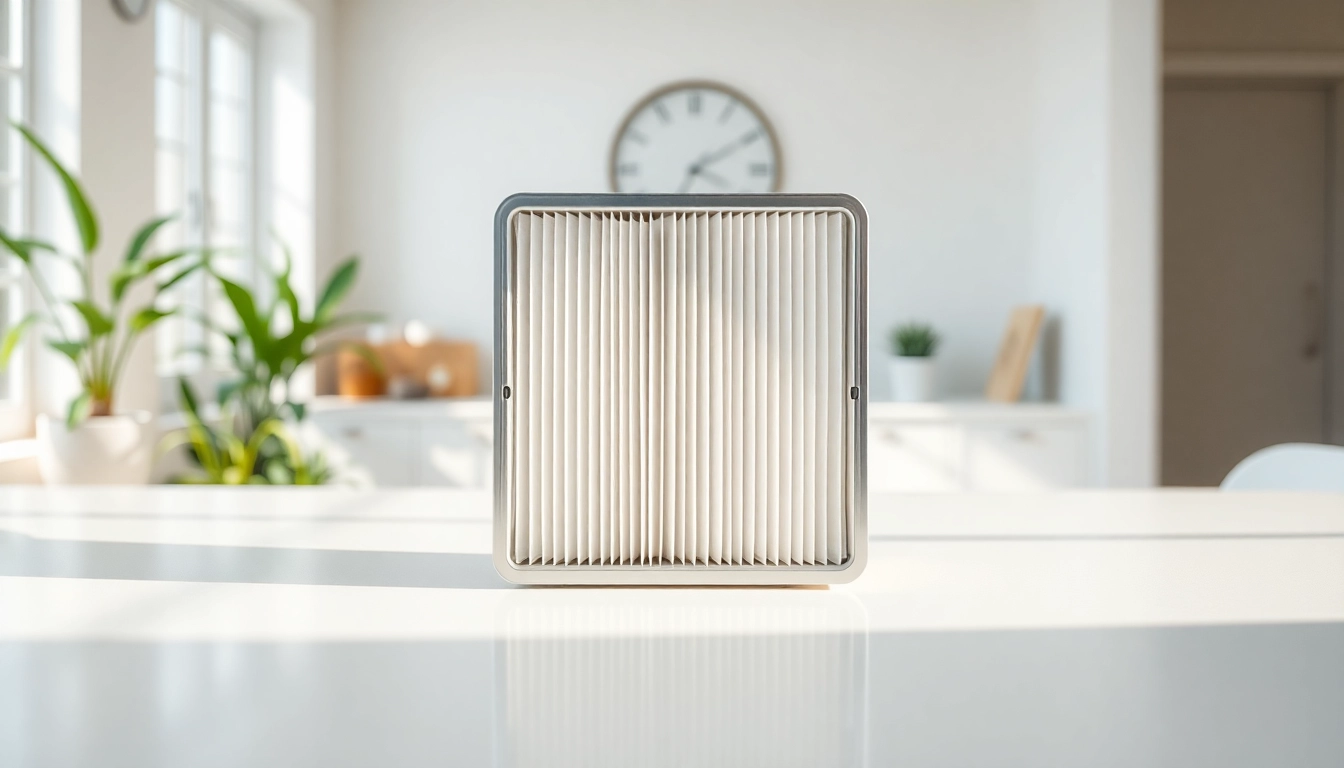
In an age where air quality is of paramount importance to health and well-being, understanding the role of HEPA filters is critical. HEPA, or High-Efficiency Particulate Air, filters are designed to capture an array of airborne particles, making them essential in various settings, from households to industrial environments. These filters are engineered to significantly reduce both particulate matter and allergens from the air, thereby promoting a healthier indoor atmosphere. As we dive deeper into this comprehensive guide, we aim to shed light on hepa filter technology, benefits, applications, and maintenance strategies.
What is a HEPA Filter?
A HEPA filter is defined as a type of air filter that meets specific efficiency standards set by the U.S. Department of Energy. To qualify as a HEPA filter, it must trap at least 99.97% of particles that are 0.3 microns in diameter. This level of effectiveness makes HEPA filters capable of capturing dust, pollen, pet dander, mold spores, and even some viruses and bacteria. Essentially, HEPA filters are a barrier against the unseen particles that can adversely affect our health.
How HEPA Filters Work
HEPA filters operate using a combination of three mechanisms: interception, inertial impaction, and diffusion. When air passes through the filter, particles are captured through these methods:
- Interception: When particles come close to the fibers of the filter, they are captured by sticking to them.
- Inertial Impaction: Larger particles cannot follow the curved paths of the air stream and collide with the filter fibers.
- Diffusion: Smaller particles move erratically (due to Brownian motion) and are more likely to collide with the fibers.
This combination of particle capture mechanisms ensures that HEPA filters are extraordinarily effective, making them a go-to choice for air purification technologies.
Benefits of Using HEPA Filters
Implementing HEPA filters in your air purification strategy offers numerous benefits:
- Allergen Reduction: By removing allergens such as pollen and pet dander, HEPA filters can help alleviate symptoms for allergy sufferers.
- Healthier Indoor Air Quality: These filters significantly reduce the concentration of harmful particles, contributing to improved overall air quality.
- Odor Reduction: While not primarily designed to filter odors, HEPA filters can reduce some smells by removing particles that cause them.
- Protection Against Pollutants: HEPA filters efficiently trap pollutants, particularly in urban areas where air quality may be compromised.
- Versatile Applications: From home use to industrial applications, their adaptability makes them widely useful across various settings.
Choosing the Right HEPA Filter
Not all HEPA filters are created equal, and selecting the right one for your specific needs is essential. Below, we break down the types of HEPA filters available, key considerations for selection, and some of the leading brands in the industry.
Types of HEPA Filters
HEPA filters come in various forms, primarily categorized as true HEPA filters, HEPA-type filters, and ULPA filters:
- True HEPA Filters: These meet the rigorous standards set by the U.S. Department of Energy, capturing 99.97% of particles sized 0.3 microns.
- HEPA-type Filters: Often marketed as HEPA filters, these may not meet the true HEPA standard and may have lower efficiency in filtering small particles.
- ULPA Filters (Ultra-Low Penetration Air): These filters have even stricter standards and can filter out at least 99.999% of particles 0.12 microns in size, used in highly controlled environments.
Key Considerations for Selection
When choosing a HEPA filter, consider the following factors:
- Filter Size: Ensure that the filter fits properly in the desired air quality control system.
- Airflow Rate: The filter should allow adequate air circulation while maintaining effective filtration.
- Operating Environment: Consider where the filter will be used (home, office, industrial setting) and choose a filter accordingly.
- Maintenance and Cost: Be aware of replacement costs and maintenance frequency, which can impact the overall efficiency and cost-effectiveness over time.
Common Brands and Their Features
Several brands have made a name for themselves in the HEPA filter market, known for their unique features and reliability. Some noteworthy brands include:
- Dyson: Features advanced filtration systems that combine HEPA with activated carbon for odor reduction.
- Honeywell: Offers a diverse range of air purifiers equipped with true HEPA filters, known for their durability and performance.
- LEVOIT: Affordable options with compact designs and efficient filtration, making them ideal for residential use.
- Filtrete: Known for their high-efficiency filter products, providing options for various HVAC systems.
HEPA Filter Applications in Different Settings
The versatility of HEPA filters ensures they find applications across various environments, each with unique air quality challenges. Below we explore the three main settings where HEPA technology excels.
Residential Use of HEPA Filters
In residential settings, HEPA filters are primarily utilized in air purifiers and HVAC systems to improve indoor air quality. Their installation can significantly enhance the air quality of homes, particularly for individuals with allergies, asthma, or respiratory issues. By filtering out common household allergens and dust, these filters create a cleaner and healthier living environment.
HEPA Filters in Commercial Spaces
Commercial establishments, ranging from offices to retail spaces, utilize HEPA filters to safeguard the health of employees and customers. Most modern HVAC systems are equipped with HEPA filters to ensure high air turnover rates while effectively cleaning the air. With rising health concerns, businesses are prioritizing indoor air quality, leading to the widespread adoption of HEPA filtration in workplaces.
Industrial Applications of HEPA Technology
Industries like pharmaceuticals, electronics, and food processing demand stringent air quality requirements to prevent contamination. HEPA filters are essential in cleanroom environments, where particulate matter control is crucial for compliance with regulatory standards. Their ability to effectively trap minute particles ensures that these industries maintain the integrity of their products and processes.
Installation and Maintenance of HEPA Filters
Proper installation and maintenance are critical to ensuring the effectiveness of HEPA filters. Here’s a step-by-step guide on how to install them correctly, along with maintenance tips to maximize their lifespan.
Step-by-Step Installation Guide
1. Gather Necessary Tools
Before starting the installation, make sure you have the required tools: screwdriver, replacement HEPA filter, and possibly a vacuum cleaner.
2. Turn Off the System
Always ensure that the HVAC or air purifier system is powered off to avoid any electrical hazards during installation.
3. Access the Filter Compartment
Locate the filter compartment in your system. This is often found near the air intake. Consult the user manual for specific instructions for your unit.
4. Remove the Old Filter
Carefully take out the old filter. If it’s clogged with dust, consider using a vacuum to minimize the dispersal of particles.
5. Install the New HEPA Filter
Insert the new HEPA filter, ensuring that it fits snugly and follows the airflow direction indicated on the filter’s casing.
6. Close the Compartment
Securely close the filter compartment, ensuring all fasteners are tight.
7. Power On the System
Turn on your HVAC or air purification system and verify that it operates correctly with the new filter in place.
Maintenance Tips for Longevity
To keep HEPA filters functioning optimally, regular maintenance is crucial. Here are some actionable tips:
- Clean Regularly: Depending on the environment, vacuum filter exteriors and other accessible components monthly to prevent dust buildup.
- Replace Filters on Time: Follow the manufacturer’s guidelines regarding how often filters should be replaced, typically every 6 to 12 months for HEPA filters.
- Monitor Performance: Regularly assess the airflow and performance of the system. If you notice a decrease, it may be time to change the filter.
- Keep the System Clean: Ensure that the entire air system, including ducts and vents, are cleaned periodically to prevent dust accumulation.
When to Replace Your HEPA Filter
Recognizing the right time to replace your HEPA filter can significantly impact the air quality in your space. Here are some signs to look out for:
- Increased Allergies: If allergy symptoms worsen indoors, it may indicate that the filter is no longer functioning effectively.
- Reduced Airflow: A noticeable decrease in air circulation can suggest that your filter is clogged and needs replacement.
- Changes in Filter Color: If the filter looks excessively dirty or discolored, it’s a sign it’s time for a change.
Impact of HEPA Filters on Health and Environment
The implications of using HEPA filters extend beyond just individual health benefits; they also have a broader environmental impact. This section looks closer at these aspects.
Health Benefits of Improved Air Quality
HEPA filters play a vital role in enhancing indoor air quality by removing a significant number of pollutants. This reduction in airborne particles can lead to:
- Lower Incidence of Respiratory Issues: Individuals, particularly those with asthma or other respiratory conditions, experience fewer issues when exposed to cleaner air.
- Fewer Allergic Reactions: By significantly reducing allergens in the air, HEPA filters help to mitigate allergic reactions in sensitive individuals.
- Enhanced Overall Well-Being: Clean air contributes to better cognitive function, improved sleep quality, and decreased stress levels.
Environmental Considerations
In addition to personal health benefits, HEPA filters contribute to better environmental outcomes. They help reduce the release of harmful living conditions created by airborne pollutants during indoor air circulation. By ensuring cleaner air in enclosed environments, HEPA filters can ultimately lead to reduced healthcare costs associated with air pollution.
Future Trends in HEPA Filter Technology
As air quality issues escalate worldwide, the HEPA filter technology continues to evolve. Key trends include:
- Integration with Smart Technology: Future HEPA purifying systems may integrate smart sensors to automatically adjust filtration based on real-time air quality data.
- Environmental Sustainability: Companies are focusing on producing more sustainable materials for HEPA filters, reducing waste and enhancing recyclability.
- Advanced Filtration Systems: New technologies aim to enhance HEPA filters’ efficiency by incorporating additional layers of filtration for even smaller particles and pathogens.
In conclusion, understanding HEPA filters' functionality, benefits, and applications provides invaluable insights into maintaining a healthier indoor environment. By effectively choosing, installing, and maintaining these filters, users can harness their full potential, greatly improving air quality while supporting personal and public health.