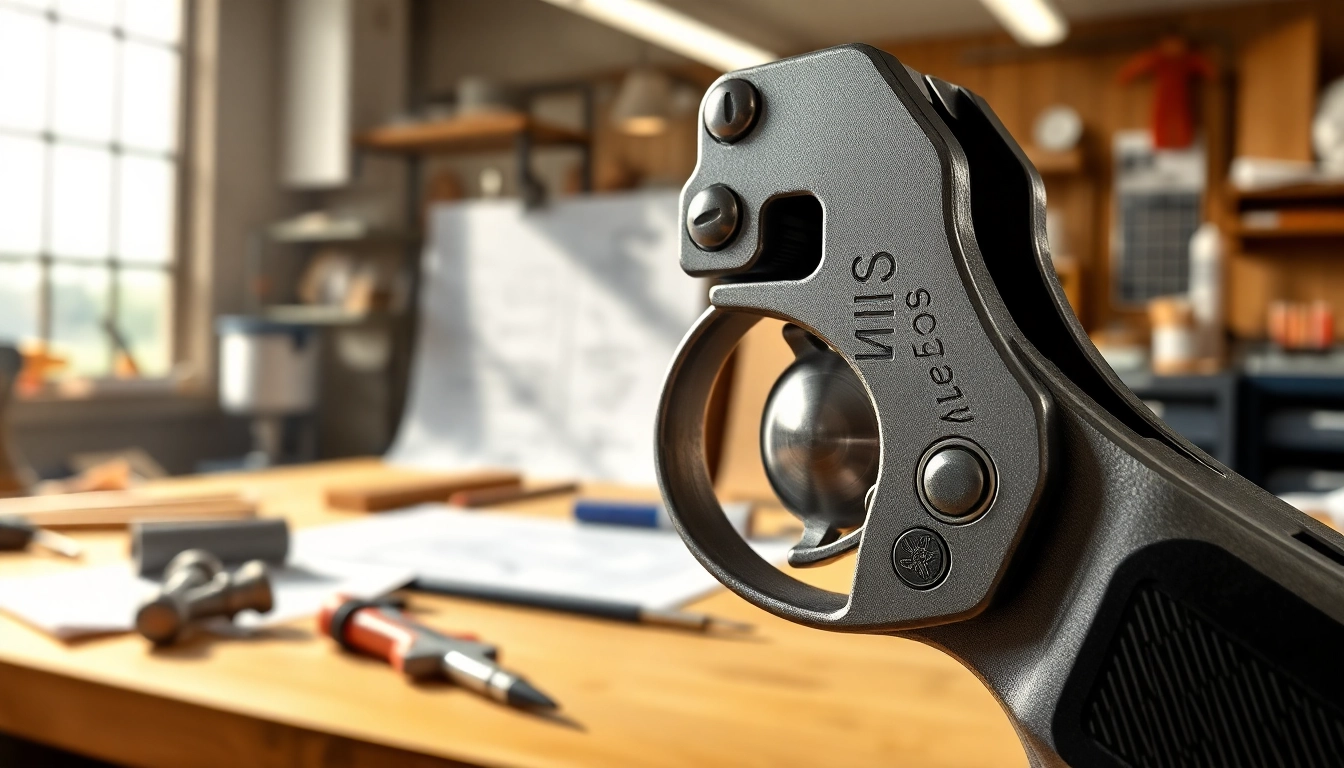
Understanding the 3 Position Forced Reset Trigger
What is a Forced Reset Trigger?
A forced reset trigger is a specialized trigger mechanism designed for firearms, significantly enhancing the shooter's operational efficiency and speed. Unlike traditional triggers that require the shooter to release and re-engage the trigger for each shot, a forced reset trigger resets automatically after a round is fired. This unique functionality allows for rapid follow-up shots with less finger movement—a crucial benefit during high-stress shooting scenarios. The 3 position forced reset trigger offers an advanced version of this concept, incorporating three sets positions to facilitate varying shooting styles.
Advantages of a 3 Position Design
The 3 position design in forced reset triggers offers multiple advantages for the shooter, combining versatility with precision. Here are some key benefits:
- Versatility: The three positions allow the shooter to adjust the trigger's responsiveness according to specific shooting preferences, whether for speed or accuracy.
- Speed: Enhanced shooting speed is a primary advantage. The forced reset mechanism enables shooters to fire as fast as they can pull the trigger, leading to improved performance in competitive scenarios.
- Reduced Finger Travel: With less travel necessary to reset the trigger, shooters can maintain better control and accuracy, particularly in dynamic environments.
- Customization: Shooters can modify their trigger settings based on their needs for different tactical situations, making the 3 position forced reset trigger an excellent choice for diverse applications.
Common Applications and Use Cases
The 3 position forced reset trigger finds applications across various sectors, including tactical shooting, competitive sports, and personal defense. Common use cases include:
- Competitive Shooting: In events like IPSC or IDPA, the ability to shoot rapidly and accurately can lead to significant performance advantages.
- Tactical Training: Military and law enforcement agencies increasingly adopt forced reset triggers for training exercises where speed and accuracy are paramount.
- Personal Defense: For civilian users, this trigger can enhance firearm handling in self-defense scenarios, allowing for quick engagements.
- Recreational Shooting: Enthusiasts often use forced reset triggers at shooting ranges to maximize their shooting experience.
Installation Guide for the 3 Position Forced Reset Trigger
Essential Tools and Materials
Before embarking on the installation of a 3 position forced reset trigger, ensure that you have the following tools and materials on hand:
- Set of screwdrivers (including torx and flathead)
- Tweezers
- Gun cleaning supplies
- Safety glasses
- 3 position forced reset trigger kit
- Proper documentation/instructions from the manufacturer
Step-by-Step Installation Instructions
Follow these detailed steps to install the 3 position forced reset trigger safely:
- Clear the Firearm: Ensure the firearm is unloaded and safe for handling. Remove any ammunition from the vicinity.
- Disassemble the Firearm: Follow the manufacturer's instructions to safely disassemble your firearm, paying particular attention to removing components that obstruct access to the trigger mechanism.
- Remove the Existing Trigger: Use the appropriate screwdriver to carefully remove the screws or pins holding the existing trigger in place.
- Install the New Trigger: Position the 3 position forced reset trigger into the firearm's trigger housing and ensure it aligns properly with the pinch and sear.
- Secure the Trigger: Replace and tighten the screws or pins to secure the new trigger in place.
- Reassemble the Firearm: Carefully reassemble your firearm, ensuring all parts are aligned and secured according to the manufacturer's specifications.
- Safety Check: Perform a function check to ensure that the gun is operating properly without ammunition.
Testing Your Installation
Once you have successfully installed your 3 position forced reset trigger, it’s crucial to test its functionality:
- Visual Inspection: double-check all connections, screws, and fitting to ensure there are no loose components.
- Dry Fire Test: Without ammunition, pull the trigger and observe the reset mechanism to verify it functions correctly.
- Function Test: When safe and legal to do so, take the firearm to a controlled shooting range to test the trigger under live fire conditions.
Improving Accuracy with the 3 Position Forced Reset Trigger
Precision Enhancement Techniques
To maximize the effectiveness and accuracy of your 3 position forced reset trigger, consider adopting the following precision enhancement techniques:
- Firm Grip: Develop a firm but relaxed grip to help manage recoil while maintaining control of the firearm.
- Consistent Stance: Establish a consistent shooting stance to facilitate better aiming and shooting posture.
- Breath Control: Implement breath control during shooting to minimize body movement, contributing to steadiness and accuracy.
Calibration Tips and Tricks
Proper calibration of the trigger can vastly improve shooting efficiency:
- Adjust According to Purpose: Depending on the intended use, adjust the trigger pull weight and distance according to personal comfort and shooting style.
- Test Fire: Periodically retest the fire to ensure the adjustments align with shooting requirements and feel.
Performance Metrics to Measure Accuracy
Monitoring accuracy is key to improvement and can be gauged through various metrics:
- Group Size: Measure the size of shot groups to determine overall shooting precision.
- Speed of Follow-Up Shots: Track how quickly multiple shots can be fired while maintaining accuracy for better performance assessment.
- Hit Rate: Calculate your hit rate during practice sessions to understand overall effectiveness.
Comparative Analysis of Triggers
Standard Triggers vs. 3 Position Forced Reset Trigger
When comparing standard triggers to the 3 position forced reset trigger, several factors come to light:
- Functionality: While standard triggers require a full reset for each shot, the forced reset trigger allows immediate firing after reset, making it ideal for dynamic shooting scenarios.
- Setup Complexity: Standard triggers are generally easier to install, but the forced reset trigger's nuanced design offers a greater reward for dedicated users.
- Versatility: The three positions of the forced reset trigger meet various shooting preferences, showcasing significant versatility over standard designs.
Performance Comparison in Various Scenarios
Performance can vary dramatically based on the trigger system utilized. In competitive environments, shooters utilizing the 3 position forced reset trigger commonly outperform those using standard triggers:
- Speed Events: In speed-centric competitions, those using forced reset triggers are consistently faster.
- Tactical Drills: In high-pressure tactical scenarios, the rapid follow-up provided by the forced reset trigger may lead to essential improvements in outcome.
Cost-Benefit Analysis
While the 3 position forced reset trigger may have a higher upfront cost compared to standard triggers, the benefits often justify the investment:
- Long-Term Performance: The enhanced speed and accuracy can improve overall shooting performance, potentially leading to better scores or reliability in critical situations.
- Customization: The adaptability offered by the three positions means that users are less likely to outgrow their gear as their skills evolve, increasing the product's lifespan and value.
FAQs about the 3 Position Forced Reset Trigger
What makes the 3 position forced reset trigger unique?
The unique 3 position mechanism allows for versatile firing, ensuring better performance in various shooting situations.
Can I install the 3 position forced reset trigger myself?
Yes, with the right tools and instructions, most enthusiasts can safely install it themselves.
What are common problems with forced reset triggers?
Issues may include misfiring or failure to reset, often due to improper installation or calibration.
How does this trigger improve shooting speed?
The rapid reset mechanism allows shooters to fire quickly with minimal finger travel, enhancing shooting speed.
Is the 3 position forced reset trigger legal?
Legal status varies by location; always consult local regulations before purchasing or using.