Understanding EV Charging Solutions
What are EV Charging Solutions?
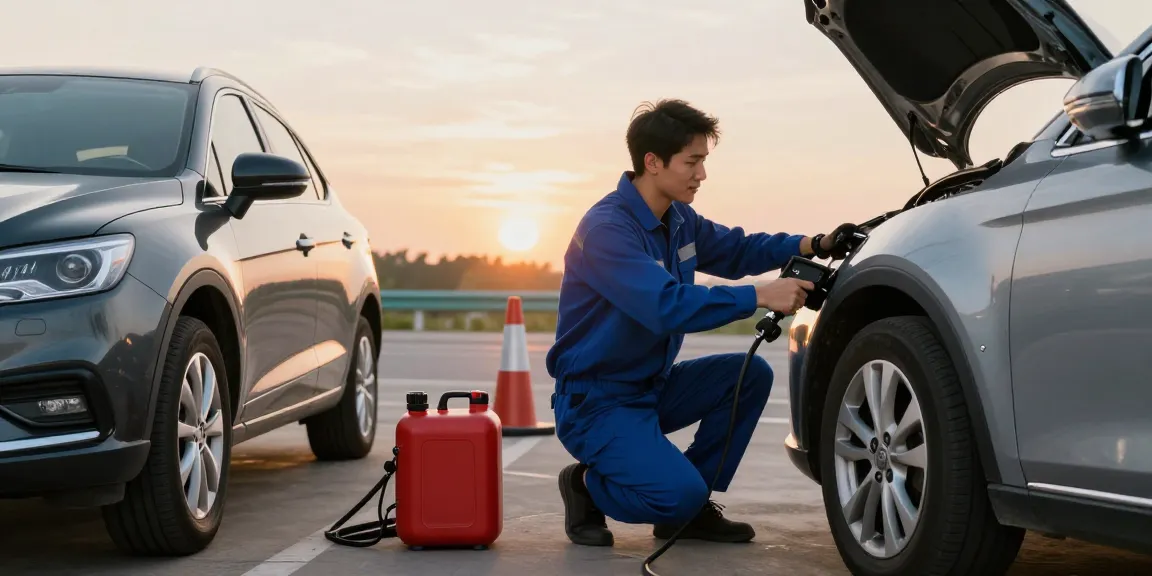
EV charging solutions encompass a range of systems designed to supply electric power for electric vehicles (EVs), facilitating their charging needs in various environments. These solutions include different types of charging equipment tailored for home, commercial, and public use. As the demand for electric vehicles increases, the development and deployment of comprehensive EV charging solutions become essential in supporting sustainable transportation systems.
Types of EV Charging Solutions
EV charging solutions can be categorized into several types, primarily distinguished by their charging speed and power output:
- Level 1 Charging: This is the most basic form of EV charging, utilizing a standard 120-volt outlet. It's suitable for home use where the vehicle can be plugged in overnight, providing approximately 4 to 5 miles of range per hour of charging.
- Level 2 Charging: Operating at 240 volts, Level 2 chargers are common in both residential and commercial settings. They deliver 10 to 60 miles of range per hour, making them ideal for quicker charging during the day.
- DC Fast Charging: Designed for commercial use, DC fast chargers can provide an 80% charge to an EV in about 30 minutes. These are critical for long-distance travel and public charging stations.
- Wireless Charging: An innovative approach, this technology allows EVs to charge without physical connections, utilizing electromagnetic fields. Though still developing, it promises convenient charging solutions for urban environments.
Benefits of EV Charging Solutions
Implementing EV charging solutions comes with numerous benefits:
- Environmental Impact: They contribute to reduced greenhouse gas emissions by facilitating the transition from fossil fuel-powered vehicles to electric alternatives.
- Economic Advantages: Businesses that provide charging stations can attract EV drivers, thus capitalizing on new revenue streams and enhancing customer loyalty.
- Energy Independence: By adopting EVs and associated charging technologies, regions can reduce reliance on foreign oil, promoting energy security.
- Urban Mobility Improvement: Public charging stations contribute to enhanced urban mobility, easing congestion, and improving access to clean transportation options.
Implementing EV Charging Solutions
Assessing Your Charging Needs
Identifying the specific charging needs is crucial for an effective EV charging implementation. This assessment should consider factors such as:
- Type of Users: Determine whether the charging stations will primarily serve residential users, commercial fleets, or public customers. Each group may have different charging needs.
- Charging Frequency: Understanding how often users will charge their vehicles helps in selecting the appropriate charging solutions.
- Range of EVs: Consider the types of EVs in your area, their battery sizes, and charging capabilities to optimize the station’s delivery.
Selecting the Right Location
The success of EV charging solutions significantly relies on their strategic placement. Key considerations when selecting the location include:
- Proximity to High Traffic Areas: Positioning charging stations near shopping centers, workplaces, and popular destinations increases usage.
- Access to Power Supply: Ensure that the site can support the necessary power capacity for the selected charging type.
- Visibility and Accessibility: Charging stations should be clearly marked and easily accessible to encourage use.
Integrating with Existing Infrastructure
Integrating EV charging solutions into existing infrastructure is crucial for maximizing efficiency and functionality. Consider the following steps:
- Compatibility with Power Grids: Evaluate existing electrical systems to ensure compatibility with new chargers, which may require upgrades.
- Smart Charging Practices: Incorporate smart technologies that allow charging stations to communicate with users or electric grids, optimizing energy use based on demand and pricing.
- Synergy with Renewable Energy Sources: If possible, couple charging solutions with solar panels or wind turbines to enhance sustainability.
Best Practices for EV Charging Solutions
Optimizing Charging Speed
To maximize user satisfaction, it's essential to optimize charging speeds. Strategies to achieve this include:
- Selecting Higher Power Chargers: Incorporate Level 2 and DC fast chargers to cater to different user needs, ensuring a mix of charging speeds.
- Implementing Smart Scheduling: Schedule charging times during off-peak hours to enhance energy efficiency, reducing costs for users.
Maintaining Charging Stations
Regular maintenance of EV charging stations is vital for reliability. Key maintenance practices include:
- Routine Inspections: Regular checks help identify and fix issues before they become significant problems, ensuring consistent uptime.
- Cleaning and Upkeep: Keeping the charging area clean and well-maintained improves user experience and safety.
User Experience Considerations
Enhancing user experience at EV charging stations includes various aspects, such as:
- Clear Signage: Provide clear, informative signage for first-time users to navigate the charging process smoothly.
- Accessible Payment Options: Offer multiple payment methods, including mobile payments, to cater to diverse preferences.
Challenges in EV Charging Solutions
Overcoming Technological Barriers
Despite the advancements in charging technology, challenges still exist, including:
- Standardization Issues: The lack of common standards for charging technologies complicates compatibility across different vehicles and charging stations.
- Infrastructure Limitations: Insufficient infrastructure in certain areas may hinder the widespread adoption of EVs.
Addressing User Concerns
Potential user concerns that need addressing include:
- Charging Reliability: Users often worry about the consistency of power supply and the availability of stations. Educating users on the increasing reliability of charging networks can assuage these fears.
- Range Anxiety: Communication about charging options and accurate data on charging times can alleviate concerns regarding vehicle range and charging station availability.
Dealing with Space Limitations
Space constraints can pose significant challenges for installing charging stations. Effective strategies to mitigate this include:
- Optimizing Parking Layouts: Rethink parking lot designs to incorporate charging stations efficiently.
- Utilizing Underutilized Spaces: Identify and convert underutilized areas, such as old gas stations or lots, into charging zones.
The Future of EV Charging Solutions
Innovations on the Horizon
The landscape of EV charging solutions continues to evolve with emerging innovations, including:
- Ultrafast Charging Technologies: Advances like 350 kW charging stations may dramatically reduce charging times, making EV usage more convenient.
- Integration with Smart Grids: Connecting EV chargers with smart grids can optimize energy distribution and enhance grid resilience.
Government Policies and Support
Government initiatives play a crucial role in the expansion of EV charging infrastructure. Expected future developments include:
- Increased Funding: Governments may offer more incentives and funding for the development of EV charging infrastructure.
- Regulatory Frameworks: Implementation of clear regulatory guidelines can support the growth and standardization of charging technologies.
Impact on Urban Planning
As cities adapt to more electric vehicles, urban planning strategies will evolve to include:
- Designating Charging Zones: Urban planners may create specific areas for charging stations as part of broader transport planning efforts.
- Encouraging Mixed-Use Development: Integrating charging stations within mixed-use developments enhances accessibility and promotes EV use.
FAQs
What are EV charging solutions?
EV charging solutions are systems that provide electric power to charge electric vehicles, available in various types and charging speeds.
Why are EV charging solutions important?
They support the growing electric vehicle market, reduce dependency on fossil fuels, and contribute to sustainable urban mobility.
How do I choose the right EV charging solution?
Consider factors like charging speed, location, user needs, and integration with existing infrastructure for optimal selection.
What are common issues with EV charging solutions?
Challenges can include user concerns about charging reliability, technological limitations, and physical space for installation.
What is the future of EV charging solutions?
The future promises advancements in technology, expanded infrastructure, and supportive government policies to enhance usage.