Introduction to Hardwood Veneer Sheets
Hardwood veneer sheets are an excellent choice for various woodworking projects, providing an aesthetic appeal while maximizing the resource efficiency of hardwood trees. Understanding the nuances of these sheets can help both DIY enthusiasts and professional woodworkers achieve stunning results. In this article, we will explore the essentials of hardwood veneer sheets, including their benefits, applications, types, and maintenance, to help you make informed choices for your projects. Visit hardwood veneer sheets for more information and resources.
What are Hardwood Veneer Sheets?
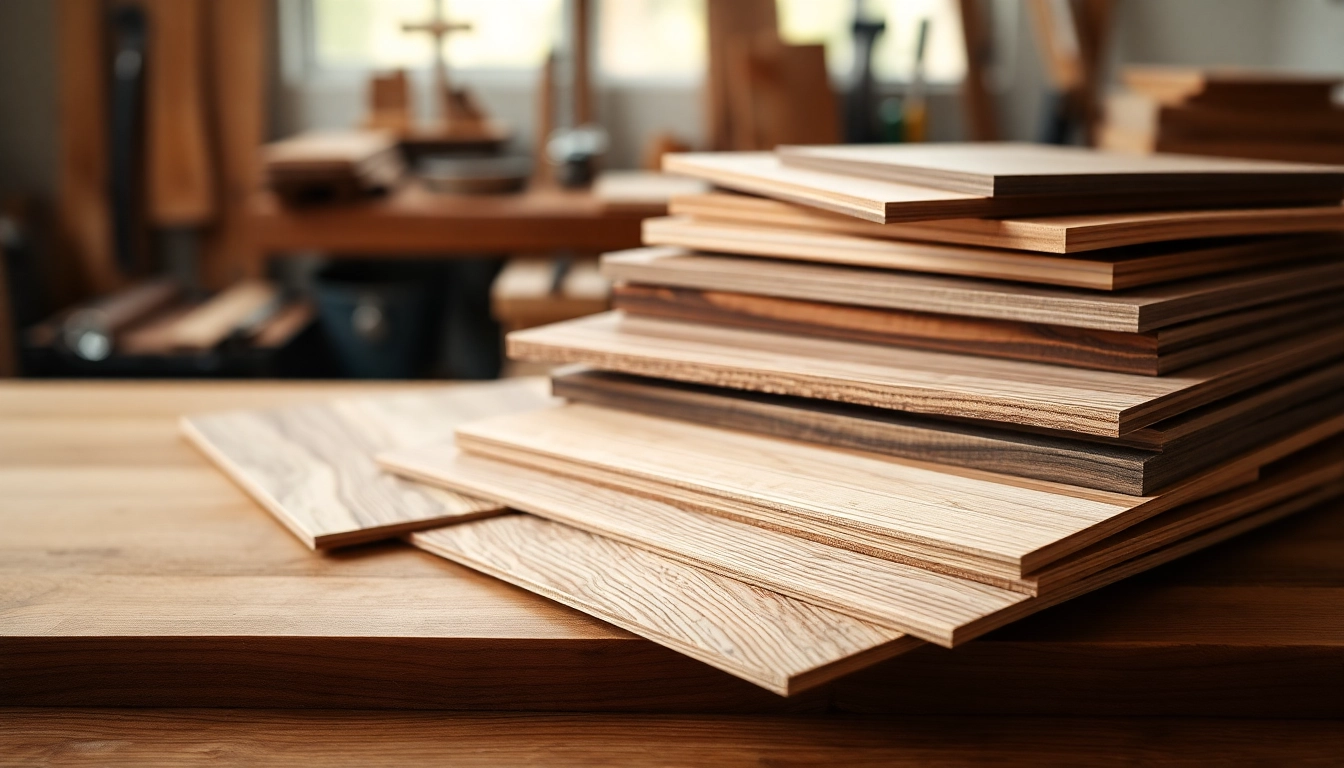
Hardwood veneer sheets are thin slices or layers of hardwood that are glued onto core panels (like wood, particle board, or medium-density fiberboard) to produce flat panels such as doors, tops, and panels for cabinets, parquet floors, and parts of furniture. Typically, these sheets are manufactured in thicknesses ranging from 0.5 mm to 3 mm. They can be aesthetically pleasing and allow for a broad range of looks by showcasing the natural grain patterns of the wood.
Benefits of Using Hardwood Veneer Sheets
The primary benefits of utilizing hardwood veneer sheets include:
- Aesthetic Appeal: Veneers allow you to use high-quality hardwood for a fraction of the cost of solid wood.
- Weight Efficiency: Veneer sheets are much lighter than solid wood, making them easier to handle.
- Resource Conservation: They help preserve precious hardwood species by using less material.
- Design Versatility: Various species and finishes can be utilized, providing vast design options.
- Stability: Less likely to warp compared to solid wood, especially when applied to composite substrates.
Common Uses for Hardwood Veneer Sheets
Hardwood veneer sheets are incredibly versatile and commonly used in:
- Furniture: Perfect for tabletops, cabinet doors, and drawer fronts.
- Wall Panels: Enhances interior aesthetics with rich finishes.
- Decorative Applications: Used for embellishing various woodworking crafts.
- Doors: Provides an elegant finish for interior and exterior doors.
- Musical Instruments: Many high-end instruments are finished with hardwood veneers for sound quality and aesthetics.
Types and Variations of Hardwood Veneer Sheets
Domestic Vs. Exotic Hardwood Veneer Sheets
Hardwood veneer sheets can be categorized into domestic and exotic types:
- Domestic Veneers: Sourced from locally available hardwoods such as oak, maple, pine, and cherry. They are often more affordable and widely used in furniture production.
- Exotic Veneers: Derived from rare trees like mahogany, teak, and rosewood, they offer unique aesthetics and wood grain patterns. While more expensive, they can add significant value to high-end projects.
Thickness and Size Variations of Hardwood Veneer Sheets
Veneer sheets come in varying thicknesses and sizes depending on their intended use:
- Thickness: Common options are 0.5mm, 1mm, 1.5mm, and up to 3mm.
- Size: Typically available in sizes like 4’x8’ or 2’x4’, but custom sizes can often be ordered.
Finishing Options for Hardwood Veneer Sheets
Finishing is key to enhancing the beauty and durability of hardwood veneer sheets. Options include:
- Staining: Enhances color and grain depth.
- Sealing: Protects from moisture and damage.
- Polishing: Adds a shiny, upscale finish.
- Coating: Using polyurethane or lacquer for enhanced durability.
How to Choose the Right Hardwood Veneer Sheets
Identifying Quality in Hardwood Veneer Sheets
When selecting hardwood veneer sheets, consider:
- Grain Pattern: Check for uniformity and natural beauty.
- Moisture Content: Ensure it's at an appropriate level to prevent warping.
- Backing Material: Choose laminate, paper, or wood backing based on project requirements.
Best Practices for Selecting Hardwood Veneer Sheets
Follow these best practices for optimal selection:
- Understand the Use: Know your project's needs and requirements before purchasing.
- Compare Options: Review various species and finishes for the best aesthetic match.
- Purchase Samples: Ordering small samples will let you gauge the quality firsthand.
Cost Considerations for Hardwood Veneer Sheets
Cost can vary widely based on species, thickness, and source. Generally, expect to pay more for exotic types, while domestics are usually more affordable. Be sure to factor in shipping costs and any additional fees based on the supplier's location and bulk discounts.
Application Techniques for Hardwood Veneer Sheets
Tools and Supplies Needed for Applying Hardwood Veneer Sheets
To apply hardwood veneer sheets, you will need the following tools and materials:
- Adhesives, like PVA glue or contact cement.
- Trimming tools for clean edges.
- A veneer saw or utility knife for precise cuts.
- Rollers or brushes for applying adhesive evenly.
- Clamps to ensure a tight bond during the drying process.
Step-by-Step Guide to Applying Hardwood Veneer Sheets
Follow these steps to successfully apply hardwood veneer sheets:
- Prepare the substrate by sanding and cleaning it thoroughly.
- Measure and cut the veneer sheets to the desired size, allowing for excess around the edges.
- Apply adhesive evenly to both the substrate and the veneer sheet.
- Press the veneer onto the substrate, using rollers to eliminate air pockets.
- Clamp the piece securely and allow it to dry according to adhesive instructions.
- Trim excess veneer after it has dried.
- Finish edges and surface as needed.
Common Mistakes to Avoid with Hardwood Veneer Sheets
Avoid these pitfalls for a successful veneering process:
- Neglecting surface preparation can lead to poor adhesion.
- Using inappropriate adhesives may result in bubbling or lifting.
- Forgetting to account for grain direction can affect the finished appearance.
- Not allowing sufficient time for drying can compromise the bond.
Maintaining and Caring for Hardwood Veneer Sheets
Cleaning and Upkeep for Hardwood Veneer Sheets
Regular cleaning is vital for maintaining the beauty of hardwood veneers:
- Use a soft, damp cloth to wipe down surfaces.
- Avoid harsh chemicals that can damage the finish or wood.
- When necessary, a wood-specific cleaner can be used for deeper cleaning.
Repairing Damaged Hardwood Veneer Sheets
If damage occurs, minor repairs can be managed through the following methods:
- Use wood filler for scratches or small dents.
- Resplice the veneer if a larger area is damaged, using an appropriately cut piece.
- For water stains, gently sand the affected area and re-stain.
Long-term Care Strategies for Hardwood Veneer Sheets
For long-lasting durability, adopt these care strategies:
- Keep the environment stable with controlled humidity and temperature.
- Avoid direct sunlight to prevent fading and warping.
- Re-finish surfaces every few years to maintain their luster and protection.
Frequently Asked Questions
What are hardwood veneer sheets made from?
Hardwood veneer sheets are thin slices of hardwood, typically glued onto a substrate like MDF or plywood to create durable and attractive surfaces.
How thick are hardwood veneer sheets?
Hardwood veneer sheets typically range in thickness from 0.5mm to 3mm, depending on their intended application.
Can I stain hardwood veneer sheets?
Yes, hardwood veneer sheets can be stained to enhance their natural color and grain, just like solid wood.
Are hardwood veneer sheets durable?
Yes, when properly applied and finished, hardwood veneer sheets are durable and resistant to warping compared to solid wood.
How do I repair scratched hardwood veneer sheets?
Scratches in hardwood veneer can be repaired with wood filler or sanding followed by re-staining. For large damages, consider replacing the affected veneer section.