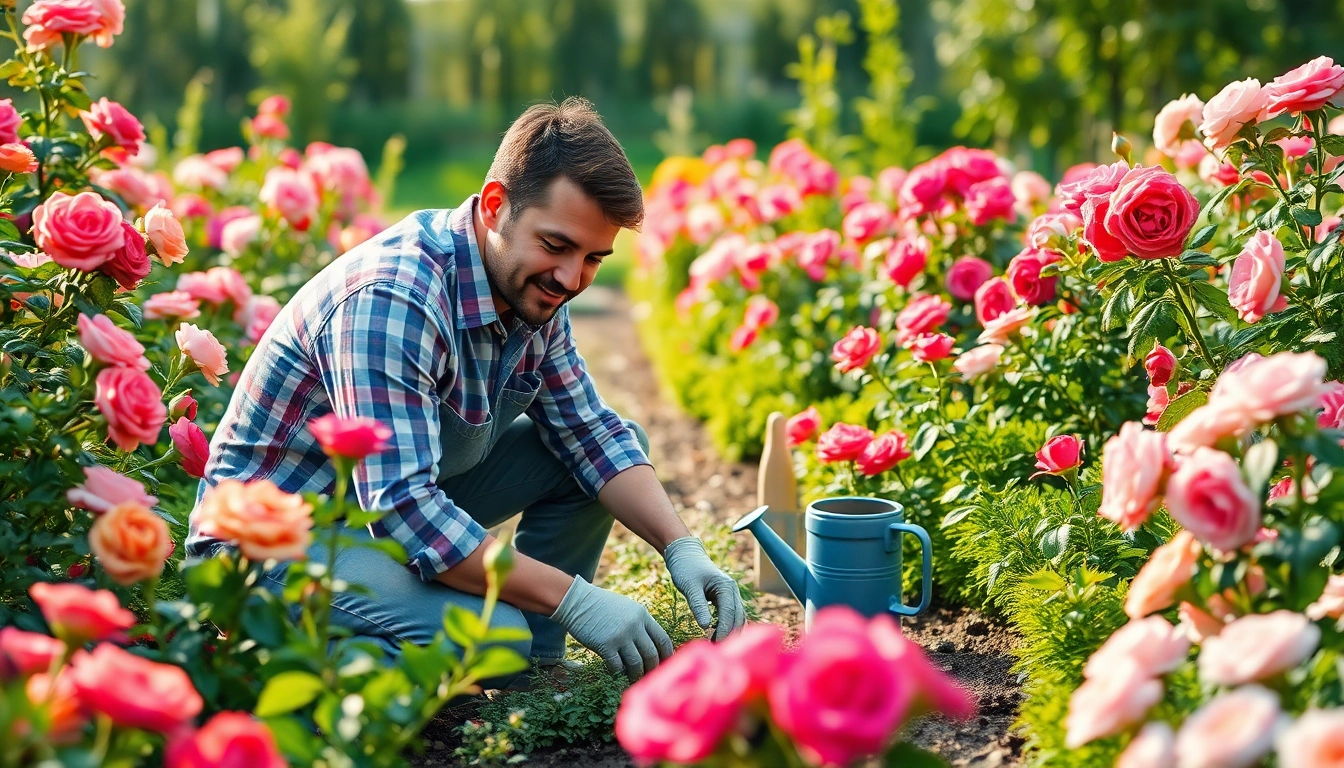
Understanding the Basics of Gardening
Gardening is both an art and a science that involves cultivating plants for food, beauty, and environmental benefit. It provides immense joy and satisfaction, offering opportunities to grow nutritious crops and ornamental plants while also engaging with nature. For those who are just beginning or desiring to improve their gardening prowess, learning the basics is essential. In this guide, we will delve into foundational aspects of Gardening, ensuring you have a solid understanding to nurture your green space effectively.
Defining Gardening and Its Benefits
Gardening can be broadly defined as the act of growing and cultivating plants. This includes vegetables, fruits, herbs, flowers, and shrubs, typically within a designated area. The benefits of gardening extend beyond the aesthetic appeal of flowers or the taste of fresh vegetables. Engaging in gardening has proven psychological benefits, such as stress relief, enhanced mood, and a sense of accomplishment. It contributes to physical health as well, encouraging exercise and outdoor activity.
Furthermore, gardening supports biodiversity, aids in air purification, and contributes to food security by allowing communities to grow their own produce. This practice fosters environmental awareness and a deeper connection to eco-sustainability, making it a multifaceted activity with profound impacts on individuals and communities alike.
Essential Tools for Successful Gardening
Having the right tools significantly enhances your gardening experience. Essential tools include:
- Hand trowel: Perfect for digging, planting, and removing weeds.
- Pruners: Ideal for trimming and shaping plants to promote healthy growth.
- Garden fork: Useful for loosening soil, turning compost, and aerating.
- Garden gloves: Protect your hands from thorns, dirt, and blisters.
- Watering can or hose: Essential for providing adequate hydration to your plants.
- Rake and shovel: Important for clearing debris and moving soil.
Investing in quality tools not only improves efficiency but also ensures longevity and better results in your gardening endeavors. Remember, taking care of your tools will extend their lifespan and maintain optimal performance.
Choosing the Right Location for Your Garden
Choosing the right location is critical to the success of your garden. Factors to consider include:
- Sunlight: Most plants require 6-8 hours of sunlight per day, so choose a location that receives ample natural light. Observe the sun’s path throughout the day to gauge sunlight patterns.
- Soil Quality: Test the soil for pH and nutrient levels. Ideally, you want rich, loamy soil that provides good drainage.
- Water Accessibility: Select spots that are easy to water. Proximity to a water source can significantly reduce effort.
- Protection from Wind: Consider natural barriers such as walls or hedges that can shield your plants from harsh winds.
Locating your garden thoughtfully not only supports plant health but also simplifies maintenance activities.
Essential Techniques for Happy Plants
Once you have established your garden's foundations, it is pivotal to apply essential techniques that ensure your plants flourish. Each aspect of plant care contributes to overall health and vitality.
Soil Preparation and Improvement Techniques
The foundation of any good garden is its soil. Well-prepared soil will provide the nutrients necessary for plants to thrive. Begin by testing your soil to determine its pH balance and nutrient content. Based on the results, you can amend your soil with organic matter such as compost, well-rotted manure, or peat moss, which enhance soil structure and fertility.
Regular tilling and aerating of the soil improve drainage and root penetration. If your soil is compacted, incorporating sand or coarse organic matter can help improve its texture. Additionally, utilizing cover crops, such as clover or barley, during the off-season can prevent erosion and replenish soil nutrients.
Watering Tips for Optimal Plant Growth
Watering your plants correctly is crucial. Overwatering and underwatering are common pitfalls that can harm your plants. The following strategies can help you refine your watering technique:
- Frequency: Water deeply but less frequently—aim for once or twice a week instead of daily to encourage deep root growth.
- Timing: Water in the early morning or late afternoon to minimize evaporation losses, allowing more moisture to reach the roots.
- Soil Moisture Monitoring: Use a moisture meter or just your finger to assess soil moisture before watering; the top inch of soil should feel dry.
Implementing these tips ensures your plants receive optimal hydration, reducing stress and enhancing growth.
Understanding Sunlight Requirements for Different Plants
Understanding the specific sunlight needs of your plants is essential for optimal growth. Different plants have varying requirements:
- Full Sun: Requires at least 6 to 8 hours of direct sunlight daily (e.g., tomatoes, peppers, and lavender).
- Partial Shade: Prefers 4 to 6 hours of sunlight, ideally in the morning (e.g., lettuce, spinach, and snap peas).
- Full Shade: Thrives in areas with less than 4 hours of sunlight (e.g., ferns, hostas, and caladiums).
By strategically placing your plants based on their sunlight needs, you promote vigorous growth and flowering.
Choosing Plants That Thrive in Your Environment
The selection of plants is crucial in determining the success of your gardening efforts. Opting for the right plants can lead to less maintenance and a thriving garden.
Selecting Native Plants for Easy Maintenance
Native plants are well-adapted to local climate conditions, soil types, and pests. By choosing native flora, you can create a low-maintenance garden that thrives with minimal intervention. These plants typically require less water and no chemical fertilizers, making them environmentally friendly.
Research local native species and consider species that provide additional benefits, such as attracting pollinators or deep rooting systems that help prevent erosion.
Grouping Plants by Similar Needs
Grouping plants with similar sunlight, water, and soil requirements allows for efficient gardening practices. This strategy, known as companion planting, can also enhance growth and health. For example, planting basil with tomatoes can improve the flavor of tomatoes and deter certain pests.
Additionally, consider vertical gardening techniques where suitable plants can be interspersed to maximize space and aesthetic appeal while promoting mutual growth.
Understanding Seasonal Planting for Better Yields
Different plants have specific growing seasons that influence their yield. Timing your planting appropriately can significantly improve your harvest. For instance, cool-season crops like spinach and peas are best planted in early spring, while warm-season crops like tomatoes and peppers thrive when temperatures have stabilized.
Utilizing crop rotation and succession planting strategies can optimize yields and reduce pest pressure, ensuring your garden is productive throughout multiple seasons.
Organic Gardening Practices for Healthier Plants
Adopting organic gardening techniques is beneficial for both the environment and the health of your plants. These practices foster a healthier ecosystem within your garden, yielding high-quality produce.
Implementing Natural Pest Control Methods
Managing pests naturally eliminates the need for harmful chemicals, preserving the health of your garden. Here are effective methods:
- Beneficial Insects: Introduce predators like ladybugs and lacewings that feed on aphids and other pests.
- Neem Oil: Utilize this natural insecticide to disrupt pest reproduction without damaging your plants.
- Trap Crops: Plant sacrificial crops that attract pests away from your desired plants.
By being proactive, establishing a balanced ecosystem, and regularly monitoring your crop health, you can significantly reduce pest issues.
Benefits of Composting in Gardening
Composting is a vital practice in organic gardening that enhances soil structure and fertility. Compost provides essential nutrients, retains moisture, and increases microorganism activity within the soil.
Start composting kitchen scraps (fruits and vegetables), yard waste, and paper products. Create a balance of greens (nitrogen-rich materials) and browns (carbon-rich materials) to foster an effective composting environment. Regularly turning your compost aids in aeration and accelerates decomposition.
Using well-aged compost in your garden can drastically improve plant health and productivity, creating a rich foundation for years to come.
Using Organic Fertilizers Effectively
While synthetic fertilizers can provide immediate results, organic fertilizers offer long-term benefits and sustainability. Here are ways to use them effectively:
- Compost Tea: Dilute compost in water and use it as a nutrient-rich fertilizer for plants.
- Bone and Blood Meal: High in nitrogen and phosphorous, these can boost plant growth and flowering when used correctly.
- Fish Emulsion: A quick-release organic fertilizer that provides a boost of nutrients, especially for leafy greens and vegetables.
Pay attention to your plants' specific nutrient needs and adjust your fertilization schedule accordingly for optimal results.
Advanced Gardening Strategies for Enthusiasts
For those looking to take their gardening to the next level, there are advanced strategies that can yield impressive results.
Creating a Sustainable Gardening System
A sustainable gardening system operates in harmony with nature, minimizing waste and resource consumption. Implement permaculture principles, creating a self-sustaining ecosystem where plants, animals, and soil work together efficiently.
Practices include planting perennials, utilizing rainwater harvesting, and creating habitats for beneficial wildlife. Reducing tillage and enhancing biodiversity will promote a resilient garden environment that withstands environmental stressors.
Techniques for Vertical Gardening in Limited Spaces
As urbanization continues, utilizing vertical gardening techniques allows you to maximize limited space. Vertical gardens can consist of trellises, wall planters, or vertical planters that enable the growth of climbing plants like cucumbers and beans.
By creating layers and utilizing wall space, you can increase your garden's yield without expanding your footprint. Ensure proper support and maintenance for your vertical systems to keep your plants thriving.
Exploring Hydroponics for Year-Round Gardening
Hydroponics involves growing plants without soil, substituting nutrient-rich solutions instead. This technique is often praised for maximizing space and promoting faster growth rates. A hydroponic system can be established indoors or outdoors, allowing for year-round gardening regardless of external weather conditions.
Investing in hydroponic kits or building your own system can revolutionize your growing experience, letting you cultivate fresh produce no matter the season. Regular monitoring of pH and nutrient levels is essential in maintaining a healthy hydroponic environment.
Conclusion
Gardening is a deeply rewarding practice that gets you closer to nature and nourishes both body and mind. With the foundational knowledge of gardening techniques, tools, and best practices outlined in this guide, you're now equipped to create and maintain a thriving garden. Whether you’re a beginner or an experienced gardener, remember that patience and care are key to enjoying the fruits of your labor. Happy gardening!