Understanding Gardening Basics
What is Gardening?
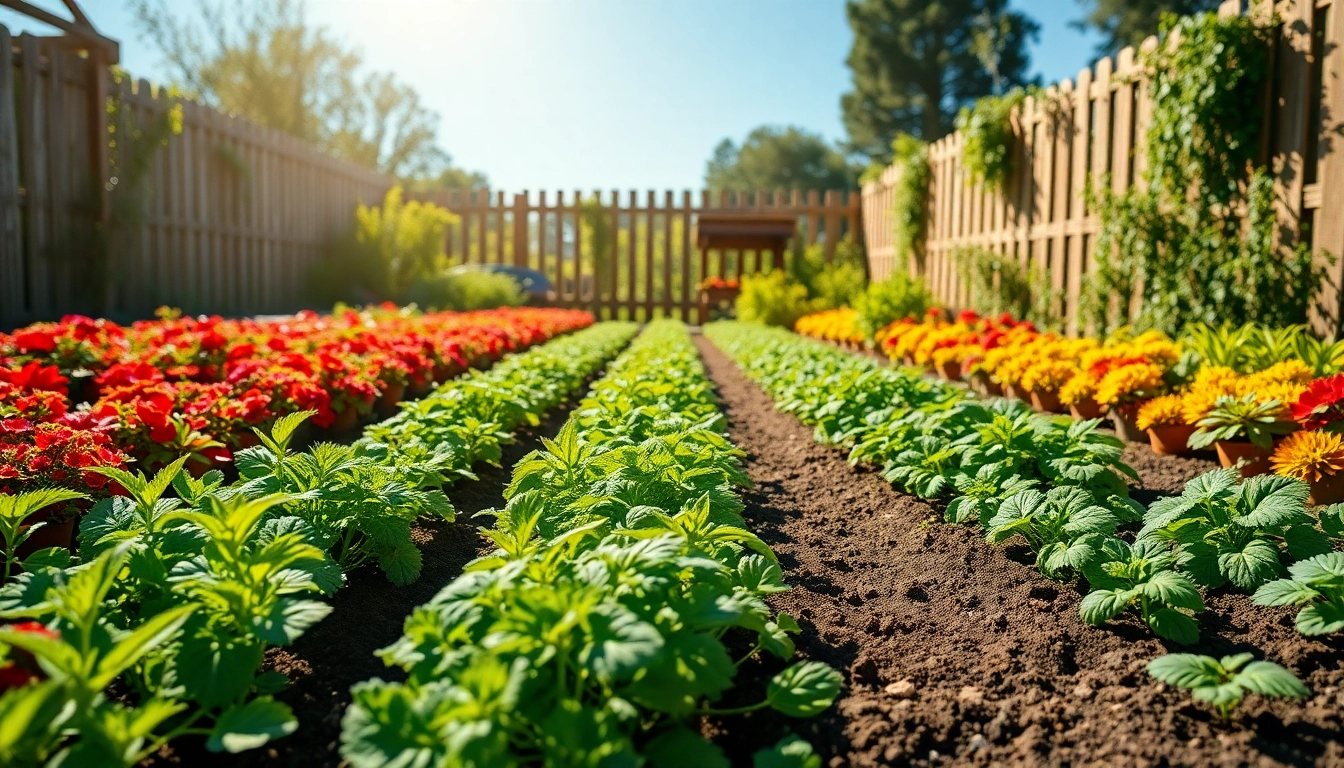
Gardening is the art and science of cultivating plants for food, beauty, and enjoyment. It encompasses a variety of practices, including landscaping, horticulture, and the maintenance of green spaces. Whether it involves growing vegetables, flowers, or herbs, the core of gardening lies in creating a sustainable environment where plants can grow and thrive. To start this wonderful journey, one should recognize gardening not just as a hobby, but as a rewarding activity that can enhance both the aesthetic and functional aspects of any living space. With proper techniques, anyone can take part in this fulfilling endeavor—in fact, the globally shared interest in Gardening brings together people from various backgrounds and skill levels.
The Benefits of Gardening
Engaging in gardening provides an array of benefits, both physical and mental. Physically, it offers a great workout, as activities such as digging, planting, and weeding can significantly improve cardiovascular health and muscle strength. Additionally, growing your own food encourages the consumption of fresh produce, which can lead to healthier eating habits.
Mental health benefits are equally vital. Gardening has been proven to reduce stress, alleviate symptoms of anxiety and depression, and foster a sense of accomplishment and purpose. Spending time in nature and caring for plants can be profoundly therapeutic, allowing individuals to connect with the environment on a deeper level.
Moreover, gardening promotes ecological awareness as individuals learn about sustainable practices, plant biology, and the importance of biodiversity. Whether one is growing a few herbs on a windowsill or managing a sprawling vegetable garden, the fulfillment derived from nurturing living organisms is universal and transformative.
Essential Tools for Gardening
To ensure a successful gardening experience, having the right tools is essential. Here’s a list of fundamental gardening tools every gardener should consider:
- Hand Tools: Essential tools such as trowels, pruners, and weeders are crucial for planting, trimming, and maintaining your garden.
- Gloves: Protect your hands from dirt and thorns, making gardening more comfortable and enjoyable.
- Watering Equipment: Choose between watering cans and hoses, or consider installing a drip irrigation system for efficiency.
- Shovels and Spades: Useful for digging and turning soil, these tools are indispensable when preparing garden beds.
- Rakes and Hoes: Crucial for soil preparation and weed management, these tools help keep your garden looking neat.
Having the right tools enables gardeners to work more efficiently, and as they gain experience, they may discover specialized equipment that aligns with their gardening goals.
Planning Your Garden Layout
Choosing the Right Location
The location of your garden is a critical determinant of its success. Various factors should be considered when selecting the right spot:
- Sunlight: Most plants thrive in full sun, needing at least 6-8 hours of sunlight a day. Observe your yard patterns to find the sunniest spots.
- Drainage: Ensure the area does not retain water, as soggy soil can negatively affect root systems. Raised garden beds are often beneficial in poorly draining soils.
- Accessibility: Plan for paths and accessibility to easily tend to plants, especially for larger gardens.
- Protection from Wind: If feasible, consider natural windbreaks like fences or trees to shield delicate plants.
Choosing an appropriate location lays the foundation for a healthy and thriving garden.
Designing Effective Garden Beds
Once the location is selected, it’s time to design your garden beds. Consider the following principles:
- Raised Beds: These offer improved drainage, better soil control, and easier access for planting and weeding.
- Grid Layout: Define specific areas for different plants to optimize space through efficient arrangement.
- Companion Planting: Research which plants thrive together to maximize plant health and reduce pests.
Designing a garden involves strategic planning, which encourages a more productive and aesthetically appealing space.
Grouping Plants for Success
Strategically grouping plants is essential for optimizing growth and reducing competition for nutrients. Here are several approaches:
- Height Arrangement: Place tall plants at the back of beds and shorter plants in the front to ensure all receive sunlight.
- Color Coordination: Grouping plants by color can enhance visual appeal and create a cohesive theme.
- Seasonal Planting: Consider staggered planting to ensure the garden retains a bounty of blooms and harvestable crops throughout the growing season.
Effective grouping leads to a more harmonious garden that not only looks pleasing but is also more productive.
Soil Preparation and Maintenance
Testing Your Soil Quality
Soil quality is paramount in gardening success. Testing the soil allows gardeners to understand its composition and pH level, therefore guiding amendments effectively:
- Soil Test Kits: Available at garden centers, these kits help assess nutrient levels, pH, and organic matter content.
- Interpreting Results: Understand what each measurement signifies and identify needed amendments for optimal plant growth.
- Local Extension Services: Many universities offer soil testing with expert advice on improving soil quality.
Testing your soil is an essential first step, as it lays the groundwork for all subsequent gardening practices.
Improving Soil Health
Healthy soil fosters healthy plants. Below are ways to enhance soil quality:
- Organic Matter: Incorporate compost, well-rotted manure, or leaf mold to boost nutrient content and improve drainage.
- Cover Crops: Using cover crops during the off-season can enhance soil structure and prevent erosion.
- Crop Rotation: Practice rotating crops annually to prevent nutrient depletion and disrupt pest cycles.
Investing time to improve soil health leads to thriving plants and abundant harvests.
Understanding Soil pH Levels
Soil pH is an important factor in nutrient uptake. Most plants prefer a pH between 6.0 and 7.5:
- Acidic Soils: If pH is below 6.0, adding lime can help raise the level.
- Alkaline Soils: If pH is above 7.5, adding sulfur can help to lower it.
- Testing Methods: Regularly test soil pH using kits or simple methods to ensure it's within optimal range.
Understanding soil pH levels can guide nutrient management, resulting in stronger, healthier plants.
Perfecting Planting Techniques
Selecting the Right Plants for Your Garden
Not all plants suit every gardening environment. When selecting plants, consider the following:
- Climate Suitability: Choose species that thrive in your local climate and are resilient to local weather conditions.
- Soil Type: Understanding the soil type (sandy, clay, loam) will guide plant selection.
- Sunlight Requirements: Ensure the chosen plants match the sunlight conditions in your selected garden area.
By planting the right species for the right conditions, gardeners can reduce stress on plants and increase their chances of thriving.
Methods of Planting Seeds and Seedlings
Proper planting techniques can vastly influence the success of your garden:
- Seed Sowing: Direct sowing seeds into the soil or starting them indoors—be sure to follow recommended planting depth and spacing.
- Transplanting Seedlings: When transferring seedlings, handle them by the leaves to minimize transplant shock.
- Post-Planting Care: Water promptly after planting and provide shade for young seedlings if planted during hot weather.
Mastering planting techniques maximizes plant health from the outset, enhancing garden productivity.
Watering and Fertilizing Best Practices
A strategic approach to watering and fertilizing adopts precision for optimal results:
- Watering Schedule: Aim for deep, infrequent watering to encourage deep root growth while avoiding waterlogged conditions.
- Fertilization: Fertilize based on soil test results, utilizing slow-release fertilizers to maintain nutrient levels efficiently.
- Organic Options: Consider organic fertilizers like compost tea or fish emulsion to provide nutrients naturally.
Understanding how best to water and fertilize ensures plants receive the necessary care while minimizing waste and environmental impact.
Harvesting and Seasonal Care
Signs of Readiness for Harvesting
Determining when to harvest is crucial for maximizing flavor and nutrition. Key indicators vary by plant type:
- Color Changes: Fruits and vegetables often change color when ripe, serving as a strong indicator for harvest time.
- Texture: Testing for firmness or softness can also indicate readiness—this is particularly true for fruits.
- Flavor Testing: Sampling the produce is often the best way to gauge the ideal time to harvest, especially for leafy greens and herbs.
Knowledge of specific ripening indicators allows for timely harvesting, which can significantly enhance the quality of the produce.
Post-Harvest Plant Care
Proper care following harvest ensures a sustainable and productive garden year after year:
- Pruning: After harvesting, prune back plants to encourage new growth and improve air circulation.
- Crop Residue: Remove dead plants and debris promptly to reduce disease and pest problems.
- Soil Amendments: Consider adding organic matter or cover crops to replenish soil for the next planting cycle.
Post-harvest care establishes the foundation for future harvests, ensuring ongoing productivity and plant vitality.
Planning for Future Harvest Seasons
Successful gardening is a continuous cycle. Planning for future harvests begins by assessing the current garden season:
- What Worked: Reflect on successful varieties and planting techniques from the current season and take notes for improvement.
- Rotation Planning: Consider crop rotation to prevent soil depletion and reduce pest problems.
- Season Extensions: Explore techniques such as using cold frames or row covers to extend the growing season.
By carefully planning for the future, gardeners can optimize their harvests and ensure their gardening endeavors remain fruitful over time.