Understanding the Basics of Gardening
Gardening has evolved from a simple hobby to a holistic activity that provides numerous benefits for the mind and body. Whether you are nurturing a few pots on your balcony or cultivating a vast backyard garden, understanding the essentials of gardening can enhance your experience and improve your yield. This article explores the core aspects of gardening, equipping you with knowledge to create a thriving green space. You can start your journey into the world of Gardening with a solid foundation by knowing what gardening entails and how to navigate common misconceptions that may deter you from enjoying this fulfilling activity.
What is Gardening?
At its core, gardening is the practice of cultivating various plants such as flowers, vegetables, fruits, and herbs. It encompasses a range of activities from soil preparation and planting to maintenance and harvesting. The beauty of gardening lies in its versatility; you can adapt your practices based on available space, climate, and personal preferences, allowing anyone, regardless of experience, to find joy in nurturing plants. From container gardening in small spaces to expansive landscaping projects, gardening is a universal art form and a practical way to elevate your surroundings.
The Benefits of Gardening for Mind and Body
Gardening is not just about growing plants; it is a therapeutic activity that offers a plethora of benefits for both mental and physical health. Numerous studies reveal that engaging with nature stimulates positive emotions and reduces stress. Here are some key advantages of gardening:
- Stress Relief: Spending time outdoors and interacting with plants can significantly lower stress levels, promoting relaxation.
- Exercise: Digging, weeding, and planting are all forms of physical exercise, contributing to improved fitness and strength.
- Connection with Nature: Gardening fosters a deep connection with the environment, enhancing your appreciation for biodiversity and ecological health.
- Creative Expression: Designing your garden layout or selecting plants offers an outlet for creativity, allowing you to showcase your unique style.
- Community Engagement: Gardening can also be a social activity, providing opportunities to connect with neighbors and local gardening groups, strengthening community ties.
Common Gardening Myths Debunked
Despite its popularity, gardening is surrounded by misconceptions that can discourage newcomers. Here are some common myths and the realities behind them:
- Myth 1: Gardening is too hard and requires special skills. In reality, anyone can start gardening by following simple guidelines and gradually learning through practice.
- Myth 2: You need a large space to grow a garden. Many successful gardeners thrive in small spaces using containers and vertical gardening techniques.
- Myth 3: Gardening takes a lot of time. While maintenance is required, establishing a low-maintenance garden can save you time in the long run.
- Myth 4: Organic gardening is less productive. Many organic methods can yield equal or greater harvests than conventional methods, while also improving soil health.
Choosing the Right Plants for Your Garden
Selecting the right plants is crucial to the success of your garden. The choice of plants influences not only the aesthetics but also the health and sustainability of your garden. As you embark on this journey, consider several important factors.
Factors to Consider When Selecting Plants
When you choose plants for your garden, keep in mind the following factors to ensure a thriving environment:
- Climate: Understand the climate in your area and select plants that can thrive in those conditions. Research USDA hardiness zones to help with your selection.
- Soil Type: Different plants require varying soil conditions. Conduct a soil test to determine pH levels and nutrient availability.
- Sunlight: Most plants thrive in specific light conditions (full sun, partial shade, etc.). Assess the sunlight your garden receives during different times of the day.
- Maintenance Level: Choose plants that match your willingness to put in time and effort. Some plants require more care than others.
- Purpose: Decide what you want to achieve. Do you want a flower garden for beauty, vegetables for food, or a combination of both?
Best Plants for Beginners and Their Care
If you're new to gardening, starting with easy-to-grow plants can lead to early successes and boost your confidence. Here are some recommended plants for beginners:
Vegetables
- Radishes: Fast-growing and require minimal maintenance.
- Lettuce: Thrives in cooler weather and can be harvested continuously.
- Carrots: Simple to grow from seed; ensure consistent moisture.
- Tomatoes: Need a sunny spot and are rewarding with minimal pest issues.
Flowers
- Sunflowers: Hardy and great for attracting pollinators.
- Marigolds: Easy to grow from seed and help deter pests.
- Pansies: Resilient, colorful, and available in various shades.
- Zinnias: Require little maintenance and bloom all summer.
Companion Planting and Biodiversity in Gardening
Companion planting is the practice of planting certain species together to enhance growth, deter pests, and promote a balanced ecosystem. Here are some effective combinations:
- Planting tomatoes with basil can enhance flavor and repel pests.
- Carrots and onions benefit from reduced pests when grown together.
- Beans can fix nitrogen in the soil, which helps benefit corn and squash.
This approach encourages biodiversity and a healthier garden environment, leading to improved plant resilience. Implementing companion planting not only aids growth but also allows for efficient use of space and resources.
Garden Design and Layout Strategies
Effective garden design is essential for aesthetics, accessibility, and the health of your plants. Thoughtful planning can optimize the use of space and enhance the visual appeal of your garden.
Planning Your Garden Layout Effectively
Start by sketching your garden layout. This initial step helps visualize plant placements based on their needs:
- Zoning: Group plants according to their light and water needs. This prevents competition and promotes healthy growth.
- Accessibility: Ensure paths are wide enough to navigate easily for maintenance and harvesting.
- Height Variation: Layer taller plants at the back and shorter ones in front. This ensures even sunlight distribution and aesthetic balance.
Vertical Gardening Techniques for Small Spaces
If space is limited, vertical gardening offers a brilliant solution. Techniques include:
- Trellises: Support climbing plants like peas, cucumbers, and beans.
- Wall Planters: Utilize wall-mounted pots for growing herbs and small flowers.
- Hanging Baskets: Perfect for trailing plants such as strawberries or flowers.
- Vertical Frames: Create a modular framework to stack plants in various arrangements.
These methods not only maximize your growing area but also add unique and aesthetic dimensions to your garden.
Creating a Wildlife-Friendly Garden Environment
A wildlife-friendly garden promotes biodiversity, attracting beneficial insects and birds that assist with pollination and pest control. To create such an environment:
- Incorporate native plants, which are better adapted to local wildlife.
- Include water sources, such as birdbaths or ponds, to provide hydration.
- Designate areas with wildflowers or growth for beneficial insects like bees and butterflies.
By cultivating a garden that is welcoming to wildlife, you foster a balanced ecosystem beneficial to your garden’s health.
Essential Tools and Techniques for Successful Gardening
The right tools can streamline gardening tasks, making them more efficient and enjoyable. Familiarizing yourself with essential equipment is a vital step toward a successful gardening experience.
Must-Have Gardening Tools for Every Gardener
Starting with basic tools can help you effectively manage your gardening tasks. Consider including these essentials:
- Hand Tools: Trowels, hand rakes, and pruners are crucial for planting and maintaining your garden.
- Gloves: Quality gardening gloves will protect your hands from blisters and dirt.
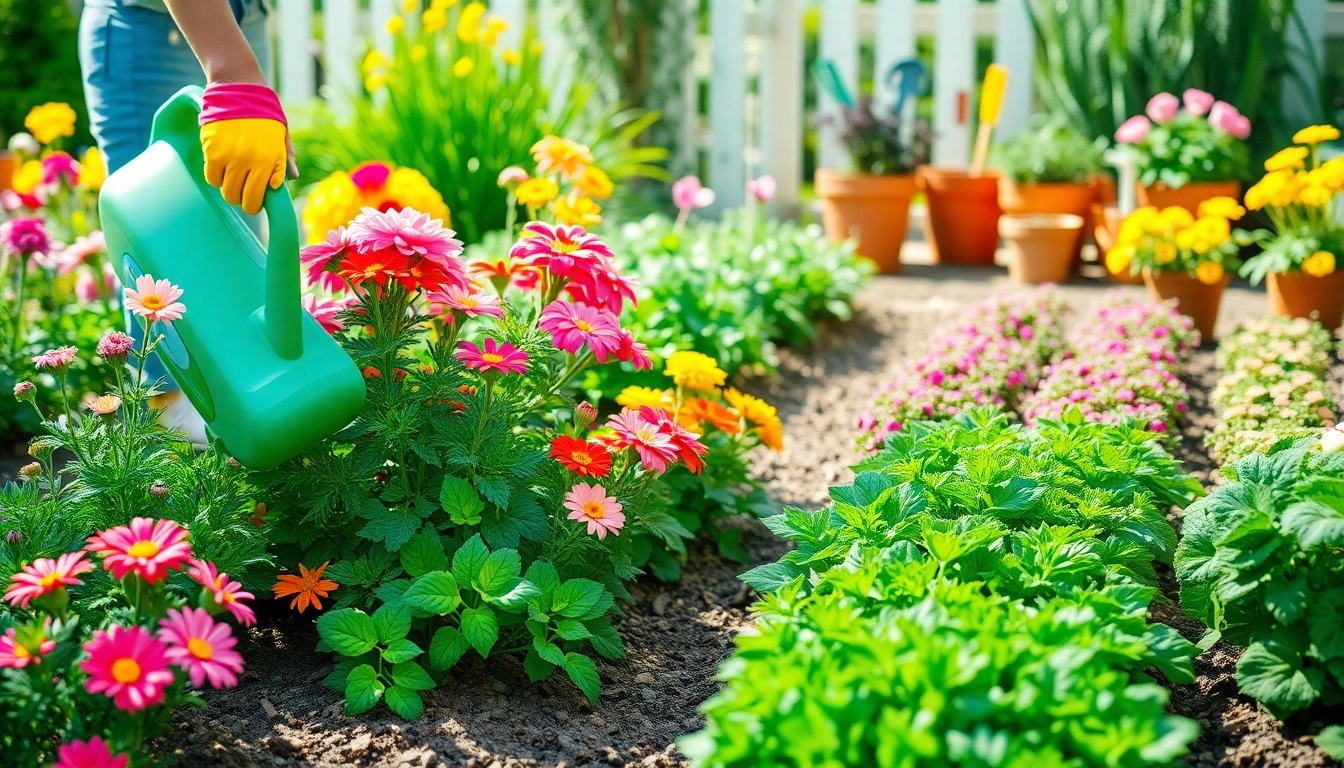
- Watering Can or Hose: An essential tool for ensuring your plants receive the necessary hydration.
- Hoe: Useful for cultivating soil and removing weeds.
- Spade: Ideal for digging and turning soil.
Watering Techniques to Ensure Healthy Plants
Proper watering is critical in gardening, and understanding techniques can improve plant health:
- Drip Irrigation: A system to deliver water directly to the roots, minimizing waste and reducing fungal diseases.
- Soaker Hoses: Great for slowly releasing water into the soil as needed.
- Time of Day: Watering in the early morning or late afternoon helps prevent evaporation and ensures your plants receive adequate moisture.
Soil Preparation: The Foundation of Successful Gardening
Healthy plants start with healthy soil. Preparing your soil involves:
- Testing Soil Quality: Understanding pH and nutrient levels can guide amendments.
- Amending Soil: Adding organic matter like compost or well-rotted manure can improve soil structure and fertility.
- Mulching: A layer of mulch retains moisture, suppresses weeds, and adds organic matter as it decomposes.
Maintaining Your Garden Throughout the Seasons
Laying the groundwork in the spring is only the beginning. Ongoing maintenance ensures that your garden remains vibrant and productive through all seasons.
Seasonal Gardening Tasks and Tips
Every season brings unique gardening tasks. Here’s a breakdown of what to consider:
Spring
- Prepare the soil and sow seeds for warm-weather crops.
- Prune perennials to encourage new growth.
Summer
- Monitor for pests and disease actively.
- Ensure consistent watering, especially for young plants.
Fall
- Harvest mature crops and plant fall vegetables.
- Prepare your garden for winter by mulching and adding compost.
Winter
- Plan for the next planting season and order seeds.
- Clean and service your tools for the upcoming year.
Organic Pest Control and Disease Management
Managing pests and diseases organically is vital for maintaining a healthy garden. Here are effective strategies:
- Encouraging Beneficial Insects: Ladybugs and lacewings can help control aphids and other pests.
- Natural Sprays: Utilize neem oil or insecticidal soaps to deter harmful insects while being gentle on beneficial species.
- Crop Rotation: Changing the location of crops each season can reduce pest infestations and improve soil health.
Harvesting Techniques and Enjoying Your Bounty
Knowing when and how to harvest your plants is essential for enjoying their fruits (and vegetables). Here are some tips:
- Timing: Harvest fruits and vegetables at their peak ripeness for the best flavor.
- Tools: Use clean, sharp scissors or knives to avoid damaging plants.
- Storage: Understand proper storage techniques for different harvests to prolong freshness.
By honing your harvesting skills, you can appreciate the full rewards of your gardening efforts.