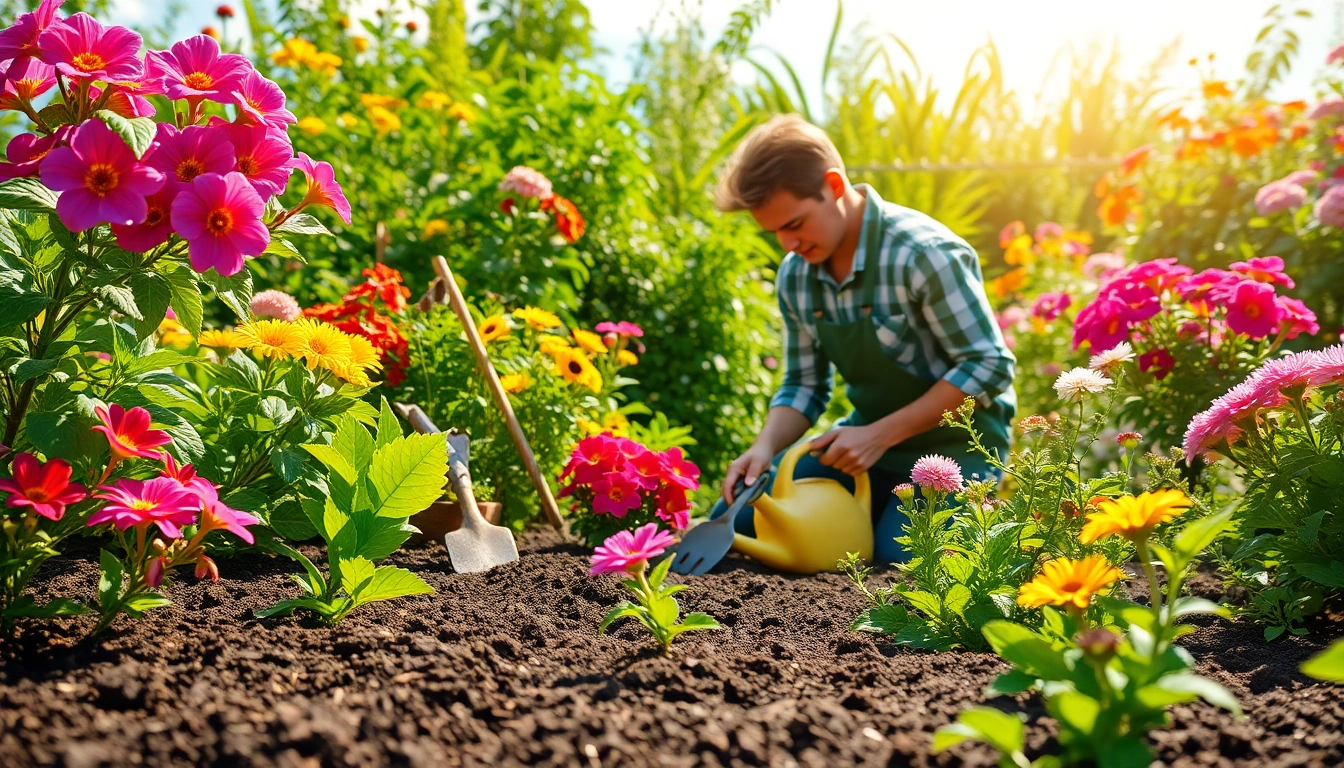
Introduction to Gardening and Its Benefits
Gardening is not just a hobby; it is a way of life that can significantly enhance your physical and mental well-being. Engaging in Gardening provides myriad benefits that extend beyond growing plants. In this extensive guide, we will explore the fundamentals of gardening, its therapeutic and environmental benefits, and the common challenges faced by new gardeners, allowing you to cultivate your green thumb with confidence.
Understanding the Fundamentals of Gardening
At its core, gardening is the practice of cultivating plants in a variety of environments. This could include growing flowers, vegetables, herbs, or grasses. Understanding the basics involves knowing about plant biology, soil science, and appropriate gardening techniques. The essential components of successful gardening include:
- Soil Quality: Healthy plants need nutrient-rich soil to thrive.
- Watering: Proper watering techniques are critical and vary by plant type.
- Sunlight: Different plants require different amounts of light.
- Pest Control: Managing pests effectively to protect your plants is vital.
Benefits of Engaging in Gardening
The benefits of gardening go far beyond just having beautiful landscapes or homegrown produce. Some of the key advantages include:
- Physical Health: Gardening is great exercise, helping to improve strength, stamina, flexibility, and fitness.
- Mental Health: The act of gardening has been shown to reduce stress, anxiety, and depression.
- Nutrition: Growing your own fruits and vegetables can lead to healthier eating habits.
- Environmental Impact: Gardening contributes positively to the environment by improving air quality and promoting biodiversity.
Common Challenges Faced by New Gardeners
While gardening is rewarding, new gardeners often encounter several challenges. Common issues include:
- Soil Problems: Poor soil quality can hinder plant growth. Testing and amending soil is essential.
- Weather Conditions: Unexpected weather can damage plants and alter growth plans.
- Pest Infestations: Identifying and managing pests can be overwhelming for beginners.
- Lack of Knowledge: A steep learning curve can discourage novice gardeners.
Choosing the Right Location for Your Garden
Assessing Sunlight and Shade Requirements
Choosing a suitable location for your garden is crucial for your plants' success. Plants vary in their light requirements. Some thrive in full sun, while others prefer partial shade. To assess sunlight levels:
- Observe your garden area at different times of the day.
- Take note of how much sunlight each area receives.
- Consider the impact of structures or trees that could create shade.
Soil Quality: Testing and Improving Your Soil
Soil is the foundation of any gardening endeavor. Testing your soil for pH levels and nutrient content can lead to better plant performance. Here are steps to improve soil health:
- Purchase a soil testing kit to measure pH and nutrients.
- Amend the soil with compost or organic matter to enhance nutrient levels.
- Rotate crops annually to prevent soil depletion.
Watering Accessibility: Considerations for Ideal Placement
Watering accessibility is another significant factor in garden planning. Ensure your chosen site allows for easy irrigation:
- Plan for convenient access to water sources.
- Consider installing irrigation systems for larger gardens.
- Observe natural drainage patterns to prevent waterlogging.
Essential Gardening Tools and Supplies
Basic Gardening Tools Every Beginner Needs
The right tools can make gardening more enjoyable and efficient. Basic tools every gardener should have include:
- Hand Trowel: Perfect for planting and digging small holes.
- Garden Fork: Useful for loosening soil.
- Pruning Shears: Essential for trimming plants and promoting healthy growth.
- Watering Can: Ideal for nurturing plants without flooding them.
- Gloves: Protect your hands from thorns and dirt.
Choosing the Right Plants for Your Environment
When selecting plants for your garden, consider your local climate, soil type, and available light. Native plants are often a great option as they require less maintenance and are well-adapted to your environment. Additionally, consider:
- Consult local gardening centers for plant recommendations.
- Look for plants that are low-maintenance and resistant to local pests.
- Plan for a mix of annuals, perennials, and herbs for variety.
Understanding Seed Selection and Planting Techniques
Choosing the right seeds and planting techniques is fundamental to a successful garden. Begin with these tips:
- Read seed packets for planting instructions, including depth and spacing.
- Start seeds indoors if your climate has a short growing season.
- Practice crop rotation to enhance soil nutrients and minimize pests.
Best Practices for Plant Care and Maintenance
Watering Techniques: How Much is Enough?
Proper watering techniques are vital to ensure healthy plant growth. The needs can vary widely among different species, but general rules include:
- Water early in the morning to reduce evaporation.
- Deeply water the soil rather than frequent shallow waterings.
- Mulch around plants to retain soil moisture.
Effective Pest Management Strategies for Your Garden
Pest management is critical in maintaining a healthy garden. Explore different strategies such as:
- Preventive Techniques: Keep your garden tidy and remove debris that pests could hide in.
- Natural Predators: Encourage beneficial insects like ladybugs to keep harmful pests in check.
- Organic Pesticides: Use organic options as a last resort, ensuring safety for your plants and wildlife.
Seasonal Maintenance and Seasonal Planting Considerations
Gardening is a seasonal activity that requires adaptation. Different seasons bring unique challenges and opportunities. Consider the following maintenance tasks:
- In spring, prepare your soil and plant seeds.
- During summer, focus on watering and pest control.
- In autumn, harvest your crops and prepare the garden for winter.
- Come winter, reflect on your gardening successes and make plans for spring.
Resources for Advancing Your Gardening Skills
Online Communities and Forums for Gardeners
Connecting with other gardeners can provide invaluable support and advice. Consider joining:
- Online gardening forums where you can ask questions and share experiences.
- Social media groups dedicated to gardening for tips and inspiration.
- Local community gardening clubs that host meet-ups and share resources.
Books and Guides for Deepening Your Gardening Knowledge
Numerous publications can enhance your gardening expertise. Look for:
- Books that focus on specific gardening styles or types of plants.
- Guides that cover soil science, pest management, and season-specific tasks.
- Magazines with the latest trends and innovations in gardening.
Workshops and Local Gardening Classes Near You
Enrolling in workshops or classes can transform your gardening experience. Seek out:
- Community college courses on horticulture or sustainable gardening.
- Workshops at local botanical gardens or nurseries focusing on practical skills.
- Online courses that fit into your schedule for flexible learning.