Introduction to Gardening
Gardening is an age-old practice that has evolved into a cherished hobby for millions around the world. It encapsulates not only the act of planting and nurturing flowers, fruits, and vegetables but also the joy and satisfaction that comes from cultivating your own green space. At its heart, gardening is about connecting with nature, improving our surroundings, and, ultimately, enhancing our well-being. Whether you are a novice curious about starting your first garden or an experienced gardener looking to refine your skills, understanding the essentials of Gardening is crucial to your success.
Understanding Gardening Basics
The basics of gardening lay the foundation for framing any garden endeavor. This can range from understanding different types of gardening, such as vegetable, flower, or herb gardens, to knowing the necessary tools and supplies that facilitate garden care. Additionally, yearly growth cycles, seasonal changes, and localized climate conditions all significantly influence gardening success.
The Benefits of Gardening
Gardening is more than a recreational activity; it offers numerous psychological, social, and physical benefits. Engaging with plants has been shown to relieve stress, promote mental clarity, and encourage mindfulness. Physically, it provides a trivial amount of exercise, enhances flexibility, and improves outdoor skills such as pruning and lifting. Furthermore, gardens serve as habitats for wildlife, promote biodiversity, and contribute to environmental health through sustainable practices.
Common Challenges Gardeners Face
As rewarding as gardening can be, it is not devoid of challenges. Climate change has led to unpredictable weather patterns, affecting plant viability. Pests and diseases can devastate crops, while poor soil quality can stunt growth. Additionally, new gardeners may struggle to maintain balance in their gardening routines due to varying skill levels or lack of time. Understanding these hurdles is critical in overcoming them effectively.
Starting Your Gardening Journey
Beginning your gardening journey may seem daunting, but it can be an incredibly gratifying endeavor. From selecting the right location to choosing suitable plants, each step is integral in ensuring your garden flourishes.
Selecting the Right Location for Gardening
Choosing the ideal location for your garden is paramount to its success. Factors such as sunlight exposure, soil quality, and drainage should all be considered. Most plants require at least six hours of direct sunlight a day, so assess your yard for sunny spots. Additionally, ensure that the area has good drainage to prevent root rot, which can devastate your plants.
Choosing the Best Plants for Your Space
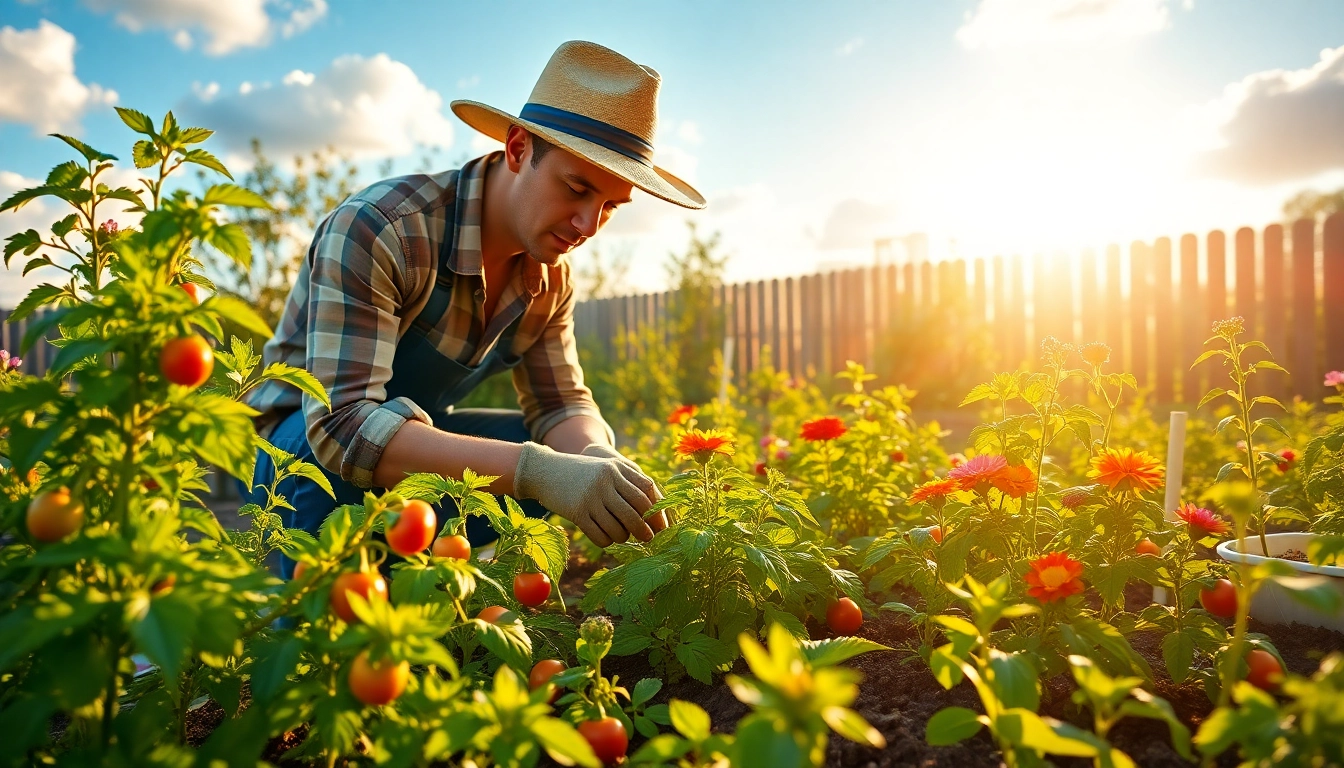
When diving into plants, understanding the climatic zone you live in is essential. This helps in selecting plants that will thrive during the varying conditions of your local environment. Beginners may benefit from starting with hardy, pest-resistant species. Vegetables like tomatoes, peppers, and herbs such as basil and mint are popular choices due to their relatively easy maintenance.
Getting Started with Gardening Tools and Supplies
The right tools can make the process streamlined and enjoyable. Essential tools for any gardener include a spade, trowel, pruning shears, and gloves. As your gardening skills improve, you may want to invest in additional tools such as a rake, hoe, or watering can. Always choose high-quality supplies to ensure efficiency and longevity.
Advanced Gardening Techniques
Once you have conquered the basics of gardening, there are several advanced techniques that can enhance your gardening experience and output. These methods not only improve the aesthetic appeal of your garden but also increase productivity and sustainability.
Soil Preparation and Fertilization
Healthy plants begin with healthy soil. Before planting, prepare your soil by testing its pH level and nutrient content. Adding organic matter, such as compost, can enhance soil structure, drainage, and nutrition. Once the soil is enriched, regular fertilization—using either organic or synthetic options—will keep your plants healthy and vibrant throughout their growing phases.
Watering and Irrigation Strategies in Gardening
Watering may seem straightforward, but it’s crucial to know when and how much to water your plants. Overwatering is just as damaging as underwatering. Implementing efficient irrigation techniques, like drip irrigation systems or soaker hoses, can conserve water and promote even moisture distribution across your garden. Always water early in the morning or late in the evening to minimize evaporation and maximize absorption.
Pest Management and Organic Gardening
Managing pests organically is an essential practice for promoting a healthy ecosystem in your garden. Companion planting (growing certain plants together) can naturally deter pests, while beneficial insects like ladybugs can help control populations of harmful creatures. Additionally, consider natural repellents like neem oil or insecticidal soaps to handle more persistent infestations without harsh chemicals.
Gardening for Sustainability
As environmental consciousness grows, sustainable gardening practices are becoming increasingly vital. Not only do these methods promote biodiversity, but they also minimize resource use, reduce waste, and foster a balanced ecosystem.
Introduction to Permaculture Concepts
Permaculture revolves around creating sustainable agricultural ecosystems. At its core, it emphasizes working with nature to design productive landscapes. By applying permaculture principles, gardeners can create self-sufficient systems that require minimal outside inputs. Techniques such as planting perennials, utilizing rainwater systems, and crop rotation can all contribute to a more sustainable approach to gardening.
Using Native Plants in Gardening
Incorporating native plants in your garden fosters local biodiversity while reducing maintenance. Native plants are adapted to local climate, soil, and pest pressures, making them resilient options. Additionally, they provide habitats for local wildlife and support pollinator populations, essential for a thriving ecosystem.
Building a Composting System
Composting is an excellent way to recycle organic waste and enrich your garden soil. A simple compost pile can be started using kitchen scraps, yard waste, and paper products. Proper aeration and balance of green and brown materials will promote breakdown and lessen odors. Not only does composting reduce landfill waste, but it also turns wasted resources into valuable nutrients for your soil.
Maintaining a Flourishing Garden
With your garden established, ongoing maintenance becomes crucial for ensuring its longevity and productivity. Maintenance tasks vary but often come with rewarding outcomes that keep your green space flourishing.
Seasonal Gardening Tasks and Maintenance
Time management is key for any gardener as various tasks arise throughout the seasons. In spring, focus on planting and enriching soil, while summer will require regular watering and weeding. Fall becomes a time for harvesting and preparing for winter, and winter provides opportunities for soil preparation and dormant care. Keeping a gardening calendar can help in planning these seasonal tasks effectively.
Edible Gardening: Tips for Vegetables and Herbs
Growing your own vegetables and herbs not only enhances meals with fresh ingredients but also provides a sense of fulfillment. When planning an edible garden, consider factors like crop rotation, intercropping, and succession planting. These techniques can maximize yields while effectively utilizing garden space.
Creative Landscape Design Elements for Gardening
A garden is more than just a collection of plants; it can be a cohesive landscape that engages the senses. Consider adding pathing, trellises, raised beds, or decorative borders to enhance visual appeal. Focal points like sculptures or water features can also draw attention and elevate the overall experience. By thoughtfully designing your garden, you create an inviting space for enjoyment and relaxation.