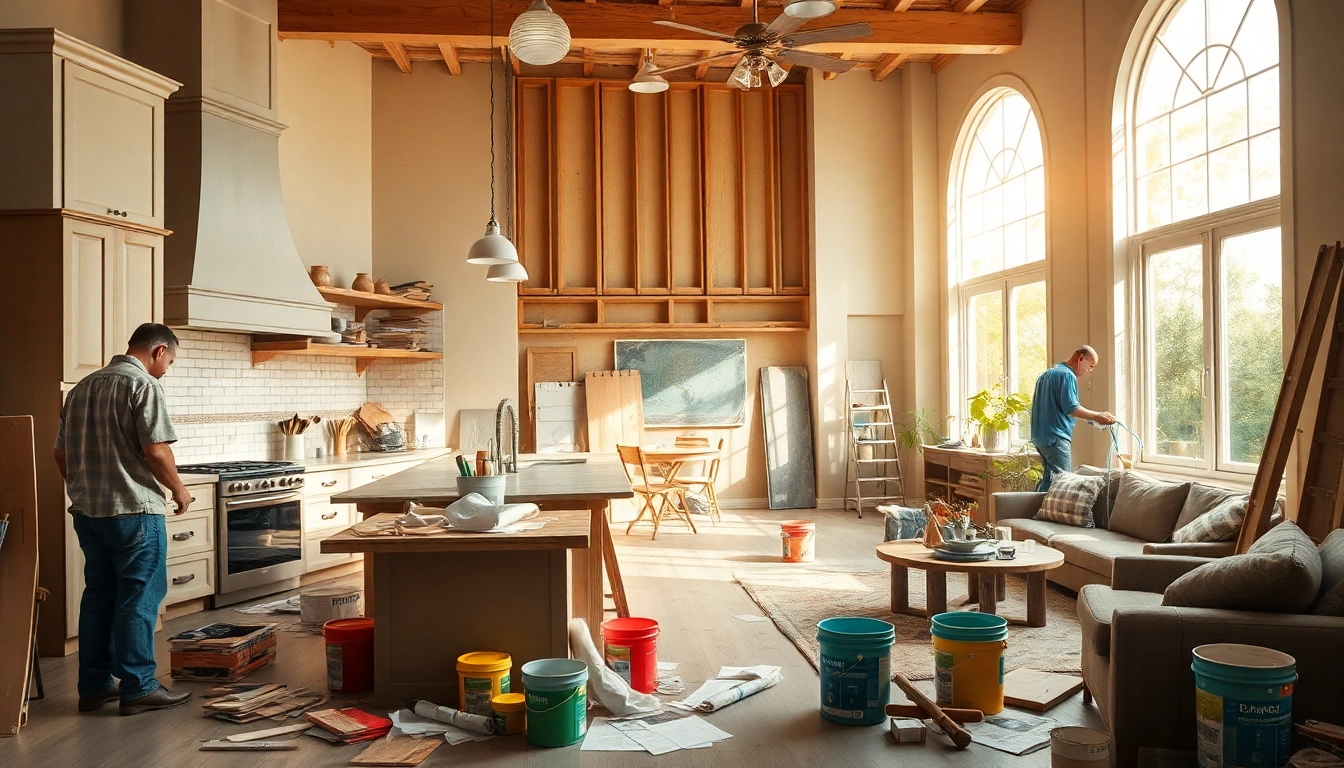
Understanding Home Renovation
Home renovation is a transformative undertaking that enhances both the functionality and aesthetic appeal of residential spaces. In recent years, the home renovation trend has gained momentum due to its ability to merge personal style with practical household needs. As homeowners face the pressing decisions of whether to update their space to suit modern living, understanding the scope and benefits of home renovation becomes essential. From minor updates to comprehensive remodels, Home renovation signifies a commitment to improved living conditions and an opportunity to increase property value.
Defining Home Renovation and Its Importance
At its core, home renovation involves the process of repairing, altering, or updating a residential property. This can range from simple cosmetic changes, such as painting and landscaping, to extensive remodels involving structural modifications. Renovation is crucial for several reasons:
- Increased Property Value: Thoughtful renovations can significantly enhance the market value of a home, making it a worthwhile investment for homeowners contemplating future sales.
- Improved Functionality: Changes like open floor plans or updated kitchens not only modernize a space but also improve its day-to-day usability.
- Personal Expression: Renovations offer a canvas for personal expression, allowing homeowners to combine style with comfort.
- Energy Efficiency: Updating old windows, doors, and appliances can enhance energy efficiency, resulting in reduced utility bills.
Common Types of Home Renovation Projects
Home renovation encompasses various projects, satisfying a broad spectrum of needs and desires. Some of the most common types include:
- Kitchen Remodel: Revamping the kitchen can include everything from new cabinets and countertops to layout alterations that enhance workflow.
- Bathroom Renovation: Updates in this area may involve modern fixtures, updated tiles, or even complete remodels to create luxurious spaces.
- Basement Finishing: Turning unused basement space into livable areas like home offices, gyms, or family rooms.
- Home Additions: Expanding a home by adding extra rooms or levels can cater to growing families or evolving lifestyle needs.
- Exterior Improvements: Enhancements such as siding replacement, deck additions, or landscaping can significantly boost curb appeal.
Identifying Your Home Renovation Goals
Before embarking on a home renovation project, it is critical to define clear objectives. Understanding what you want to achieve can guide all subsequent decisions and ensure the project aligns with your expectations. Ask yourself the following questions:
- What is the primary purpose of this renovation? (e.g., increased space, modernized style, enhanced comfort)
- How much am I willing to invest in this project?
- What styles or trends resonate with my vision for my home?
Having answers to these questions establishes a strong foundation for planning your renovation.
Planning Your Home Renovation
The success of a home renovation is often rooted in thorough planning. This phase lays the groundwork for both the budget and timeline necessary to execute the renovations effectively.
Setting a Budget for Home Renovation
Creating a precise and realistic budget is crucial in navigating a home renovation. A well-planned budget helps prevent overspending and financial strain. Here are steps to establish an effective budget:
- Assess Current Finances: Review your financial status to determine how much you can spend without stretching your resources.
- Get Estimates: Obtain multiple estimates from contractors to understand market rates for labor and materials.
- Set Aside Contingencies: Always set aside an additional 10-20% of your budget for unexpected expenses that may arise during the renovation.
- Track Spending: Maintain a detailed record of expenditures to ensure your renovation stays within the approved budget.
Creating a Timeline for Your Home Renovation
A clear timeline is essential for maintaining project momentum and meeting your renovation goals. Here are steps to consider:
- Define Project Phases: Break down your renovation into manageable phases (e.g., design, construction, finishing).
- Set Milestones: Establish key dates for each phase, including the signing of contracts, major purchases, and project completions.
- Leave Room for Adjustments: Understand that delays can occur; ensure your timeline is flexible enough to accommodate changes.
Design Considerations in Home Renovation
Design plays a pivotal role in the overall success of a renovation. It encompasses aesthetic choices, functionality, and overall coherence of the home’s look. Key design considerations include:
- Style Cohesion: Ensure that new designs align with existing architectural styles and interior themes.
- Functionality: Design spaces that provide practical solutions to daily living, balancing aesthetics with usability.
- Material Selection: Choose materials that are durable, sustainable, and fit the intended look of your renovation.
- Consultation with Experts: Engaging with designers or architects can provide valuable insights and innovative ideas that enhance the design process.
Choosing Contractors for Home Renovation
The execution of your renovation largely depends on the contractors involved. Selecting the right professionals is key to ensuring quality workmanship and a positive experience.
Finding Reliable Home Renovation Experts
Finding trustworthy contractors requires research and due diligence. Here are some effective strategies:
- Ask for Recommendations: Seek referrals from friends, family, or local home improvement stores to gather a list of reputable contractors.
- Check Online Reviews: Investigate online platforms for reviews and ratings of potential contractors to gauge their reputation and past performance.
- Verify Credentials: Ensure that contractors are licensed and insured, providing protection against potential liability issues.
- Interview Candidates: Conduct interviews with potential contractors to discuss your project, gauge their expertise, and determine if they align with your vision.
Evaluating Contractor Proposals for Home Renovation
Once you have gathered a selection of proposals, evaluating them systematically can help you make informed decisions. Consider the following criteria:
- Detailed Scope of Work: Ensure that each proposal outlines a clear scope to avoid misunderstandings during the renovation.
- Transparency in Pricing: A good proposal should break down costs clearly, including materials, labor, and potential contingencies.
- Timeline Expectations: Look for clarity on project timelines and how the contractor plans to meet them.
- Warranty or Guarantee: Confirm if the contractor offers warranties for workmanship or materials used in the project.
Establishing Contracts for Home Renovation Projects
Once you've chosen a contractor, drafting a detailed contract is essential to protect both parties. Key components of a renovation contract should include:
- Detailed Scope: A comprehensive description of the work to be completed, materials to be used, and any custom features.
- Payment Terms: Outline the payment schedule, including deposits and final payments linked to project milestones.
- Timeline: Specifically state project start and end dates to set clear expectations for completion.
- Liability and Insurance: Include clauses that address liability and insurance coverage during the renovation process, safeguarding against potential damages or accidents.
Executing Your Home Renovation
The execution phase is where plans become reality. Effectively managing the renovation project while maintaining open communication with your team significantly enhances the chances of success.
Managing Your Home Renovation Site Effectively
A well-managed renovation site can reduce risks and improve efficiency. Strategies include:
- Establish Protocols: Set up rules for safety and cleanliness that all workers must adhere to, minimizing accidents and disruptions.
- Monitor Progress: Regularly check in with the contractor to ensure adherence to timelines and quality standards.
- Address Issues Promptly: Identify and resolve problems immediately to prevent them from escalating into larger issues.
Communicating with Your Home Renovation Team
Effective communication is vital for a smooth renovation process. Follow these practices:
- Regular Updates: Schedule frequent meetings or check-ins to discuss progress and address challenges as they arise.
- Open Feedback Channels: Foster an environment where team members can express concerns or suggestions willingly.
- Document Everything: Keep a record of all communications, agreements, and changes to ensure clarity moving forward.
Staying on Track During Home Renovation
Maintaining focus and adhering to the project schedule is essential. Strategies for staying on track include:
- Set SMART Goals: Specific, Measurable, Achievable, Relevant, and Time-bound goals help keep everyone focused on project targets.
- Adapt as Necessary: Be prepared for changes in project scope or timelines, and adjust plans collaboratively with your contractor to maintain progress.
- Celebrate Milestones: Acknowledge achievements throughout the renovation to boost morale and keep motivation high.
After Your Home Renovation
Once the dust settles, and renovations are completed, it’s time to transition into the final phases of project closure.
Final Inspections and Adjustments Post-Home Renovation
Conducting a final inspection ensures that all work meets the agreed-upon specifications. Key steps include:
- Walkthrough: Perform a thorough walkthrough of the entire project with your contractor, noting any issues that need rectification.
- Quality Checks: Ensure that all materials used match those specified in the contract and that workmanship quality meets standards.
- Document Findings: Keep a record of any outstanding adjustments required and establish timelines for their completion.
Decorating and Styling Your Newly Renovated Space
Decorating your newly renovated home is the final touch that sets the ambiance and feel of your space. Consider the following tips:
- Personal Touches: Incorporate items that resonate with your personality while aligning with the overall design theme.
- Functional Furniture: Choose furnishings that are not only stylish but also offer practical solutions for your needs.
- Accent Colors: Use paint, textiles, and accessories to introduce color and texture that enhance your renovation’s design.
Maintaining Your Home After Renovation Projects
Once you settle into your renovated home, maintenance becomes crucial to preserve your investment. Key practices include:
- Regular Cleaning: Establish a cleaning routine that incorporates all areas of your renovation to maintain aesthetic appeal and functionality.
- Scheduled Maintenance: Keep a schedule for routine checks and repairs of key systems (e.g., plumbing, HVAC) to prevent issues and prolong longevity.
- Stay Informed: Educate yourself about the materials in your renovation (e.g., care instructions for countertops) to ensure you’re meeting their upkeep needs.