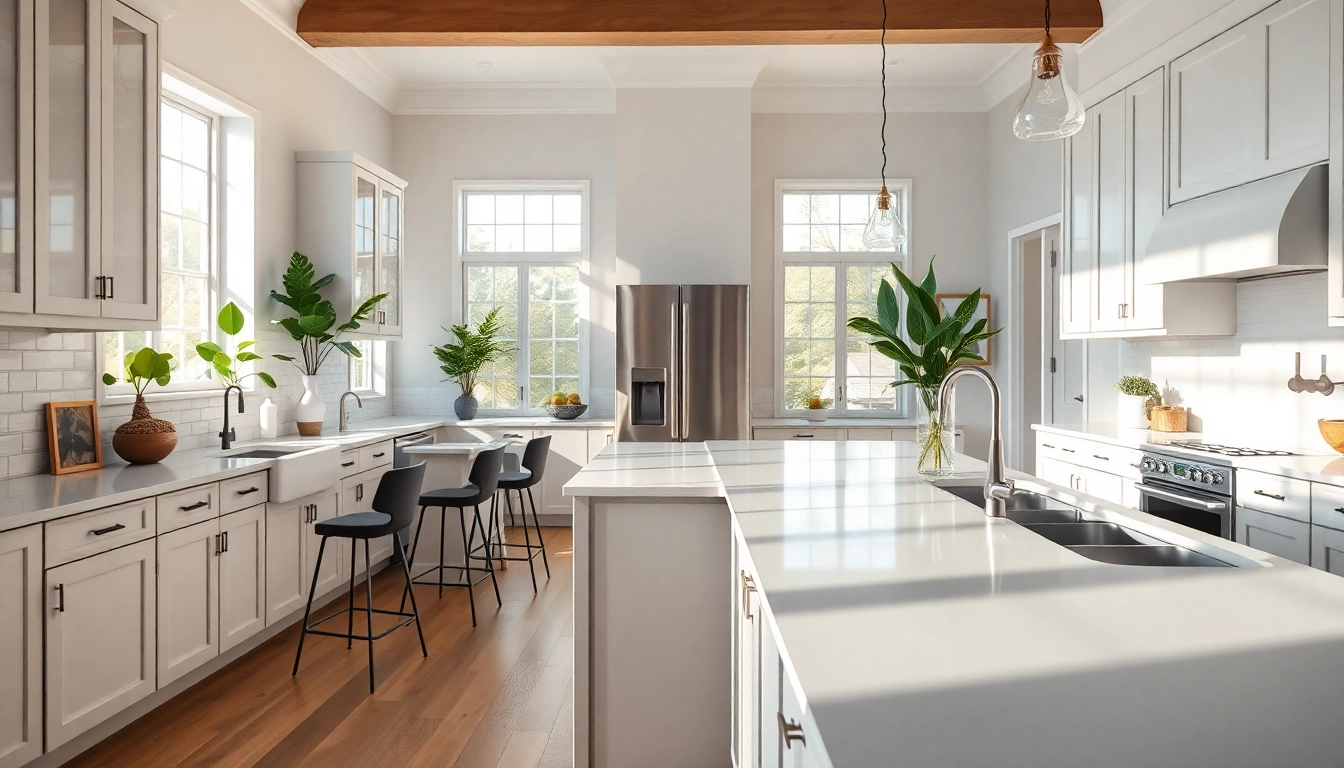
Understanding the Basics of Home Renovation
Defining Home Renovation: Overview and Importance
Home renovation is the process of improving or updating an existing home through extensive modifications. Unlike routine repairs or maintenance, which focus on restoring a home’s functionality, renovations strive to enhance the aesthetic appeal, increase space, or improve energy efficiency. This can encompass anything from minor changes like repainting walls to complete remodels involving structural alterations.
The importance of Home renovation cannot be overstated. Renovating a home boosts its market value, enhances living conditions, and allows for personalization that reflects the homeowners' tastes and lifestyles. In an increasingly competitive real estate market, well-executed renovations can be the difference between a house that sits idle and one that attracts buyers quickly.
Common Reasons for Home Renovation
There are myriad reasons homeowners choose to renovate their properties. Here are some of the most common motivations:
- Increased Home Comfort: Over time, homes can become outdated or unfit for the homeowner's lifestyle. Renovations can tailor spaces more suitably to present needs, such as creating open floor plans for families or adding home offices.
- Maintenance Needs: Homes naturally age, and renovations often address long-overdue repairs for plumbing, electrical systems, flooring, or structural elements.
- Updating Styles: Outdated designs can make homeowners feel disconnected from their spaces. A renovation can rejuvenate a home with modern materials and designs.
- Increasing Property Value: Renovating key areas like kitchens and bathrooms often adds substantial resale value to a property, appealing to potential buyers.
- Sustainability: Many homeowners seek eco-friendly renovations to reduce their carbon footprints and operating costs. This involves upgrading to energy-efficient appliances, sustainable materials, and better insulation.
Key Considerations Before Starting Your Project
Before diving into a home renovation project, several critical considerations should be addressed to ensure a successful outcome:
- Scope of the Project: Clearly define what areas of the home require renovation and the extent of work needed. This clarity will assist in budgeting and scheduling.
- Budget: Understanding your budget limits is essential. Create a detailed budget that includes all aspects of the renovation, such as materials, labor, permits, and a contingency fund for unexpected expenses.
- Permits and Regulations: Check local building codes and regulations that might affect the renovation, specifically if significant structural changes are planned.
- Impact on Daily Life: Consider the timeline of the project and how it might affect day-to-day activities in your household. Make arrangements for disruptions that might arise.
- End Goals: Clarifying your end goals will help maintain focus on the renovation's priorities and desired outcomes. This ensures you don’t lose track of the main objectives.
Planning Your Home Renovation
Setting a Realistic Budget for Home Renovation
Creating a realistic budget is one of the most crucial steps in the home renovation planning process. A well-formulated budget enables homeowners to establish financial boundaries and avoid overspending. Here are steps to consider when setting your budget:
- Research Costs: Investigate the current market rates for materials, labor, and other renovation needs. Online platforms and local home improvement stores can provide insight into material costs.
- Itemized List: Create an itemized list of all expected expenses, from materials to labor. This will give a clear picture of where the bulk of the budget will be spent.
- Allocate a Contingency Fund: It’s prudent to allocate about 10-20% of your budget as a contingency fund for unplanned expenses that may arise during the renovation.
- Consider Financing Options: If your budget exceeds your available savings, explore financing options such as home equity loans or personal loans to fund renovations.
Creating a Timeline for Your Renovation Project
Establishing a timeline is essential for managing the renovation project efficiently. It helps coordinate various phases of the renovation, track progress, and minimize disruptions. Here’s how to devise a timeline for your renovation:
- Define Milestones: Break the project down into specific milestones (e.g., design approval, purchase of materials, completion of rough construction), with clear completion dates.
- Account for Delays: Recognize that delays can arise from various factors, such as supply chain issues or unexpected structural problems. Build some buffer time into your timeline.
- Set Priorities: Determine which aspects of the renovation are essential and should be completed first to ensure livability while work progresses.
Choosing the Right Renovation Style and Design
The style and design of a renovation should reflect both the homeowner's aesthetic and the home's architectural integrity. Below are steps for choosing the right style:
- Research Styles: Investigate various design styles that inspire you. Create a mood board with images, palettes, and materials that resonate with your vision.
- Functional Layout: Consider how the space will be used in everyday life. A layout should not only be aesthetically pleasing but also functional and convenient.
- Consult Professionals: If needed, engage with design professionals who can help translate your ideas into workable plans, ensuring that the design complies with practical requirements and regulations.
Hiring Professionals for Home Renovation
Finding Qualified Contractors for Your Home Renovation
Selecting the right contractors can significantly influence the success of a renovation project. Here’s how to find suitable professionals:
- Research and Referrals: Seek recommendations from friends, family, or online communities. Reading reviews and testimonials can also aid in evaluating contractors’ reputations.
- Check Credentials: Ensure that contractors have the necessary licenses, insurance, and certifications to operate in your locality. This is key to ensuring compliance with regulations and protecting yourself against liability.
- Interview Candidates: Prepare a list of questions for potential contractors that cover their experience, renovation style preferences, and how they manage timelines and budgets.
The Role of Designers in Home Renovation
Interior design and architectural expertise can elevate a renovation project. Here’s where a designer can add value:
- Innovative Solutions: Designers can offer creative solutions to maximize space, improve functionality, and incorporate design trends effectively.
- Coordination with Contractors: Designers often collaborate with contractors to ensure that design intentions are faithfully executed throughout the renovation.
- Visualizing the End Product: Designers can produce detailed visualizations or 3D renderings of the completed project, helping homeowners envision the final outcome.
Understanding the Cost of Hiring Professionals
The costs associated with hiring professionals can vary widely based on experience, region, and project scope. Homeowners should be aware of typical cost structures, including:
- Hourly Rates: Many contractors charge hourly rates, while others may provide flat fees for specific tasks. Understanding what’s included in the fee is crucial.
- Material Markup: Be aware that some contractors may mark up the cost of materials, which can significantly affect the overall budget.
- Payment Schedules: Discuss payment schedules up front, outlining expectations for deposits, progress payments, and final payments to avoid misunderstandings.
Implementing Your Home Renovation Project
Managing the Renovation Process Effectively
Effective project management is vital for a smooth renovation process. Here are strategies to keep the renovation on track:
- Regular Communication: Maintain open lines of communication with all parties involved, including contractors, designers, and family members. Regular updates can preemptively address potential issues.
- On-site Oversight: If possible, designate someone to oversee day-to-day progress to ensure that work aligns with plans and timelines.
- Document Progress: Take photos and maintain records of the project at various stages. This will help assess compliance with plans and may be useful for future reference.
Handling Unexpected Challenges During Home Renovation
There can be challenges during renovations, often stemming from unforeseen issues or delays. Here's how to cope effectively:
- Emotional Preparedness: Prepare mentally for challenges. Recognize that unexpected events can occur, and a calm approach will facilitate solutions.
- Evaluation of Alternatives: When a challenge arises, evaluate shifting perspectives or methods to address it instead of adhering strictly to initial plans.
- Problem-Solving Mindset: Cultivate a proactive attitude by brainstorming potential solutions or seeking professional advice when confronted with setbacks.
Ensuring Quality Workmanship in Your Renovation
Quality workmanship ensures that a renovation will withstand the tests of time and function properly. Key aspects to verify include:
- Work Inspection: Schedule regular inspections of the work completed against what was agreed upon in contracts to ensure adherence to quality standards.
- Contractor Accountability: Set clear expectations regarding quality and craftsmanship in contracts, ensuring that contractors are accountable for their work.
- Final Evaluation: Before making the final payment, review the entire project with all involved parties to confirm satisfaction with the workmanship before concluding the project.
Final Touches and Post-Renovation Considerations
Staging Your Home After Renovation
After a renovation, staging your home can enhance its appeal, especially if it is going on the market. Strategies include:
- Declutter: Remove excess items and furniture to create a clean, open space that showcases renovations effectively.
- Arrange Furniture: Plan furniture arrangements thoughtfully to enhance flow and functionality while maintaining aesthetic appeal.
- Enhance Curb Appeal: Attention to outdoor areas is crucial. Simple landscaping and clean pathways can significantly enhance first impressions.
Post-Renovation Maintenance Tips
Proper maintenance following a renovation is crucial to preserving new improvements. Here are some practical tips:
- Establish Cleaning Routines: Create a cleaning schedule for new surfaces and fixtures based on recommendations from manufacturers.
- Regular Inspections: Schedule regular inspections of newly renovated areas, watching for any signs of wear or issues before they escalate.
- Communicate with Professionals: Stay in touch with contractors or suppliers post-renovation for any warranty-related questions or issues.
Evaluating the Success of Your Home Renovation
Once everything is complete, evaluating the success of the renovation is necessary. Consider the following:
- Financial Return: Analyze whether the renovation increases the home’s value and assess its impact on potential resale value.
- Personal Satisfaction: Reflect on personal feelings about the changes. Do the renovations meet your initial goals and improve your living quality?
- Feedback from Others: Gather feedback from family and friends, considering their insights about the flow, design, and functionality of newly renovated spaces.