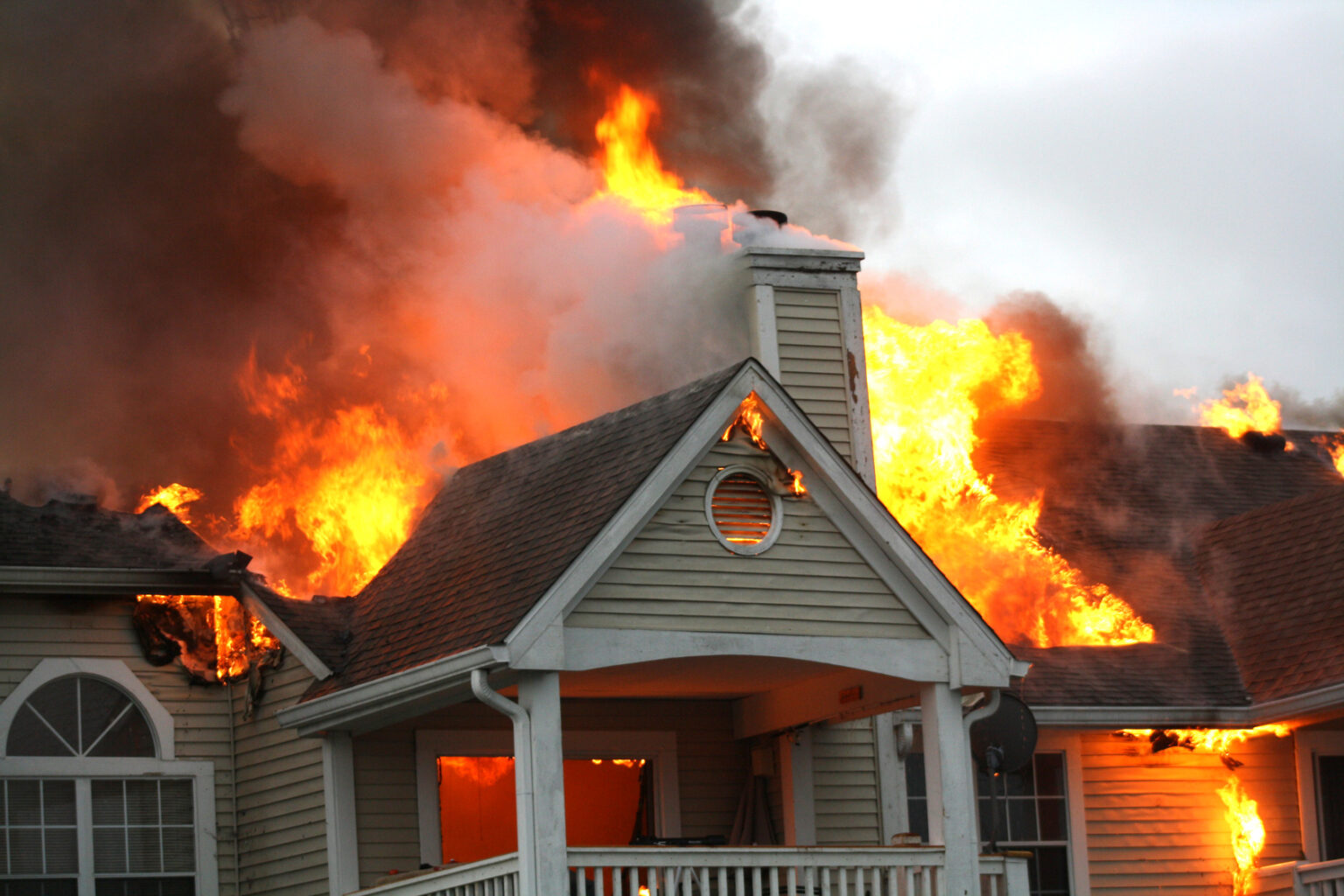
Understanding the Fire Claim Process
Experiencing property damage due to a fire can be devastating. It's more than just a physical loss; it often involves emotional turmoil and significant financial implications. Understanding the fire claim process is crucial for recovering your losses effectively. A successful Fire claim can help you cover repair costs, personal property loss, and additional living expenses incurred during your displacement.
What is a Fire Claim?
A fire claim is a formal request to your insurance company for compensation after experiencing damage caused by a fire. This request can cover various types of losses, including structural damage to your home, loss of personal belongings, and expenses incurred while living elsewhere during repairs. It’s essential to file a claim that accurately reflects the extent of your losses to receive the compensation you deserve.
The Importance of Documentation
Documentation is a key aspect of the fire claims process. Immediately after the fire, you should document the damage comprehensively. This includes taking photographs and videos of the affected areas, listing damaged items, and obtaining any official reports from the fire department or other authorities. Accurate records not only help establish the scope of your claim but also speed up the evaluation process by the insurance adjuster.
Key Steps to Filing a Fire Claim
- Ensure Safety: Your safety and the safety of others is paramount. Ensure that everyone is in a safe location before addressing any property-related issues.
- Notify Your Insurance Provider: Contact your insurance company as soon as possible and inform them about the incident. They will guide you through the specific claims process.
- Document the Damage: As mentioned before, document all damage and loss comprehensively. The more detailed your documentation, the easier it will be for your insurer to assess your claim.
- Submit Your Claim: File your claim with all necessary documentation. Provide a detailed statement of losses and required forms as per the guidance provided by your insurer.
- Follow Up: Keep in touch with your insurance adjuster for updates and provide any additional information promptly if requested.
Common Rejections and How to Avoid Them
Despite setting out to file a complete and accurate claim, many policyholders experience claim rejections. Understanding the common reasons behind these denials can help you to avoid pitfalls during your claim submission.
Reasons Insurance Companies Deny Fire Claims
Some of the most common reasons for denied fire claims include:
- Insufficient Evidence: If documentation is lacking, insurers may deny your claim. Always provide thorough evidence of damage.
- Exclusions in Policy: Be aware of your policy exclusions. Certain causes of fire, such as arson or negligence, may not be covered.
- Late Filing: Fire claims must be filed within a specific timeframe, often within days of the incident. Delaying your claim can jeopardize your recovery.
- Policy Limits Exceeded: If your claim exceeds the limits stipulated in your policy, it may be partially or fully denied.
How to Prepare for Potential Denials
Preparation is key to reducing the risk of claim denial. Before filing, thoroughly review your insurance policy to understand your coverage and limits. Ensure you have comprehensive documentation, including photographs and an inventory list of damaged items. Familiarize yourself with common reasons why claims get denied, and take steps to address potential weaknesses in your filing.
Steps to Take if Your Claim is Denied
- Review the Denial Letter: Understand the specific reasons for the denial and ensure you have all the facts straight.
- Gather Additional Evidence: If applicable, collect any new evidence that may support your case.
- Request a Re-evaluation: Contact your insurer’s claims department and formally request a reconsideration of your claim.
- Consider Legal Actions: If your claim remains denied after re-evaluation, it may be wise to seek legal counsel specialized in insurance disputes.
Maximizing Your Claim: Best Practices
Achieving the best possible outcome from your fire claim requires strategic planning and adherence to best practices.
Gathering Comprehensive Evidence
As reiterated, your evidence should be robust. This includes written estimates from contractors for repair work needed, detailed photos of all damages, and any receipts for expenses incurred due to the fire (such as temporary lodging or food). Establishing a clear connection between your evidence and losses will aid in maximizing your claim payout.
Estimating Your Damages Accurately
Work with professionals such as adjusters or restoration companies who can provide accurate estimates of repair costs. Ensure that your calculations account for not just physical repairs, but also loss of personal property and additional living expenses. An accurate damages estimate can strengthen your claim and provide a more convincing argument for your insurer.
When to Seek Professional Help
If navigating the claims process seems overwhelming or if you encounter complications, consider hiring a public adjuster. These professionals work on behalf of policyholders to help them obtain maximum settlements and can provide invaluable assistance based on their industry expertise.
Understanding Your Policy Limitations
Being well-versed in your insurance policy is essential for managing expectations surrounding your fire claim.
Reading and Interpreting Your Fire Insurance Policy
Take time to read through your policy document carefully. Pay close attention to coverages, exclusions, and terms specific to fire damage. Understanding these aspects can help you craft a more effective claim and avoid unpleasant surprises later.
Exclusions Your Policy Might Contain
Most insurance policies outline particular exclusions that can limit your coverage. Common exclusions in fire insurance policies might include intentional damage, acts of God (natural disasters), or properties in disrepair prior to the fire. Knowing these exclusions will save time and resources when filing a claim.
Understanding Coverage Limits in Fire Claims
Coverage limits dictate the maximum payout your insurer is willing to cover. It’s critical to understand these limits from the onset. For property coverage, ensure that your insurance adequately reflects the current value of your property, as underinsurance can lead to significant out-of-pocket expenses should a loss occur.
Frequently Asked Questions About Fire Claims
What is the standard timeline for processing a fire claim?
The timeline varies significantly, but fire claims are typically processed within a few weeks to several months, depending on the complexity of the case and promptness of documentation provided by the claimant.
Can I dispute the coverage decision from my insurer?
Yes, you can dispute the coverage decision. Initiate the process by appealing directly to your insurer, providing any additional evidence to support your claim.
What documentation is necessary for a successful claim?
Essential documentation includes a detailed inventory of damaged items, photographs of the damage, fire department reports, and proof of temporary living expenses incurred due to the fire.
How can I ensure fair compensation from my fire claim?
To ensure fair compensation, provide comprehensive documentation, understand your coverage limits, and work with professionals familiar with the claims process who can advocate on your behalf.
When should I consult with a lawyer about my fire claim?
Consult a lawyer if your claim is denied, if you believe you are being offered insufficient compensation, or if there are complex legal issues involved in your case that require professional guidance.