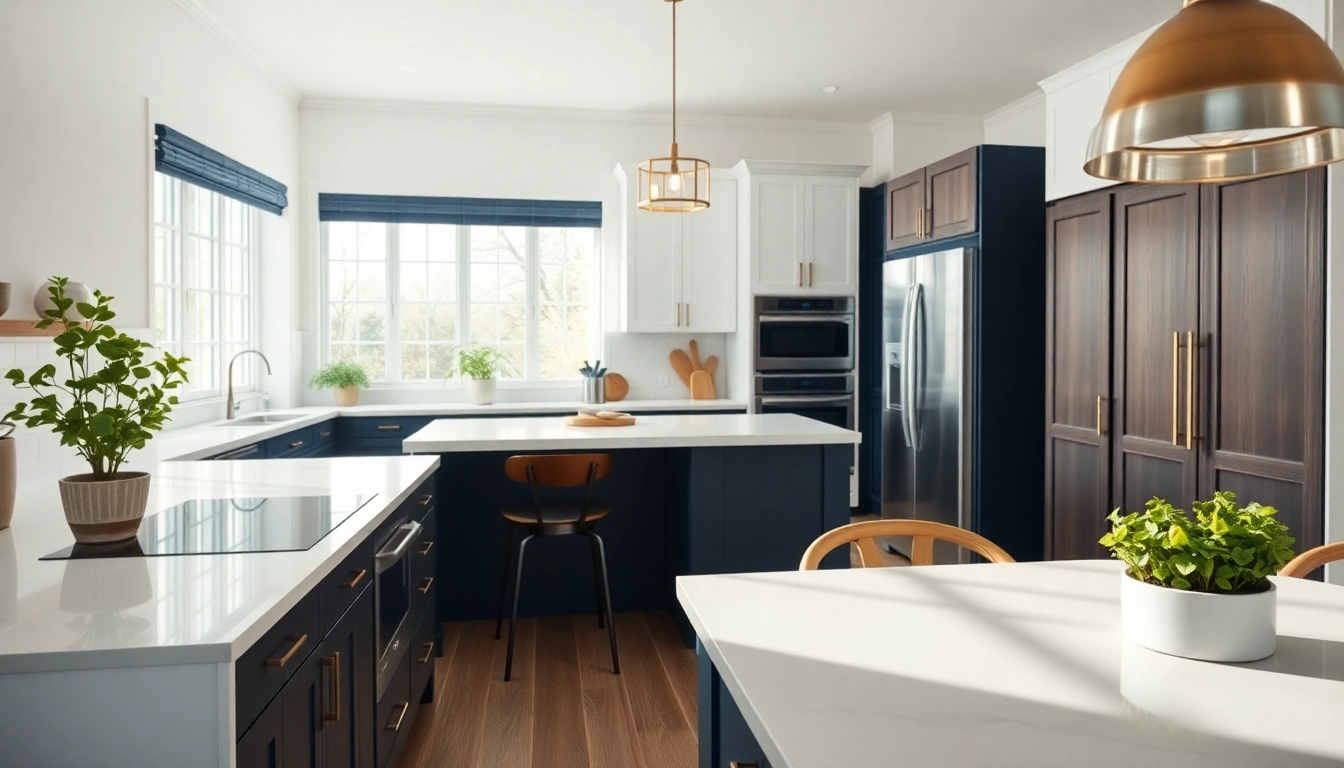
Understanding the Basics of Home Renovation
What is Home Renovation?
Home renovation refers to the process of improving or upgrading a home structure. This can involve anything from minor repairs and cosmetic updates to major structural alterations and expansions. The primary goal of home renovation is to enhance the functionality, aesthetics, and value of a home, often reflecting the homeowner's personal style and preferences. It encompasses a wide range of projects, including kitchen and bathroom remodels, basement finishing, room additions, and exterior refurbishments.
Common Reasons for Home Renovation
Homeowners embark on renovation projects for various reasons, each driven by different goals and motivations. Here are some common factors:
- Increased Space: Families grow, and lifestyles change, leading to the need for more space. Renovations can accommodate these changes by adding rooms or expanding existing ones.
- Enhanced Comfort: Home renovations can improve comfort by upgrading insulation, heating, and cooling systems, thereby increasing energy efficiency.
- Modernization: Style trends evolve, and homeowners often seek to update their spaces to reflect contemporary design principles, aligning their homes with modern aesthetics and functionality.
- Increased Property Value: Renovation often directly correlates with increased home value. By investing in strategic upgrades, homeowners can significantly enhance their property’s marketability.
- Personalization: Many homeowners undertake renovations to create spaces that reflect their individual tastes, ensuring their homes resonate with their lifestyles and preferences.
Renovation vs. Remodeling: Key Differences
The terms "renovation" and "remodeling" are frequently used interchangeably, yet they carry distinct meanings in the home improvement industry. Understanding the difference can help homeowners make informed decisions about their projects:
- Renovation: This refers to restoring or improving an existing structure without changing its function. Renovations often include updates such as painting, flooring changes, or the installation of new fixtures.
- Remodeling: This involves altering the structure or function of a space. For example, tearing down walls to create an open-concept layout or converting a basement into a living area are considered remodels.
Planning Your Home Renovation Journey
Setting a Realistic Budget for Home Renovation
Establishing a realistic budget is a critical first step in the home renovation journey. A well-planned budget not only helps ensure the project is financially feasible but also minimizes the risk of overspending. Key steps in setting a renovation budget include:
- Assessing Costs: Conduct thorough research to understand the costs associated with your specific renovation needs. This includes materials, labor, permits, and any unforeseen expenses that may arise.
- Prioritizing Needs vs. Wants: Distinguish between essential renovations and those that are nice to have. This can help allocate funds more effectively and ensure that core enhancements are addressed first.
- Building a Buffer: Renovations often come with surprises. It's advisable to add a contingency buffer of around 10% to 20% of your total budget to cover unexpected costs.
Creating a Timeline for Your Renovation Project
Time management is essential in ensuring a smooth renovation process. Developing a comprehensive timeline enables homeowners to align their project stages with realistic expectations. Here are some steps to create an effective timeline:
- Define the Scope: Clearly outline the specific renovations to be undertaken. A detailed scope will help establish a more accurate timeline.
- Consult Professionals: If hiring contractors, consult them about their availability and the estimated duration for each stage of the project.
- Set Milestones: Break the project into phases and set clear milestones to monitor progress. These can include completion of design, demolition, and final inspections.
Hiring the Right Professionals for Home Renovation
Selecting the right professionals can make a considerable difference in the success of a renovation project. Here are steps to identify and engage the right team:
- Research: Look for qualified professionals in your area with experience in the specific type of renovation you are planning. Online reviews and personal recommendations can provide valuable insight.
- Check Credentials: Verify licenses, insurance, and certifications. This ensures that the professionals you hire are qualified and can operate legally within your jurisdiction.
- Interview Candidates: Meet potential contractors to discuss your project and evaluate their understanding of your vision. Pay attention to their communication style, as active collaboration is crucial during renovations.
- Request Detailed Estimates: Get estimates from multiple contractors to compare costs and services. Ensure the estimates outline the scope of work and anticipated timelines.
Designing Your Dream Space
Choosing the Right Style for Home Renovation
The design phase of a renovation project is where personal preferences shine through. Choosing the right style involves considering both aesthetic appeal and functional needs. Here are a few popular design styles to consider:
- Modern: Characterized by clean lines, minimalism, and open spaces, modern design focuses on functionality and simplicity.
- Traditional: This style aims for timeless elegance, often featuring ornate details, rich wood finishes, and classic motifs.
- Rustic: Emphasizing natural materials and earthy tones, rustic design creates a warm, inviting atmosphere often found in countryside homes.
- Industrial: This style incorporates raw materials like exposed brick and metal, giving spaces a chic, urban feel.
Color Trends and Materials in Home Renovation
The colors and materials chosen during renovation significantly impact the overall ambience and perception of space. Current trends highlight the importance of sustainable materials and color palettes that evoke desired emotions. Popular trends include:
- Earthy Tones: Colors like terracotta, olive green, and muted blues have gained popularity for their calming effects and connection to nature.
- Sustainable Materials: Homeowners are increasingly opting for eco-friendly materials like bamboo flooring or recycled glass tiles to reduce their environmental footprint.
- Textured Finishes: The use of textured finishes in paints or materials adds depth and character to rooms, moving away from flat, single-tone colors.
Incorporating Sustainable Practices in Home Renovation
As environmental awareness rises, many homeowners seek to incorporate sustainable practices into their renovation projects. Here are ways to achieve this:
- Energy-Efficient Appliances: Opt for appliances with high energy ratings to reduce consumption and lower utility bills.
- Natural Insulation: Use sustainable insulation materials such as cellulose or sheep’s wool to enhance energy efficiency.
- Water Conservation: Install low-flow fixtures and consider rainwater harvesting systems to reduce water usage.
Execution: Bringing Your Vision to Life
Managing the Renovation Process Effectively
Efficiently managing the renovation process requires diligent oversight, communication, and proactive problem-solving. Here’s how to keep the project on track:
- Regular Check-ins: Schedule consistent meetings with your contractors to discuss progress, challenges, and adjustments needed to stay aligned with the timeline.
- Document Progress: Keep a detailed record of each phase, including photos and notes, which can be useful for future renovations and help resolve disputes.
- Stay Flexible: While it’s essential to maintain a schedule, remain open to adjustments as necessary, especially if situations arise that require changes in approach.
Overcoming Common Renovation Challenges
Home renovations can often lead to unexpected challenges, such as delays or budget overruns. Strategies to mitigate these issues include:
- Thorough Planning: Anticipate possible hurdles during the planning stages and allocate time and budget to manage these risks effectively.
- Clear Communication: Establish open lines of communication between all parties involved, ensuring everyone understands project goals and timelines.
- Adaptability: Be prepared to modify your plans in response to setbacks while keeping your overall vision in focus.
Quality Control During Home Renovation
Ensuring quality throughout the renovation process is paramount. Regular inspections and adherence to standards can help maintain high-quality outcomes. Here are some quality control strategies:
- Establish Standards: Clearly outline quality expectations and standards with your professionals at the project’s outset.
- Conduct Walk-Throughs: Regularly take the time to inspect work in progress, ensuring that it aligns with your expectations in terms of both quality and timelines.
- Stay Involved: Engage actively in the renovation process to identify any issues early and communicate corrections promptly.
Post-Renovation Considerations
Making Adjustments After Home Renovation
Once renovation projects are complete, there may be a period of adjustment to fully embrace your newly renovated space. Key areas to consider include:
- Functional Adjustments: Assess whether the redesigned space meets your needs and make necessary changes.
- Decorative Touches: The final aesthetic often comes down to the personal touches you add, so choose decorations that enhance the new design.
- Feedback Loop: Share experiences with contractors if you choose their services again in the future to refine processes based on your insights.
Decorating and Personalizing Your Newly Renovated Space
After renovations, decorating is an opportunity to express personal style and preferences. Consider incorporating the following elements:
- Personal Art and Decor: Select art pieces, photographs, and decor that resonate with you and enhance the space’s character.
- Layered Textures: Use textiles like cushions, rugs, and curtains to create a warm and inviting atmosphere.
- Function-Driven Arrangement: Arrange furniture and decor to enhance flow and function, ensuring that each element serves both aesthetic and practical purposes.
Assessing the Value Added by Your Home Renovation
As a final step, it’s important to evaluate the impact of your renovation on your home’s value. Strategies to assess value include:
- Consulting Real Estate Professionals: Engage with real estate agents or appraisers to understand how your renovations have influenced market value.
- Comparative Market Analysis: Analyze sales data for similar homes that have undergone renovations to gauge potential increases in value.
- Assessing Cost vs. Value: Identify which renovations provided the best return on investment, allowing you to make informed decisions for future projects.
In conclusion, embarking on a Home renovation project can be rewarding when approached methodically. By understanding the intricacies of planning, design, execution, and post-renovation, homeowners can create beautiful and functional spaces while enhancing their property’s value.