Understanding the Basics of Gardening
What is Gardening?
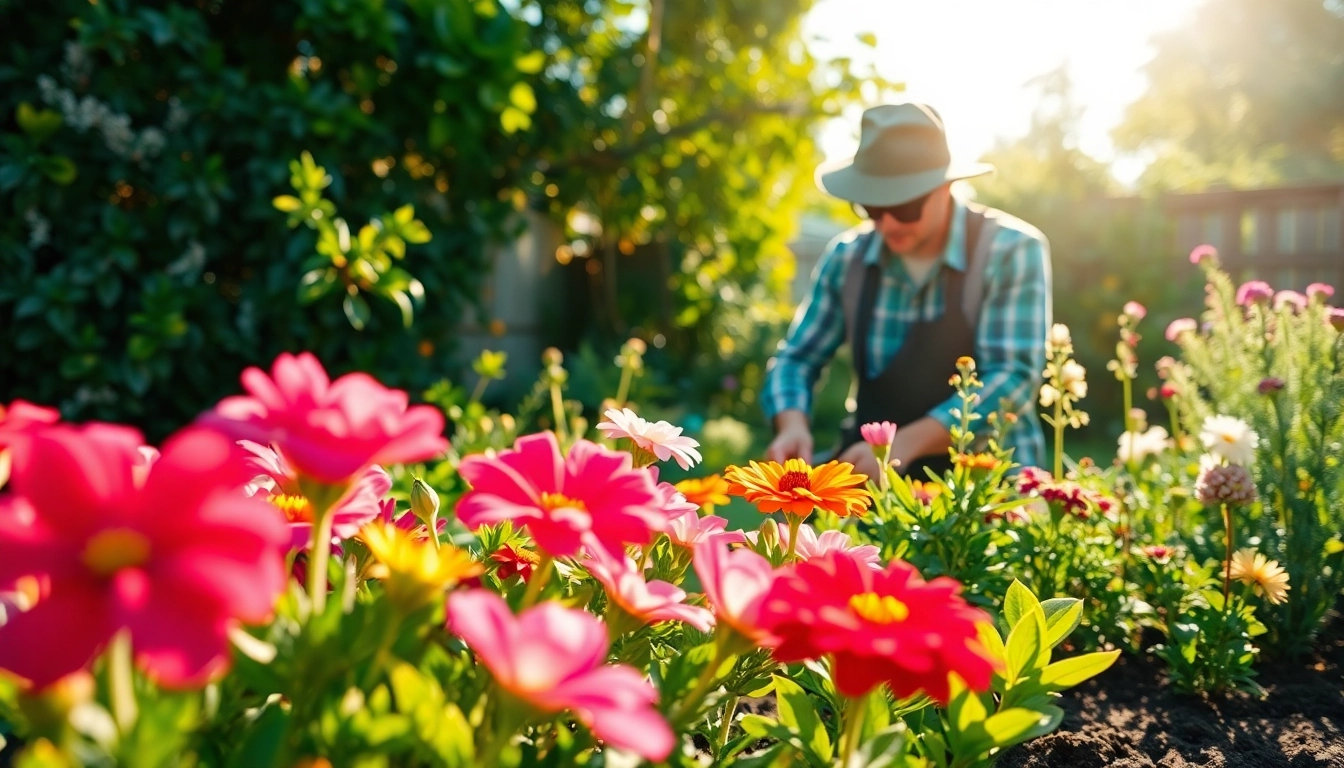
Gardening is much more than just planting seeds and watching them grow; it is an art and science that involves cultivating various plant species for beauty, food, shelter, and numerous other purposes. At its core, gardening requires an understanding of the needs and life cycle of plants, the ecology of the environment, and the techniques that can be used to create a fruitful and aesthetically pleasing space. Many individuals engage in gardening as a means to relax, connect with nature, or even cultivate a sustainable lifestyle.
Types of Gardening Approaches
There are several approaches to gardening, each catering to different preferences, goals, and environmental conditions. These include:
- Traditional Gardening: Utilizes outdoor spaces to plant flowers, vegetables, and shrubs, generally following seasonality.
- Container Gardening: Ideal for those with limited space. Plants are grown in pots or containers, making it easy to manage.
- Raised Bed Gardening: Involves creating elevated garden beds that improve drainage and soil quality.
- Vertical Gardening: Makes use of vertical space by growing plants upwards, often using trellises or wall planters, perfect for urban settings.
- Hydroponics and Aquaponics: Techniques that grow plants in nutrient-rich water rather than soil, often in more controlled environments, minimizing land use.
The Importance of Soil Quality in Gardening
Soil is the foundation of any garden. It provides essential nutrients, retains moisture, and supports plant roots. The quality of your soil will determine the success of your gardening endeavors, making soil testing and amendment crucial. Understanding soil composition, including pH, texture, and microbial health, can help gardeners make informed decisions on improvements. Incorporating organic matter, such as compost, can improve soil health and promote a more robust ecosystem.
Preparing Your Garden Space
Selecting the Right Location
A successful garden begins with the right location. Factors to consider include:
- Sunlight: Most plants require at least 6 to 8 hours of direct sunlight daily. Observe your space throughout the day to identify sunny spots.
- Wind Exposure: Protecting plants from harsh winds can prevent physical damage and moisture loss.
- Accessibility: Ease of access for planting, maintenance, and harvesting is essential for long-term enjoyment.
- Soil Type: Different locations may have different soil characteristics. Testing your soil can inform how to improve or amend it.
Essential Tools for Gardening
Having the right tools can significantly enhance your gardening experience. Essential tools for gardeners include:
- Hand Tools: Spades, trowels, weeding forks, and pruners are necessary for basic cultivation and plant care.
- Gloves and Kneeling Pads: Protect hands and knees while working in the garden to prevent injuries.
- Watering Systems: From simple watering cans to more complex drip irrigation systems, efficient watering is a must.
- Soil Test Kit: A handy tool to assess soil pH and nutrient levels, which is critical for plant health.
Soil Preparation and Enrichment
Preparing your soil is one of the most critical steps in gardening. Start by removing any weeds and debris. Then, you can enhance the soil by:
- Tilling: Aerates the soil, making it easier for roots to penetrate and absorb nutrients.
- Adding Amendments: Incorporate organic matter like compost to improve soil fertility and texture.
- Testing Soil: Regularly testing soil can help inform future amendments and track changes in fertility over time.
Choosing Plants for Your Garden
Understanding Plant Growth Requirements
Each plant has its own unique growth requirements, including sunlight, water, soil type, and nutrients. Understanding these requirements is essential in selecting the right plants for your garden. For instance, some plants thrive in full sun, while others prefer the shade. Moreover, some may require more frequent watering, while others need drought-like conditions. Researching and planning your plant choices according to their specific needs can lead to a thriving garden.
Best Plants for Beginners in Gardening
For novice gardeners, choosing low-maintenance plants can boost confidence and ensure success. Consider starting with:
- Herbs: Basil, rosemary, and mint are great options that thrive in various conditions and are useful in the kitchen.
- Vegetables: Lettuce, radishes, and tomatoes are easy to grow and provide quick results, encouraging continued gardening.
- Flowers: Marigolds and sunflowers not only beautify your space but also attract beneficial insects.
Seasonal Planting Tips and Tricks
Timing is crucial when it comes to planting. The planting season often varies depending on your location and climate. Utilize planting calendars and local gardening resources to guide your schedule. Additionally, incorporating succession planting—where you plant new crops at intervals—maximizes production and keeps your garden vibrant throughout the growing season.
Gardening Techniques and Maintenance
Watering and Irrigation Strategies
Effective watering techniques are vital for plant health and optimal growth. Consider the following strategies:
- Deep Watering: Water deeply less frequently rather than shallowly more often, encouraging deep root growth.
- Drip Irrigation: This method allows for targeted watering, reducing waste and promoting efficient water usage.
- Mulching: Applying mulch around plants helps retain moisture, suppress weeds, and regulate soil temperature.
Pest Management in Gardening
Pest management is an essential aspect of gardening. Employ these strategies:
- Prevention: Maintain healthy soil and plants to prevent infestations.
- Attract Beneficial Insects: Ladybugs and lacewings can control pest populations naturally.
- Integrated Pest Management (IPM): Employ a combination of biological, cultural, and chemical practices to manage pests sustainably.
Seasonal Care for Plants
Maintaining your plants through seasonal changes is crucial for long-term health. Adjust care routines with the changing seasons, including:
- Winter Protection: Mulch and cover plants to protect from frost.
- Spring Preparation: Clean up the garden and prepare for planting by testing soil and adding amendments.
- Summer Maintenance: Ensure consistent watering and manage pests as plants thrive in the warmer months.
Advanced Gardening Concepts
Companion Planting: Benefits and Techniques
Companion planting involves growing different plants in proximity for mutual benefits. For example, planting basil near tomatoes can enhance the flavor of the tomatoes and repel harmful insects. Understanding which plants work well together can maximize yields and improve growth conditions.
Permaculture Practices in Gardening
Permaculture emphasizes sustainable and self-sufficient agricultural ecosystems. It focuses on integrating land, resources, people, and the environment through principles such as diversity, cooperation, and respect for natural patterns. Implementing permaculture concepts can lead to a resilient garden that thrives with minimal human intervention.
Innovative Garden Design Ideas
Designing a garden involves creativity and innovation. Consider these ideas to enhance your gardening space:
- Edible Landscapes: Incorporate food-producing plants into traditional landscaping, making beauty functional.
- Wildlife Gardens: Use native plants to attract pollinators and support local ecosystems.
- Vertical and Vertical Gardening: Utilize walls and fences for a modern aesthetic and increased planting area.
Gardening can be a deeply rewarding hobby or profession, providing both aesthetic beauty and practical benefits. By starting with an understanding of the basics, preparing adequately, and adopting innovative practices, anyone can cultivate a flourishing garden. As you embark on your gardening journey, remember that patience and learning are integral aspects of this ongoing process. For further insights and lessons, consider engaging with the broader community through forums and resources focused on Gardening.