Introduction to Gardening Basics
Gardening is not only a delightful pastime but also a productive way to enhance the beauty of your home while providing access to fresh produce. Whether you're a seasoned green thumb or someone just starting their journey into the world of plants, understanding the basics of gardening can greatly enrich your experience. This article aims to guide you through essential gardening techniques, the importance of planning your garden, maintenance tips, and maximizing small spaces for your gardening endeavors. For those eager to learn more about the joy of nurturing plants, Gardening offers a multifaceted approach to sustainable living and personal fulfillment.
Understanding the Importance of Gardening
The significance of gardening goes far beyond merely growing flowers or vegetables; it's an activity that fosters a deeper connection with nature. Engaging with the earth allows individuals to develop a sense of responsibility and appreciation for the environment. Moreover, gardening has proven health benefits, both for mental wellness and physical fitness. Studies suggest that spending time in green spaces can reduce stress, enhance mood, and even improve cognitive function.
In addition to mental well-being, gardening also encourages healthy eating habits. Homegrown produce is often free of pesticides and other chemicals, offering a cleaner, tastier alternative to store-bought fruits and vegetables. Furthermore, gardening promotes biodiversity and contributes positively to local ecosystems by providing habitats for various species.
Essential Tools for Beginners in Gardening
Starting with the right tools can make a significant difference in your gardening experience. Here’s a list of must-have tools for beginners:
- Hand trowel: Ideal for digging and planting in smaller spaces.
- Garden fork: Useful for loosening soil and turning compost.
- Pruning shears: Essential for trimming plants and maintaining healthy growth.
- Gloves: Protects your hands from dirt and potential injuries.
- Watering can or hose: Efficiently delivers water to your plants.
- Rake: Helps to clear debris and level soil.
- Spade: Needed for larger digging tasks.
Investing in quality tools not only increases your efficiency but also adds to your enjoyment while gardening.
Planning Your Gardening Space
Effective planning is vital for creating a successful garden. It involves understanding the unique conditions of your space, including sunlight, water availability, and layout design.
Evaluating Sunlight and Water Needs in Gardening
Different plants have varying sunlight requirements; some thrive in full sun, while others prefer partial shade. Before planting, observe how sunlight moves across your space throughout the day. A good rule of thumb is that most vegetables require at least six hours of direct sunlight daily, while many flowering plants can flourish in partial shade.
Water accessibility is another crucial factor. Establish a system for irrigation, be it through hose management or drip irrigation, to ensure your plants receive adequate hydration. Remember that overwatering can be as harmful as underwatering, so monitoring soil moisture is essential.
Designing an Efficient Garden Layout
Your garden layout will depend on the types of plants you choose to grow and the available space. Here are some useful strategies for designing an efficient garden:
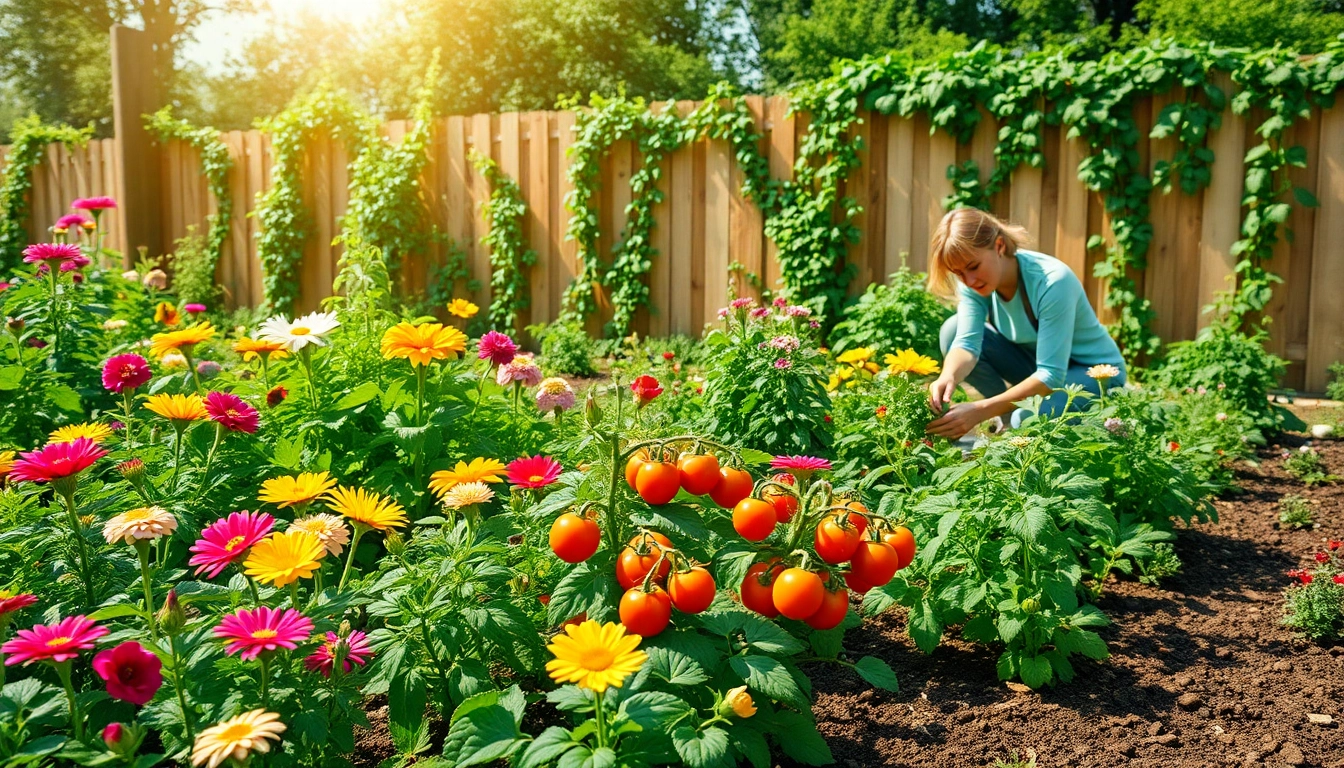
- Consider companion planting: Some plants grow benefits from being near each other, while others may compete for resources. Research beneficial combinations, like tomatoes and basil, which thrive next to one another.
- Use raised beds: This method enhances soil drainage and makes maintenance easier while allowing you to focus your resources.
- Implement pathways: Leave space for walkways between plant beds to facilitate easy access for watering and harvesting.
Taking the time to thoughtfully design your layout can enhance both functionality and aesthetics.
Soil Preparation Techniques for Optimal Growth
Healthy soil is the foundation of a successful garden. Assessing your soil type and improving its quality through various techniques is paramount. Here are some steps to consider:
- Soil testing: A soil test will reveal its nutrient content and pH level, guiding your amendment choices.
- Adding organic matter: Compost, well-rotted manure, or leaf mold can significantly enhance soil fertility, structure, and moisture retention.
- Mulching: Applying mulch helps regulate soil temperature, suppress weeds, and adds additional organic matter as it breaks down.
By laying a strong foundation, you prepare your garden for a productive season ahead.
Planting and Maintaining Your Garden
Once the groundwork is laid, the next phase is planting your selections and ensuring their growth through proper maintenance techniques.
Best Practices for Planting Seeds and Seedlings in Gardening
Transplanting seedlings and sowing seeds require distinct approaches to maximize growth. Here are some best practices to observe:
- Sowing seeds: Follow the specific depth and spacing recommendations for each plant to avoid overcrowding and competition.
- Transplanting: If moving seedings from pots to the garden, handle them delicately to avoid root damage, and plant them at the same depth they were growing in their pots.
Monitoring their progression through the early stages is important for adjusting care as necessary.
Watering and Feeding Guidelines
Watering is one of the most significant aspects of plant care. Here are some useful tips:
- Water deeply and infrequently: Encouraging deep root growth is essential, so water thoroughly, allowing the soil to dry slightly between sessions.
- Feeding: Use organic fertilizers as needed, based on soil tests, to ensure your plants receive adequate nutrients throughout their growing period.
Understanding when and how much to water and fertilize will contribute to a flourishing garden.
Pest Control Strategies for Organic Gardening
Pest problems can easily arise, but organic pest control methods allow you to manage these issues without harsh chemicals. Consider the following:
- Encouraging beneficial insects: Attract pollinators and predators of harmful insects by planting a diversity of flowers.
- Natural repellants: Utilize homemade sprays using everyday ingredients, like garlic or neem oil, to deter pests without harming beneficial species.
Monitoring your plants regularly helps catch pest problems early, allowing for timely interventions.
Adapting Gardening Techniques for Small Areas
Space constraints should not deter you from pursuing gardening. There are several effective methods to maximize limited areas.
Vertical Gardening Ideas for Space Efficiency
Vertical gardening involves growing plants upward rather than outward, making it an ideal solution for smaller spaces. Here are some effective vertical gardening techniques:
- Wall planters: These can be made of wood or metal and are perfect for herbs and flowers.
- Trellises: Use trellises for climbing plants like peas and cucumbers, allowing them to thrive without occupying too much ground space.
Vertical gardens not only save space but can add an attractive design element to your area.
Container Gardening: Maximizing Limited Space
Container gardening is a versatile approach that allows you to grow plants in pots, making it perfect for balconies or patios. Consider these tips:
- Choosing the right containers: Opt for containers that are the right size for the plants you intend to grow and ensure they have proper drainage holes.
- Mixing soil: Use high-quality potting soil that will drain well and retain moisture effectively.
Container gardening enables you to move plants around, optimizing exposure to sunlight and facilitating unique design possibilities.
Utilizing Indoor Spaces for Gardening
Indoor gardening has gained popularity, allowing you to engage with plants year-round. Here are some considerations:
- Light sources: Use grow lights to supplement natural sunlight, especially in areas that receive limited light.
- Plant selection: Consider low-maintenance plants such as succulents or herbs that can thrive indoors.
Creative indoor gardening can enhance your living space, providing greenery and fresh air while making for an engaging hobby.
Harvesting and Enjoying Your Garden
After putting in diligent work throughout the gardening process, the time comes for the rewarding experience of harvesting your produce.
Recognizing When to Harvest Plants
Knowing when to harvest is crucial to enjoying optimal flavors and health benefits. Here’s how to determine the right timing:
- Visual cues: Many fruits and vegetables have specific signs when they are ripe, such as color and size.
- Touch and taste: Squeezing or tasting can help determine readiness, ensuring superior flavor and texture.
Choosing the right time significantly enhances the culinary quality of homegrown produce.
Preserving Your Garden Produce
After harvesting, it’s essential to consider preservation methods to enjoy your produce long after the growing season ends. Here are some methods to preserve your harvest:
- Canning: This classic method involves sealing your produce in jars to extend shelf life.
- Freezing: Many fruits and vegetables freeze well; blanching before freezing can help preserve quality.
Exploring preservation methods can connect you more deeply with the full cycle of gardening.
Sharing Your Gardening Success with Others
Sharing your garden yield can foster a sense of community and shared experiences. Consider organizing community events or sharing produce with friends and family. This not only creates connections but also inspires others to take up gardening, promoting the practice further.
Engaging with local gardening groups, whether online or offline, can also provide additional resources, support, and camaraderie among fellow gardeners.
Gardening, in essence, is a journey rich with lessons and rewards. By understanding the basics, planning appropriately, and adapting techniques for your unique space, you can cultivate a flourishing garden, no matter its size. Explore your passion for Gardening and reap the multitude of benefits it has to offer.