Understanding Hair Transplant UK: A Comprehensive Overview
As the pursuit of a fuller head of hair continues to gain momentum, many individuals are considering a hair transplant in the UK as a viable solution to counteract hair loss. This article will serve as a comprehensive guide, detailing everything you need to know about hair transplant procedures, the intricacies of the process, and what to expect before, during, and after the surgery. With many options available, it is advisable to feel informed and prepared to make the best decision for your unique situation. For insights into specific clinics and options, you can explore hair transplant uk.
What is a Hair Transplant?
A hair transplant is a surgical procedure that involves moving hair follicles from a donor site, usually the back or sides of the scalp, to an area with thinning or no hair. The primary purpose of this procedure is to restore hair in bald or thinning areas, making it particularly appealing for those suffering from androgenetic alopecia, commonly known as male or female pattern baldness.
How Hair Transplant UK Works
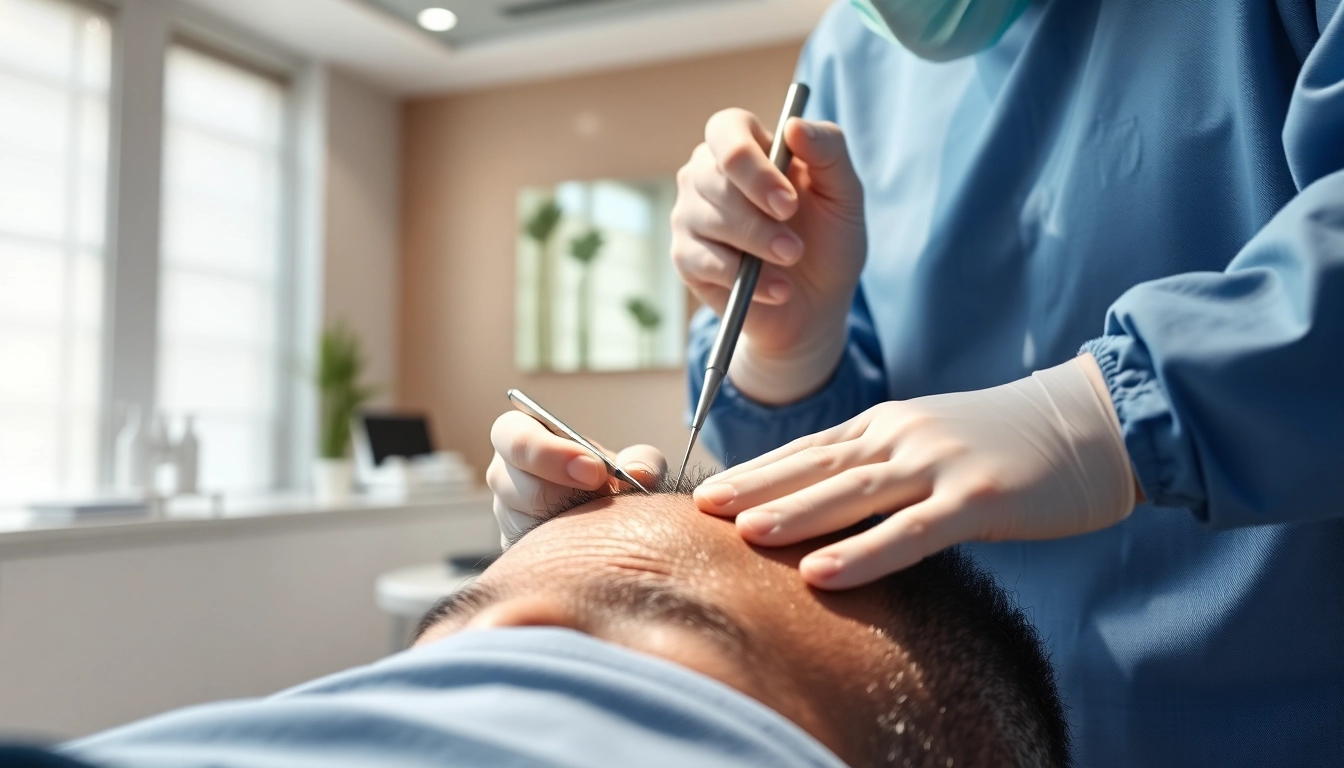
The hair transplant process generally consists of a consultation, pre-operative evaluation, the actual surgery, and post-operative follow-up. Initially, the surgeon assesses the patient’s hair loss condition, discusses the desired results, and creates a tailored treatment plan. During the procedure, local anesthesia is administered to the patient to ensure comfort, followed by the extraction of hair follicles and their implantation into noticeable areas of hair loss.
Types of Hair Transplant Procedures
There are primarily two types of hair transplant techniques used in the UK: Follicular Unit Extraction (FUE) and Follicular Unit Transplantation (FUT).
Follicular Unit Extraction (FUE)
FUE is a minimally invasive technique where individual hair follicles are harvested directly from the scalp. This process leaves tiny scars and offers a quicker recovery time, making it a popular choice among patients.
Follicular Unit Transplantation (FUT)
FUT is a more traditional method that involves removing a strip of scalp from the donor area, which is then dissected into individual grafts before implantation. While this method may leave a linear scar, it tends to yield a higher number of grafts in a single session.
Evaluating the Cost of Hair Transplant UK
Determining the cost of hair transplantation can be a complex task due to varying factors that influence pricing. In this section, we will delve into what shapes these costs and provide a helpful overview of what potential patients can expect.
Factors Influencing Hair Transplant Pricing
The cost of hair transplants in the UK can fluctuate based on several key factors:
- Extent of Hair Loss: The more extensive the hair loss, the more grafts required, contributing to higher costs.
- Technique Used: FUE procedures generally cost more due to their labor-intensive nature compared to FUT.
- Surgeon's Experience: Highly skilled and renowned surgeons often charge premium fees for their expertise.
- Clinic Location: Clinics located in premium areas or major cities may have higher operating costs, affecting patient fees.
- Additional Services: Some clinics offer packages that include pre-operative consultations, medications, and post-operative care, influencing overall pricing.
Average Costs in the UK
In the UK, the price for a hair transplant may range from £1,000 to £30,000, depending on the factors mentioned above. On average, one can expect to pay between £3,000 and £7,000 for routine procedures, while more extensive cases may require substantial financial investment.
Financing Options for Hair Transplants
A promising option for individuals concerned about the financial implications of a hair transplant is to explore financing plans offered by clinics. Many clinics provide flexible payment plans, allowing patients to spread the cost over a period, making the procedure more accessible. It’s vital to discuss financing options during your initial consultation to understand the available offerings and associated terms.
Choosing the Right Clinic for Hair Transplant UK
Choosing the right clinic for a hair transplant is crucial to achieving satisfactory results. Factors like credentials, reputation, and patient experience are vital when making your decision. In this section, we explore the essential elements you should look for when selecting a clinic.
Key Qualities of a Reputable Clinic
When searching for a clinic, keep an eye out for:
- Accreditation: Ensure that the clinic is accredited by relevant medical regulatory bodies.
- Technological Advancements: Look for clinics that utilize the latest technology, as this can improve outcomes significantly.
- Patient Care: Consider clinics that provide a comprehensive care model, including pre-and post-operative support.
Understanding Surgeon Credentials
The experience and credentials of the surgeon performing the hair transplant are of utmost importance. Look for board-certified professionals who specialize in hair restoration, have significant hands-on experience, and possess a solid track record of successful procedures.
Reviews and Patient Testimonials
Reading patient testimonials and reviews can provide insight into the clinic's reputation and the experiences of previous patients. Seek out platforms that offer authentic feedback to make an informed decision.
Aftercare and Recovery for Hair Transplant UK Patients
The recovery process following a hair transplant is just as important as the procedure itself. Proper aftercare fosters healing and enhances the overall success of the surgery. Here are essential points for post-operative care.
Immediate Post-Procedure Care
After the procedure, it’s crucial to follow specific guidelines to ensure proper healing:
- Avoid touching or scratching the scalp.
- Wear bandages as recommended by the surgeon.
- Prevent direct sunlight exposure to minimize irritation and promote healing.
Long-Term Hair Growth Expectations
Patients should have realistic expectations regarding hair regrowth. Typically, transplanted hair falls out within a few weeks of surgery, but new growth may begin within three to six months. The complete results often manifest between six months to a year.
Tips for Optimal Recovery
To optimize recovery and hair growth, follow these tips:
- Maintain a healthy diet rich in vitamins and minerals.
- Follow the surgeon’s guidance regarding hair washing and care.
- Avoid strenuous activities for a few weeks post-surgery.
Debunking Myths About Hair Transplant UK
Misinformation regarding hair transplants can create confusion and deter potential candidates from pursuing this effective solution. Let us demystify some common misconceptions about hair transplant procedures.
Common Misconceptions Explained
A prevalent myth is that hair transplants only benefit men. In reality, women can also successfully undergo hair restoration procedures.
Is Hair Transplant Right for Everyone?
While hair transplants can benefit many, they may not be suitable for everyone. Individuals with certain medical conditions or insufficient donor hair supply may need to consider alternative treatments.
The Realities vs. Expectations
Understanding the realities of what a hair transplant can achieve is essential. It’s vital to have an open dialogue with your surgeon on achievable results based on unique hair and scalp conditions.