Understanding the Moroccan Landscape
Geographical Diversity: From Deserts to Mountains
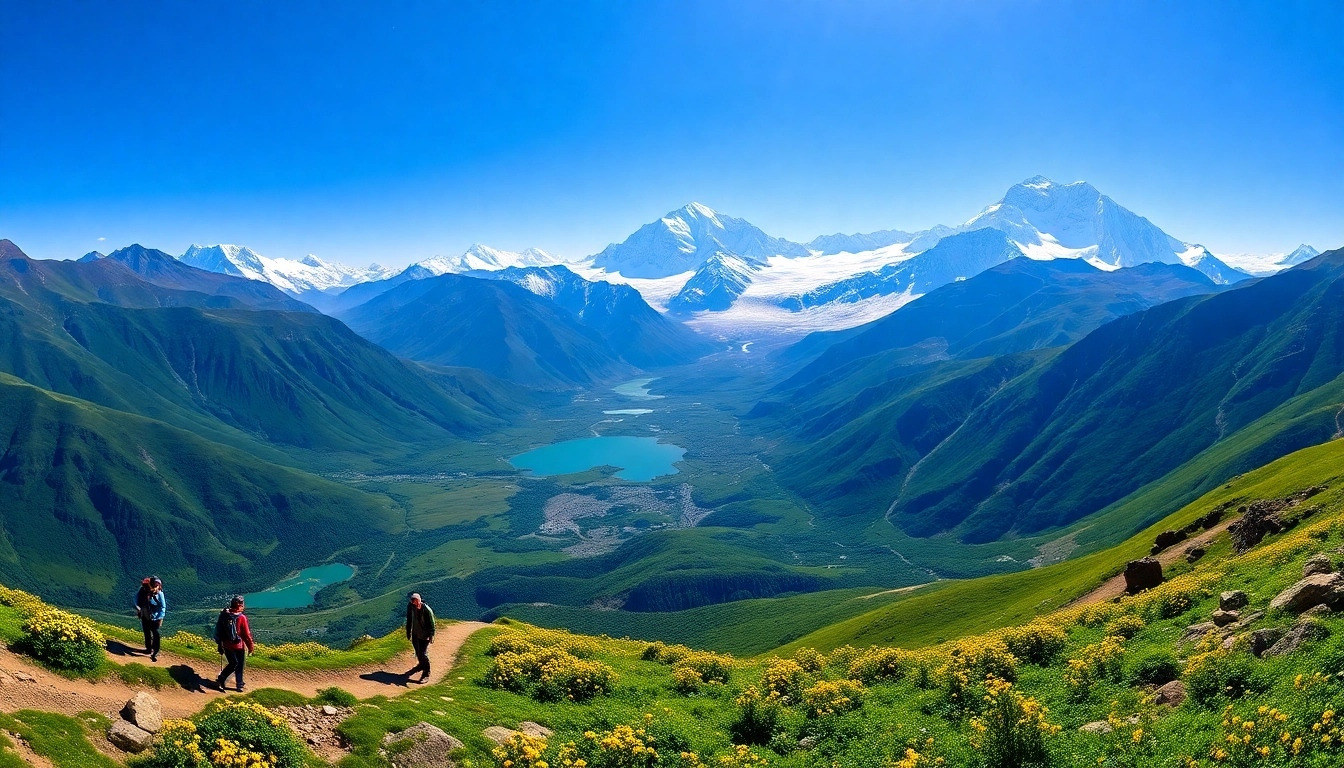
Morocco's geographical diversity is one of its most striking features, offering an extraordinary range of landscapes that showcase the country’s natural beauty. Covering over 446,000 square kilometers, Morocco is home to vast deserts, towering mountains, lush valleys, and stunning coastlines. The Sahara Desert, the world’s largest hot desert, occupies the southeast part of Morocco. Its breathtaking dunes of orange and gold sands create surreal landscapes that are both captivating and alluring. Conversely, the Atlas Mountains dominate the central part of the country, stretching approximately 2,500 kilometers from the southwest to the northeast. The mountains are home to the Berber people, who have inhabited the region for centuries. These high-altitude areas offer excellent hiking opportunities and breathtaking views, punctuated by traditional villages clinging to the mountainsides. Northward, the Rif Mountains provide yet another contrast, characterized by their green hills and dramatic cliffs, leading down to the Mediterranean coast. Both coastal areas, like Essaouira and Agadir, and inland regions, such as the fertile plains of the Saïs and the Souss valleys, create a mosaic of ecosystems that are not only beautiful but also support a vibrant array of flora and fauna. Visitors seeking adventure can easily explore Morocco’s diverse terrains, whether it’s trekking through the High Atlas or enjoying leisure time on the sandy beaches of the Atlantic Ocean, making it a unique experience for anyone to visit morocco.
Cultural Regions: A Fusion of Traditions
Morocco's cultural landscape is a vibrant tapestry woven from various threads of Berber, Arab, African, and European influences. Each region boasts its distinct customs, dialects, and traditions, creating a rich cultural mosaic that can be seen in everything from music and dance to art and architecture. The southern regions, heavily influenced by Berber culture, showcase traditional practices such as carpet weaving and pottery. In contrast, the northern parts reflect a blend of Arab and Andalusian heritage, with its historical cities displaying stunning Moorish architecture. Cities like Fez, known for its medieval medina, and Marrakech, renowned for its vibrant souks, represent the heart of Moroccan culture, melding past and present in their daily life. Morocco’s cultural festivals frequently highlight this rich heritage. For example, festivals like the Fes Festival of World Sacred Music and the Marrakech Popular Arts Festival celebrate both traditional and contemporary arts. Visitors are encouraged to immerse themselves in these cultural experiences, which often provide insight into the local way of life and foster appreciation for Morocco’s diversity.
Climate Overview: Best Times to Visit Morocco
Understanding Morocco’s climate is crucial for planning a successful trip. The country experiences a diverse climate due to its varied geography. The coastal areas enjoy a mild Mediterranean climate, characterized by warm summers and cool, wet winters. In contrast, the interior regions and the Sahara Desert experience extreme temperatures, with scorching heat during the day and drastically cooler nights. The best time to visit Morocco generally spans from March to May (spring) and September to November (autumn). During these periods, temperatures are moderate, and the landscape is often adorned with blooming flowers in spring or changing colors in autumn, making it visually stunning for travelers. The peak summer months of June to August can be overly hot, particularly in the desert regions, while winter months (December to February) bring cooler temperatures, especially in the mountainous areas where snow is common. Choosing the right time to visit can significantly impact your experience in Morocco, so planning according to the climate will help enhance your journey through the country.
Must-See Attractions During Visit Morocco
Exploring Marrakech’s Historic Medina
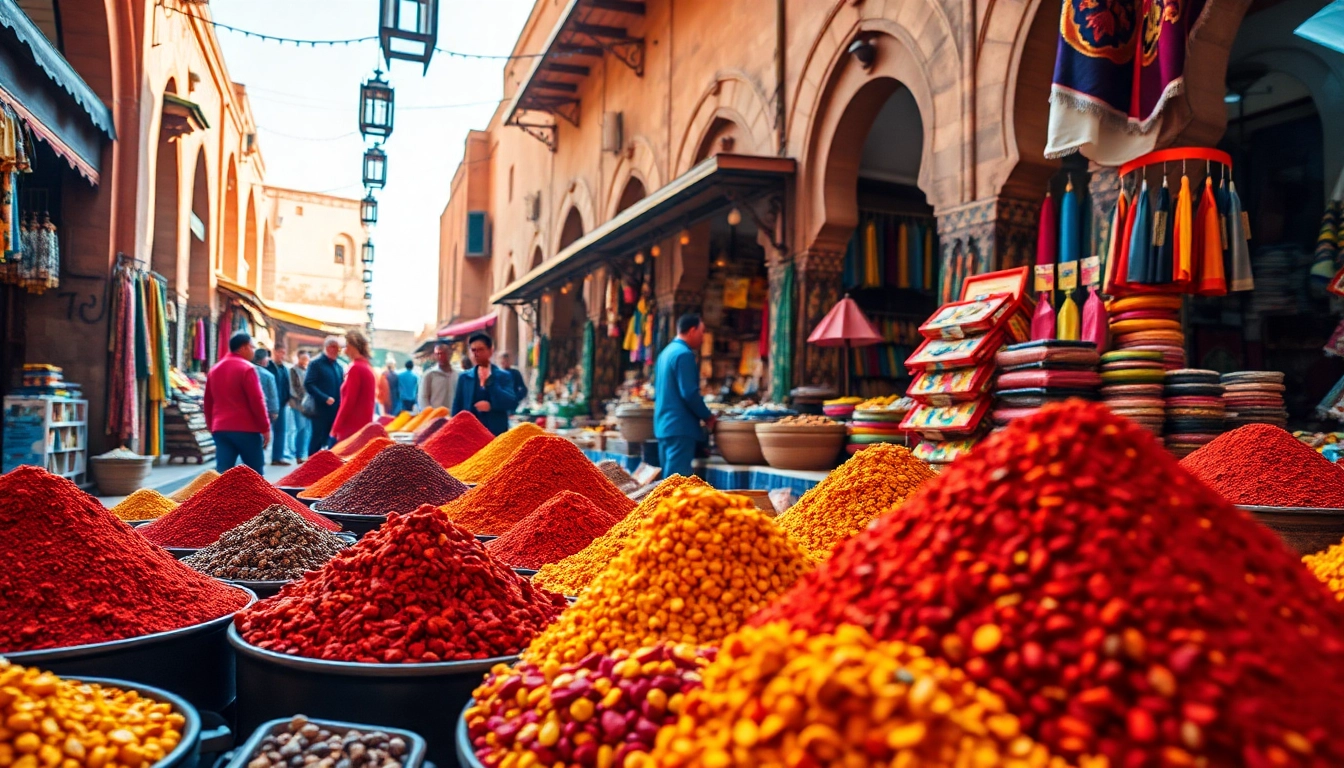
Marrakech, often referred to as the "Red City" due to the distinctive red ochre walls of its medina, is a must-visit destination for anyone traveling to Morocco. The historic medina is a UNESCO World Heritage site, brimming with narrow winding alleys, bustling souks, and exquisite architecture that reflects the city’s rich history. One of the most fascinating aspects of the medina is its vibrant marketplace, where artisans showcase their craftsmanship. From intricate pottery to exquisite textiles, the souks provide an authentic shopping experience. Visitors can also explore iconic sites like the Koutoubia Mosque, which towers above the city and serves as a stunning example of Islamic architecture. Additionally, the Jemaa el-Fnaa square, located in the heart of the medina, comes alive with street performers, food stalls, and musicians in the evenings. It’s a sensory overload that introduces visitors to Moroccan culture and hospitality. Whether indulging in traditional Moroccan tea at a local café or exploring the historical significance of the Saadian Tombs, Marrakech’s medina offers an unforgettable glimpse into the past.
The Majestic Atlas Mountains
A visit to Morocco is not complete without experiencing the allure of the Atlas Mountains. This stunning mountain range is home to diverse landscapes, ranging from snow-capped peaks to lush valleys dotted with charming Berber villages. The region is a paradise for outdoor enthusiasts, offering opportunities for hiking, climbing, and exploring natural wonders. One of the most popular destinations within the Atlas Mountains is Toubkal National Park, home to Mount Toubkal, the highest peak in North Africa. Trekkers can challenge themselves with a hike to the summit, which rewards them with breathtaking panoramic views of the surrounding landscape. In addition to its natural beauty, the Atlas Mountains are rich in culture. The Berber people, who have lived in these mountains for generations, maintain traditional lifestyles and customs. Visitors often find themselves welcomed into local homes, experiencing breathtaking hospitality and delicious home-cooked meals. Engaging with the local community enhances understanding of their culture and provides an authentic connection to the region.
Discovering Coastal Gems: Essaouira and Agadir
Morocco's coastal cities offer a different flavor of the country's cultural and geographical diversity. Essaouira, a UNESCO World Heritage site, is renowned for its well-preserved medina and vibrant arts scene. The city’s blue and white buildings mesmerize visitors, and its impressive ramparts offer stunning views of the Atlantic Ocean. Walking through Essaouira’s bustling medina, one can discover local artisans selling jewelry, woodwork, and the famous Essaouira paintings. The city's laid-back atmosphere makes it perfect for enjoying fresh seafood at local eateries or taking a leisurely stroll along the beach. Agadir, another coastal gem, is known for its beautiful sandy beaches and modern resort feel. It is particularly popular among beachgoers and surfers, thanks to its favorable climate and consistent waves. Moreover, Agadir’s vibrant nightlife, with numerous bars and restaurants, attracts travelers looking to unwind after a day in the sun. Its proximity to the Anti-Atlas Mountains also allows easy exploration of stunning landscapes without straying too far from the coast. For those seeking relaxation or adventure, Morocco’s coastal towns, whether exploring the artistic heritage of Essaouira or basking in the sun on Agadir’s beaches, offer diverse experiences that cater to every traveler.
Culinary Delights: Savors of Morocco
Traditional Dishes to Try When You Visit Morocco
Moroccan cuisine is a delightful fusion of flavors, spices, and techniques that reflect the country's diverse cultural influences. Traditional dishes often highlight the use of fresh ingredients, aromatic spices, and elaborate cooking methods. One cannot visit morocco without indulging in some iconic dishes. The most famous Moroccan dish is undoubtedly the tagine, a slow-cooked stew typically made with meat, vegetables, and a rich blend of spices, served in a distinctive conical pot. Variations abound, including chicken with preserved lemons and olives, lamb with apricots, or vegetarian versions loaded with seasonal vegetables. Another must-try is couscous, often served on Friday as part of a traditional family meal. This staple grain is usually accompanied by meat and vegetables, making it a hearty and fulfilling dish. Furthermore, while in Morocco, one should not miss out on pastilla, a savory-sweet pie traditionally filled with pigeon or chicken, paired with a sprinkle of cinnamon and powdered sugar for that unique Moroccan flavor fusion. Moroccan meals are typically accompanied by mint tea, often referred to as "Moroccan whisky." This sweet, refreshing beverage is a symbol of hospitality and is a staple at every meal.
Street Food Adventures: An Authentic Experience
For those seeking a true taste of Morocco, street food offers some of the most authentic culinary experiences available. From bustling medinas to lively squares, food stalls brim with aromatic offerings that invite passersby to indulge. In cities like Marrakech and Fez, travelers can find vendors selling delicious snacks such as grilled kebabs, spicy merguez sausages, and fresh seafood. One popular street food to try is b’sara, a warm fava bean soup often enjoyed with bread, especially during the cooler months. Another must-try is the soujouk, a local sausage that bursts with flavor, grilled to perfection. Food markets also offer sweets like chebakia, a deep-fried pastry coated in honey and sesame seeds. Engaging with street food vendors not only provides an opportunity to sample Morocco’s diverse flavors, but also offers insight into the local culture. Each dish tells a story, reflecting the country's culinary heritage which has been shaped by various cultures over centuries.
Dining Etiquette: How to Enjoy Meals in Morocco
Dining in Morocco goes beyond the food; it is a cultural experience steeped in rich traditions. Observing local dining etiquette will significantly enhance your experience and show respect for Moroccan customs. Moroccan meals often start with washing hands in a communal bowl. It is customary to eat with your right hand, particularly when enjoying dishes served on a communal platter. Guests are usually invited to partake in the meal once the host begins eating, which signifies that it is time to enjoy the food together. Sharing is an integral part of Moroccan dining culture. Dishes like tagine and couscous are served family-style, encouraging a sense of community. Traditional desserts like fresh fruit or pastries are typically enjoyed towards the end of the meal, accompanied by soothing mint tea. When dining in Morocco, taking your time to savor each dish and engaging in conversation with your hosts is encouraged. This enhances the dining experience, creating memorable connections and cultural appreciation.
Practical Travel Tips for Visit Morocco
Navigating Transportation: What You Need to Know
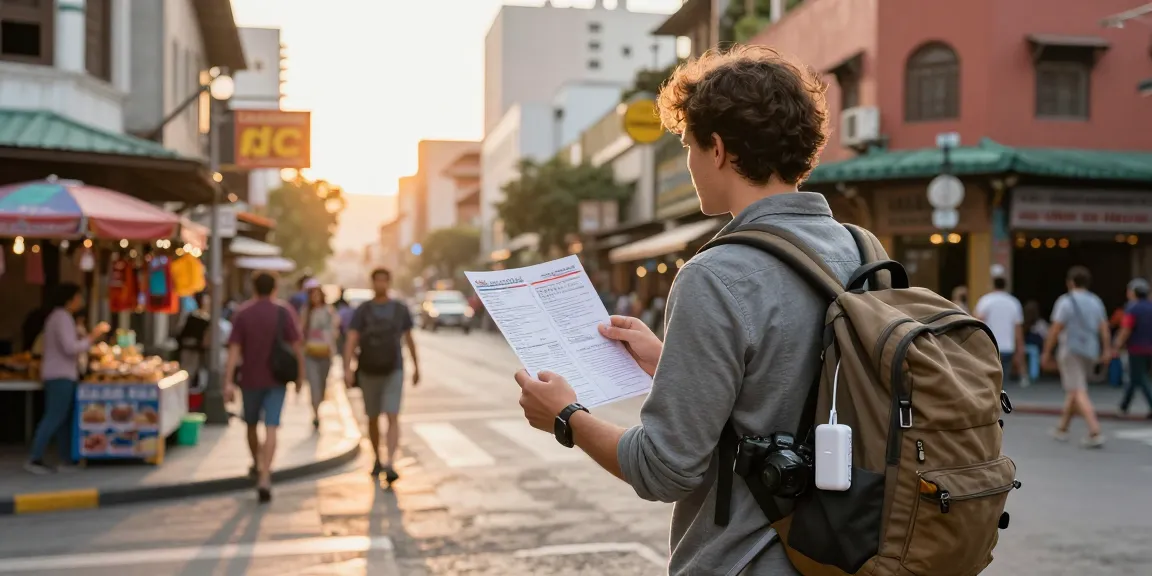
Navigating Morocco can be an adventure in itself, given the country's diverse transport options. While larger cities like Marrakech and Casablanca offer modern public transportation, exploring small towns and rural areas often requires alternative methods of travel. Buses are widely available and can be a cost-effective way to traverse cities. Larger bus companies provide services between major cities, while local buses connect smaller towns. The ONCF train service offers pleasant travel between prominent cities like Casablanca, Marrakech, and Tangier, providing a comfortable and efficient option for travelers. For those willing to embrace the bustling local culture, shared taxis (called "grand taxis") are a popular mode of transport in cities. These run on fixed routes and can be a practical way to get around. However, for more remote areas or if seeking a more personalized experience, hiring a private driver or booking a guided tour is recommended. In any case, planning transportation ahead of time will enhance your travel experience, ensuring you get the most out of your visit to Morocco.
Accommodation Choices: Where to Stay
When it comes to accommodations, Morocco offers a wide range of options to suit diverse tastes and budgets. From luxury hotels to traditional riads and budget hostels, visitors can find the perfect spot for their stay. Riads are traditional Moroccan homes that have been converted into guesthouses, often featuring beautiful courtyards and stunning tile work. Staying in a riad provides an intimate glimpse into Moroccan culture and hospitality, often offering personalized service and authentic breakfasts. For those seeking luxury, numerous high-end hotels and resorts provide world-class amenities and services, often in breathtaking locations. Many of the upscale establishments have spas, gourmet restaurants, and stunning vistas of the surrounding landscapes, catering to travelers looking for comfort and indulgence. On the other hand, hostels and budget accommodations can be found in most cities, providing travelers with affordable options without sacrificing comfort. No matter the budget, accommodation choices in Morocco are plentiful and cater to various preferences.
Safety and Health Advice for Travelers
Traveling in Morocco can be a safe and rewarding experience, but it’s essential to take specific precautions and travel smartly. The main cities are generally safe for tourists; however, being aware of your surroundings and exercising common sense is key. It’s advisable to dress modestly, especially when visiting rural areas or religious sites to show respect for local customs. Additionally, keeping valuables secure and avoiding displaying expensive items will help minimize any potential risks. In terms of health, travelers are urged to stay hydrated, particularly in the warmer months. Drinking bottled water is generally recommended, and caution should be taken with street food if you have a sensitive stomach. Health insurance that covers international travel is advisable to ensure peace of mind during your stay. Overall, adhering to these travel tips will help ensure your trip to Morocco is both enjoyable and safe.
Immersive Cultural Experiences: Engage with Moroccans
Participating in Local Festivals and Events
Experiencing local festivals is a fantastic way to immerse yourself in Moroccan culture. Throughout the year, various events celebrate the country’s heritage, music, and art, offering visitors unique insights into the local way of life. Festivals like the Marrakech International Film Festival not only showcase local and international films but also attract celebrities and filmmakers from around the world. Each year, the festival shines a spotlight on Morocco’s cinematic talent alongside international productions, making it an excellent gathering for film enthusiasts. The Gnaoua World Music Festival in Essaouira is another culturally enriching event that celebrates the country’s rich musical heritage. The festival features performances by renowned artists, creating an electrifying atmosphere of music and dance that brings locals and tourists together. Such events are perfect opportunities to mingle with locals and engage in a deeper understanding of Moroccan traditions. Attending these festivals not only provides entertainment but also fosters connections with the vibrant Moroccan culture, enhancing your overall travel experience.
Learning Arabic and Berber: Essential Phrases
While many Moroccans speak French and English, learning a few basic phrases in Arabic and Berber can go a long way in enhancing your interactions with locals. Knowing greetings, pleasantries, and common expressions can show respect and willingness to engage with the culture. For example, simple phrases like "Salam" (Hello) and "Shukran" (Thank you) are great starting points. Saying "Bessah" (Enjoy your meal) when sharing food shows appreciation for your hosts’ hospitality. Learning some basic phrases may not only facilitate smoother communication but also enrich your experience as you engage with locals. Moroccans are often warm and appreciative of any effort made to speak their language, fostering a deeper connection during your visit.
Artisan Workshops: Crafting Your Own Souvenir
One of the most rewarding ways to engage with Moroccan culture is through participating in artisan workshops. Many cities host workshops where travelers can learn traditional crafts such as pottery, tile-making, or leatherworking. In Marrakech, for example, workshops allow you to create your own unique ceramics, exploring techniques that have been passed down through generations. Not only does this provide an opportunity to learn about Moroccan artistry, but it also results in a personal keepsake that reflects your experience in the country. Attending an artisan workshop supports the local economy and helps preserve traditional crafts that might be at risk of fading into obscurity. Engaging in these hands-on experiences not only creates lasting memories but also fosters a sense of connection with the local culture and artisans behind the craft. By the end of your trip, the stories, skills, and experiences gained through these workshops will significantly enrich your understanding of Morocco’s diverse cultural landscape.