Understanding AC Replacement Poughquag
Air conditioning systems are essential for maintaining comfort in our homes, especially during the hot summer months. In Poughquag, the demand for reliable and efficient air conditioning is high. This article focuses on everything related to ac replacement poughquag, exploring when and why you might need a replacement, the benefits of a new system, and vital installation and maintenance tips.
What is AC Replacement?
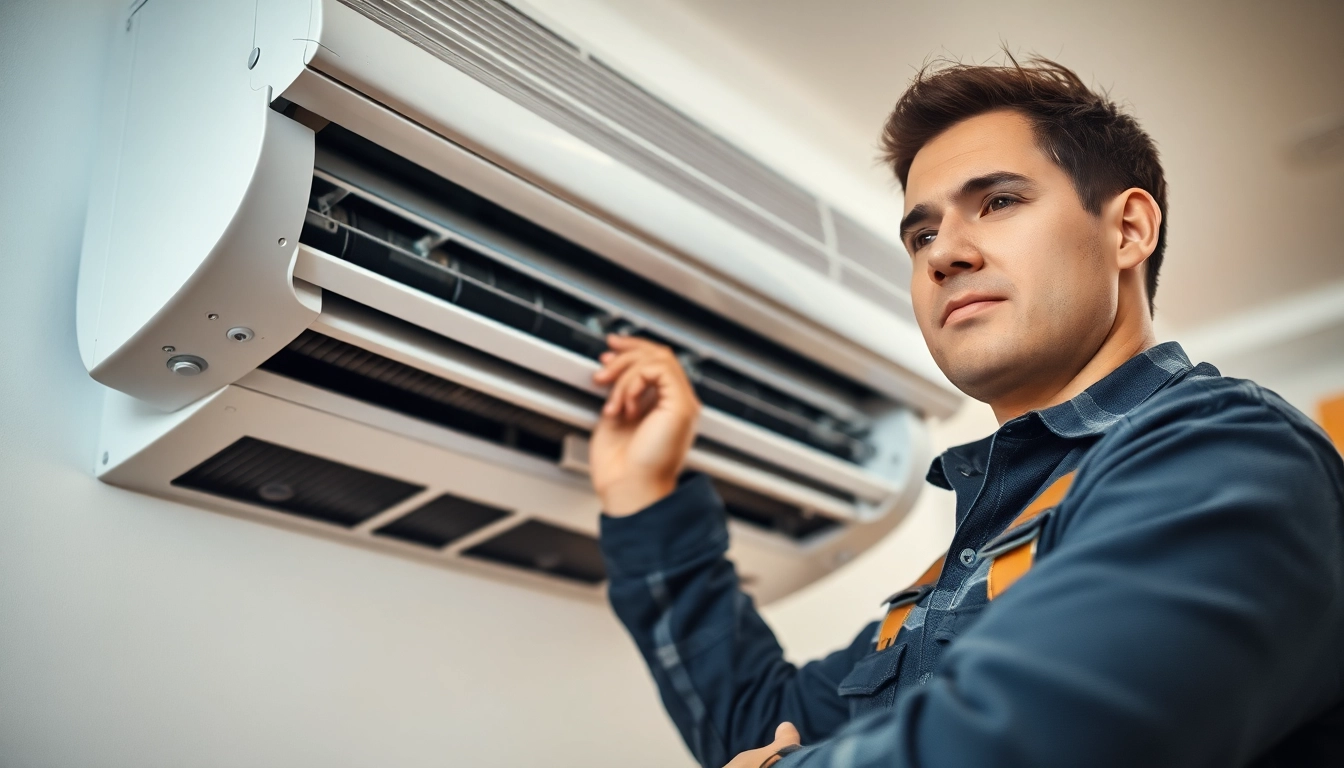
AC replacement refers to the process of removing an outdated or malfunctioning air conditioning unit and installing a new one. Upgrading an air conditioner is often necessary when the existing system is beyond repair, inefficient, or outdated. A replacement can lead to improved energy efficiency, enhanced comfort, and lower energy bills.
Signs Your AC Needs Replacement
Recognizing the right time for an AC replacement can save you money and improve home comfort. Here are some immediate signs:
- Increased Energy Bills: If your electricity bills have surged while the usage has remained consistent, your AC may be struggling to operate efficiently.
- Frequent Repairs: If you find yourself calling repair services regularly, it may be more cost-effective to invest in a new unit.
- Age of the System: Most air conditioning units last about 10 to 15 years. If yours is nearing this age, consider a replacement.
- Inconsistent Cooling: Hot and cold spots in your home can indicate that your AC isn’t effectively cooling the entire space.
- Unusual Noises or Smells: Strange sounds or odors coming from your unit may signal a serious issue that could warrant replacement.
Benefits of a New AC System
Investing in a new air conditioning unit offers numerous advantages:
- Improved Energy Efficiency: New models often boast higher SEER (Seasonal Energy Efficiency Ratio) ratings, translating to lower utility bills.
- Enhanced Comfort: Modern systems provide better humidity control and consistent temperatures across your home.
- Reduced Environmental Impact: Upgrading to energy-efficient models reduces your carbon footprint and conserves energy resources.
- Increased Home Value: A new AC can improve your property’s overall value and make it more attractive to potential buyers.
Choosing the Right Air Conditioner
Selecting the right air conditioning unit involves considering various factors. Here's what you need to know:
Types of Air Conditioning Units
There are several types of air conditioning systems available in Poughquag:
- Central Air Conditioning: Ideal for cooling larger homes, central air conditioning systems distribute cool air through a network of ducts.
- Window Units: These are suitable for single rooms and are easier to install, making them budget-friendly.
- Split Systems: These have an indoor and outdoor unit, allowing for flexible installation and more efficient cooling.
- Portable Units: These are movable units that can cool specific areas, convenient for renters or those needing supplemental cooling.
Factors to Consider for Selection
Before making a purchase, keep these factors in mind:
- Size of the AC Unit: Ensure the unit is appropriately sized for your space. An undersized unit will struggle to cool, while an oversized one may lead to inefficiency.
- Energy Efficiency: Look for models with high SEER ratings, indicating better energy consumption.
- Noise Levels: Consider the noise output of the unit if you prefer a quiet operation.
- Features: Advanced features such as smart thermostats, programmable settings, and variable-speed compressors can enhance efficiency and comfort.
Evaluating Energy Efficiency Ratings
Energy efficiency ratings play a critical role in your long-term savings. Ratings like SEER and EER (Energy Efficiency Ratio) provide insight into how much energy the unit consumes relative to its cooling output. Higher ratings often mean lower operating costs. Be sure to compare ratings when researching different models.
Installation Process for AC Replacement Poughquag
The installation process is crucial for ensuring your new AC system operates efficiently. Here’s what to expect:
Preparing for Installation
Before the installation day, several preparations should be made:
- Assessment: A professional should assess your home to recommend the best unit type and size.
- Site Preparation: Clear the area where the outdoor unit will be placed to ensure accessibility for installation.
- Power Source Check: Ensure that your home's electrical system can handle the new AC unit’s requirements.
Steps Involved in the Installation
The installation process generally involves the following steps:
- Removing the old AC unit, which may require disconnecting power and refrigerant lines.
- Installing the new unit, ensuring proper placement and secure connections to electrical and plumbing systems.
- Testing the system to ensure it functions correctly, including checking airflow and temperature accuracy.
- Providing a walkthrough of the unit’s operation and care tips for the homeowner.
Post-Installation Checklist
After installation, conduct a checklist:
- System Testing: Ensure the unit powers on and cools effectively.
- Documentation: Keep manuals and warranty info accessible for future reference.
- Educate Yourself: Understand the basic operations and maintenance tasks required for your new system.
Cost Considerations in AC Replacement
The cost of replacing an AC unit can vary significantly based on several factors, including the type of unit and installation complexity. Understanding these costs can help you budget better:
Average Costs for AC Replacement Poughquag
The cost of AC replacement in Poughquag may range, but on average, you can expect to pay between $3,000 to $7,000, depending on the system type and installation requirements. Always request multiple quotes from trusted professionals to ensure you receive a fair price.
Financing Options Available
Many companies offer financing options to help manage the costs associated with AC replacement. Explore options like low-interest financing, payment plans, or leasing programs to make the investment more manageable.
Long-Term Savings on Energy Bills
Investing in an energy-efficient AC system can yield significant savings on your long-term energy bills, often offsetting the initial replacement costs within a few years through decreased utility expenses. Look for systems designed for high efficiency to maximize your savings.
Maintenance Tips Post Replacement
Routine Care for AC Systems
Implement routine maintenance tasks such as:
- Filter Replacement: Change or clean filters every one to three months, depending on usage, to ensure optimum airflow.
- Clean the Outdoor Unit: Regularly remove debris around the condenser and ensure proper airflow around the unit.
- Schedule Professional Inspections: Have a qualified technician check the system annually for optimal operation.
Signs Indicating Need for Service
Stay vigilant for indicators that your system may require professional service:
- Increased Noise Levels: If your AC starts making unfamiliar sounds, it's a signal that something may be amiss.
- Unusual Odors: A burning smell or any unusual odor could indicate electrical or mechanical issues.
- Inability to Maintain Temperature: If your system cannot keep up with desired settings, it may need inspection.
DIY Maintenance versus Professional Help
While certain maintenance tasks can be handled by homeowners, like cleaning filters and ensuring the outdoor unit is clear, some tasks are best left to professionals. Regular professional inspections will extend the life of your AC system and ensure it runs effectively.
Frequently Asked Questions
1. How often should I replace my air conditioner?
On average, air conditioners should be replaced every 10 to 15 years, but this can vary based on usage, maintenance, and type of unit.
2. What is the average cost of AC replacement in Poughquag?
The average cost ranges between $3,000 to $7,000, depending on the system type and installation specifics.
3. How can I improve my AC unit's efficiency?
Regularly replace filters, clean the outdoor unit, and schedule annual professional maintenance to keep your system running efficiently.
4. Are there financing options available for AC replacement?
Yes, many companies offer financing options such as low-interest loans and payment plans to help manage replacement costs.
5. What is the benefit of upgrading to a new AC system?
Upgrading provides improved energy efficiency, enhanced comfort, lower energy bills, and can increase your home’s overall value.