Understanding Flooring Options Near Me
The quest for the perfect flooring solution can often feel overwhelming, especially with the myriad of options available today. From classic hardwood to cutting-edge luxury vinyl flooring, understanding your choices will guide you towards a solution that meets both your aesthetic and practical needs. If you're searching for flooring near me, this guide will explore various materials, trends, and installation tips that can elevate your home’s interior.
Types of Flooring Available
When it comes to flooring, the selection is vast. Below are some of the most popular types currently available:
- Hardwood Flooring: Timeless and elegant, hardwood adds natural beauty to any space. It’s durable and can last for decades with proper care.
- Laminate Flooring: This cost-effective option mimics the appearance of wood or stone. It’s easy to install and maintain, making it a popular choice for DIY enthusiasts.
- Tile Flooring: Available in a myriad of styles, colors, and materials, tile flooring is versatile and water-resistant, making it ideal for kitchens and bathrooms.
- Carpet: Offering comfort and warmth, carpets come in various textures and colors. They also provide sound insulation, making them a preferred choice for bedrooms and living areas.
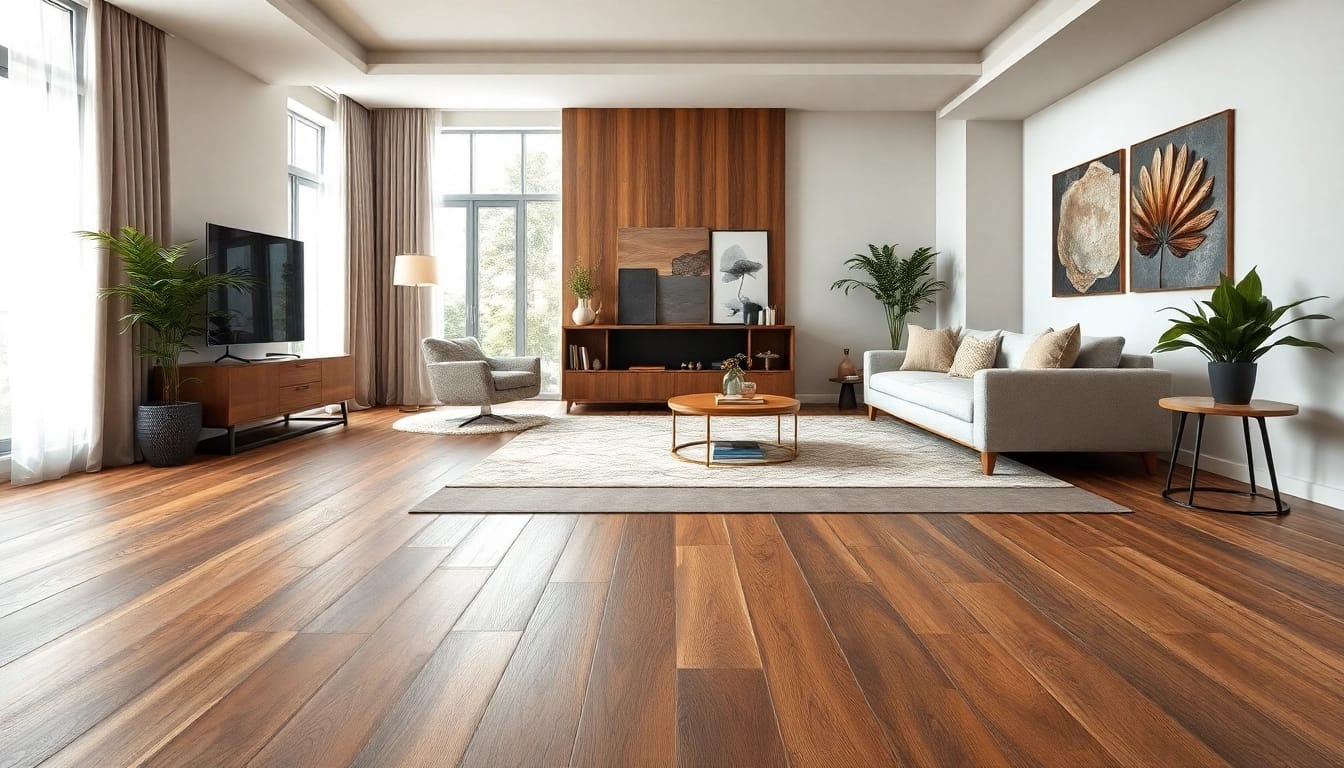
- Luxury Vinyl Flooring (LVP): This modern solution is gaining popularity due to its realism, durability, and water resistance. It offers a diverse range of styles while being comfortable underfoot.
Benefits of Luxury Vinyl Flooring
Luxury vinyl flooring has emerged as a leading choice for homeowners for several compelling reasons:
- Affordability: Compared to traditional hardwood or stone, LVP is a cost-effective alternative that does not compromise on aesthetics.
- Durability: LVP is designed to withstand heavy foot traffic, scratches, and stains, making it ideal for busy homes and commercial spaces.
- Water Resistance: Its water-resistant properties make LVP a suitable choice for areas prone to moisture, such as bathrooms and kitchens.
- Easy Maintenance: Cleaning is simple, requiring only regular sweeping and occasional mopping, making it a practical choice for families.
- Variety of Designs: LVP is available in a wide range of designs that replicate natural materials, allowing homeowners to find the perfect match for their decor.
Why Choose Local Suppliers
Selecting local suppliers for your flooring projects comes with distinct advantages:
- Personalized Service: Local businesses typically offer tailored advice and recommendations based on specific customer needs.
- Community Support: Purchasing from local suppliers contributes to the local economy, fostering community growth.
- Easy Accessibility: Proximity means convenience during consultations and material pickups or deliveries.
- Local Knowledge: Local suppliers are familiar with the trends and preferences in your area, ensuring a perfect fit for your space.
- Warranty and Service: Many local suppliers provide better after-sales service, including warranties and installation assistance.
The Process of Choosing Flooring Near Me
Assessing Your Space and Needs
Before making a decision, it's crucial to assess your space and understand your needs:
- Identify the Room's Function: Different rooms have different requirements. For example, high-traffic areas may need more durable materials.
- Consider your Style Preferences: Think about the overall aesthetic of your home and how your flooring choice will complement it.
- Evaluate Natural Light: Rooms with a lot of natural light can handle darker flooring, whereas dimly lit rooms may need lighter shades to brighten them up.
- Check for Moisture Levels: Areas like basements or bathrooms require moisture-resistant flooring options.
Budgeting for Your Flooring Project
Establishing a budget upfront helps you manage costs and avoid surprise expenses during your flooring project. Here are some steps to consider:
- Cost of Materials: Research pricing for various flooring types, including LVP, hardwood, and carpet.
- Installation Costs: Factor in the cost of professional installation or consider if you’ll tackle the project yourself.
- Additional Expenses: Don’t forget to budget for underlayment, removal of old flooring, and any necessary repairs to your subfloor.
- Long-term Costs: Consider the durability and required maintenance of your chosen flooring type to gauge long-term costs.
Finding Reliable Installers
To ensure a successful installation, finding a reliable installer is paramount. Here’s how to go about it:
- Seek Recommendations: Ask friends, family, or neighbors for installer recommendations based on their experiences.
- Check Credentials: Verify that the installer is licensed, insured, and experienced in handling your specific flooring type.
- Read Reviews: Look for online reviews and portfolio examples to gauge the quality of their work.
- Get Multiple Quotes: Collect estimates from several installers to compare services and pricing before making your choice.
Installation Tips for Flooring Near Me
Preparing Your Home for Installation
Preparation is key to a smooth flooring installation. Follow these steps to prepare your home:
- Clear the Area: Remove all furniture, fixtures, and any items that may obstruct the installation process.
- Check Acclimation Needs: If your chosen flooring requires acclimation, leave the materials in the installation area for the recommended time.
- Inspect the Subfloor: Ensure that the subfloor is clean, dry, and level before installation begins.
- Provide Access: Make sure that installers have easy access to the area and any areas that may require additional materials or tools.
Maintenance Recommendations
Maintaining your flooring is essential for longevity and aesthetics. Regular care will keep it looking new:
- Regular Cleaning: Sweep, vacuum, or dry mop frequently to remove dirt and debris that can scratch the surface.
- Use Appropriate Cleaning Products: Choose cleaners that are suitable for your specific flooring type to avoid damaging it.
- Avoid Excess Water: Especially for LVP and hardwood, avoid leaving excess water that can cause warping or mold.
- Implement Area Rugs: Use area rugs in high-traffic areas to protect your flooring from wear and tear.
Common Mistakes to Avoid
A successful flooring installation depends on avoiding common pitfalls. Here are mistakes to steer clear of:
- Skipping the Research: Failing to educate yourself on flooring types can lead to poor choices based on aesthetics alone.
- Ignoring Subfloor Issues: Not addressing subfloor concerns can lead to costly repairs down the line.
- Overlooking Underlayment: Skipping underlayment can compromise comfort and lead to noise issues.
- Pushing the Timeline: Rushing the installation process can lead to mistakes. Allow installers the time needed for quality work.
Local Trends in Flooring Design
Popular Colors and Patterns in 2024
As we look toward contemporary design, certain trends are emerging in flooring:
- Warm Neutrals: Shades like beige, taupe, and soft grays remain popular, providing a timeless foundation for decor.
- Bold Patterns: Geometric prints and textures are making waves, offering a unique touch to both luxury vinyl and tile options.
- Dark Wood Tones: Rich, dark finishes are becoming chic, adding depth and sophistication to spaces.
- Textured Finishes: Flooring with a texture that mimics the look of natural wood or stone is gaining traction for its authenticity.
Eco-Friendly Options for Sustainable Living
As sustainability becomes increasingly significant, eco-friendly flooring options are being prioritized:
- Bamboo Flooring: Renewable and biodegradable, bamboo provides a sustainable alternative to traditional hardwoods.
- Cork Flooring: Known for its cushioning and thermal insulation properties, cork is harvested sustainably, making it an eco-friendly option.
- Recycled Materials: Many manufacturers now create luxury vinyl and other flooring types from recycled plastics, promoting sustainability.
- Low-VOC Options: Choosing flooring products with low or zero volatile organic compounds helps improve indoor air quality.
Influences from Modern Architecture
Modern architectural trends are impacting flooring design in exciting ways:
- Open Spaces: With the trend of open-plan living, flooring choices that flow seamlessly throughout spaces are favored.
- Industrial Styles: Concrete and rustic wood visuals are becoming increasingly popular as they reflect urban aesthetics.
- Minimalism: Simple and clean flooring styles complement the minimalist design ethos prevalent in new architecture.
- Indoor-Outdoor Connection: Flooring that bridges indoor and outdoor spaces enhances the flow and creates a cohesive look.
Frequently Asked Questions About Flooring Near Me
What Should I Consider When Choosing Flooring?
Consider functionality, aesthetics, flooring durability, and maintenance needs specific to the room's use and light exposure to ensure a suitable choice.
How Much Does Installation Cost?
Installation costs vary widely, depending on the flooring type, size of the area, and local labor rates. Typically, it can range from $1 to $5 per square foot.
What Are the Best Maintenance Practices?
Regular sweeping, mopping with appropriate cleaners, using area rugs, and controlling humidity contribute to maintaining the floor's condition over time.
How Long Does Installation Typically Take?
Installation time varies based on material and space size but generally takes from one day to a few days for larger areas or more complex installations.
Can I Install Flooring Myself?
While DIY installation is possible, especially with laminate and luxury vinyl, professional installation may ensure better quality and longevity, especially in complex spaces.