
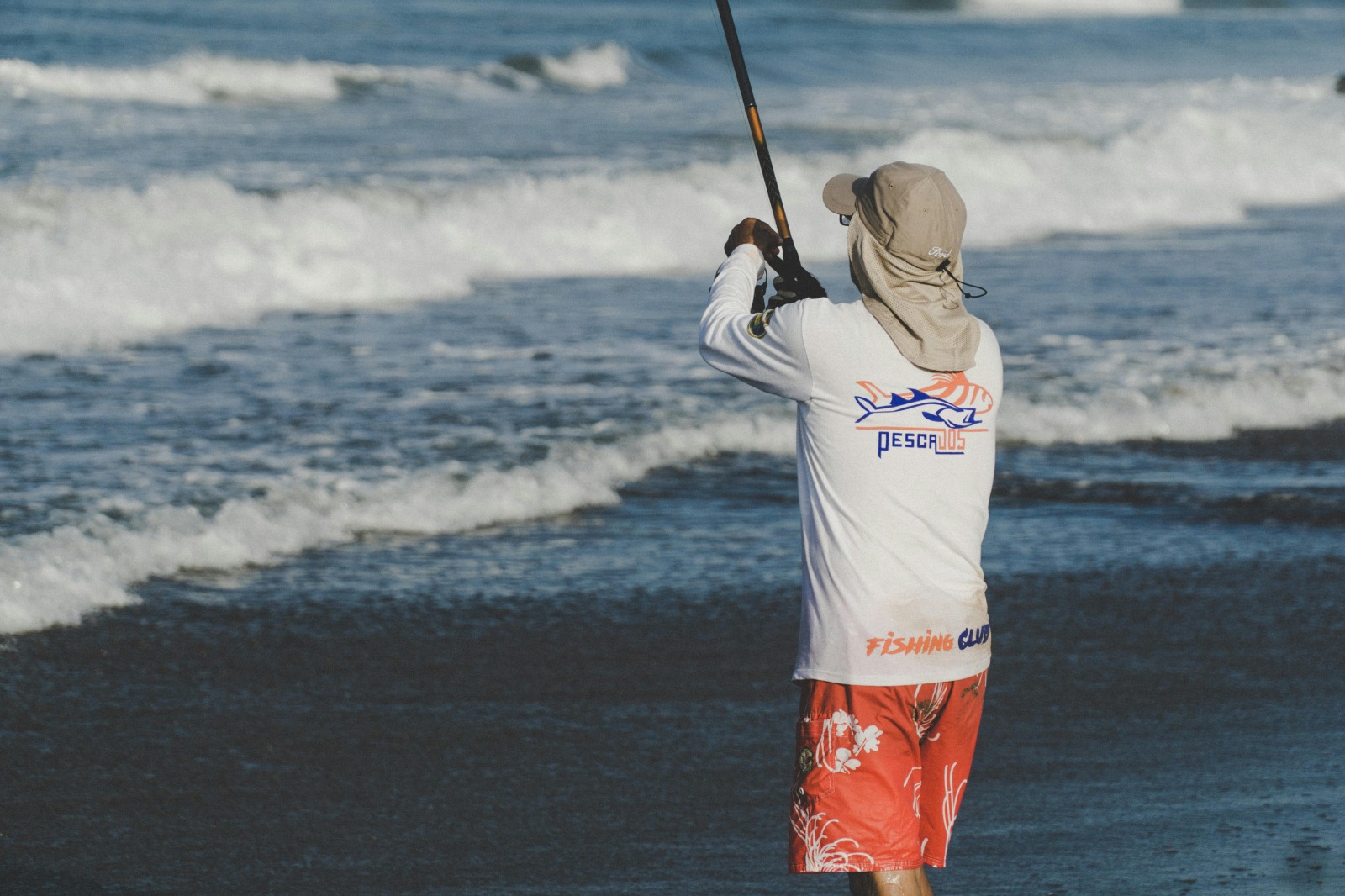
If you're new to the world of fly fishing, having a well-organized Fly fishing kit is essential to make your experience enjoyable and successful. A comprehensive fly fishing kit ensures that you have all the necessary tools, flies, and accessories to tackle various fishing conditions. From selecting the right rod and reel to understanding the different types of flies, this guide will cover everything you need to start your fly fishing journey with confidence.
Understanding the Basics of a Fly Fishing Kit
Before diving into the gear, it’s important to understand what a fly fishing kit typically includes. A basic kit should have a fly rod, reel, line, leader, tippet, and a selection of flies. Each component plays a crucial role in your ability to cast accurately, present the fly naturally, and catch fish efficiently. By familiarizing yourself with these essentials, you’ll be better prepared to enjoy your time on the water.
Choosing the Right Fly Rod
The fly rod is the cornerstone of any fly fishing kit. When selecting a rod, consider the type of fish you plan to target and the environment where you’ll be fishing. For beginners, a 9-foot, 5-weight rod is versatile and suitable for most freshwater fish. Remember, a high-quality rod enhances casting accuracy and reduces fatigue, making it easier to fish for longer periods.
Selecting a Reliable Fly Reel
A well-balanced fly fishing kit must include a reliable fly reel. The reel’s main function is to hold the fly line and assist in landing fish. Look for a reel with a smooth drag system that matches your rod’s weight. Investing in a quality reel ensures durability and improves your overall fishing experience.
Essential Fly Fishing Lines
Your fly fishing kit should have the right line to match your rod and reel. There are floating, sinking, and intermediate lines, each designed for different fishing situations. Beginners usually start with a floating line, which allows for easy presentation of dry flies on the water surface. Proper line selection improves casting distance and accuracy, making a noticeable difference in your success rate.
Leaders and Tippets: Small but Crucial
Leaders and tippets are essential components of your fly fishing kit that often go unnoticed by beginners. The leader connects your fly line to the tippet, which holds the fly. Choosing the correct length and strength ensures your fly lands naturally and reduces the chances of spooking fish. A well-prepared leader and tippet setup increases your catch rate significantly.
Essential Flies to Include
No fly fishing kit is complete without a selection of flies. Start with a variety of dry flies, wet flies, and nymphs to cover different fishing scenarios. Popular options include the Adams, Elk Hair Caddis, Pheasant Tail Nymph, and Woolly Bugger. Having a diverse fly selection allows you to adapt to changing conditions and increases your chances of success on the water.
Additional Accessories for Your Kit
Beyond the core components, your fly fishing kit should include several accessories for convenience and safety. Consider items such as a fly box, forceps, nippers, tippet spools, and a landing net. These tools help with fly changes, hook removal, and handling fish properly, ensuring a more enjoyable fishing experience. Proper organization of your kit also prevents frustration and lost gear.
Choosing the Right Apparel
Fishing comfort is key, and your fly fishing kit isn’t complete without proper clothing. Waders, boots, hats, and polarized sunglasses make a significant difference. Waders allow you to access deeper waters, while polarized sunglasses reduce glare and help spot fish. Dressing appropriately enhances your ability to fish effectively and enjoy the experience.
Tips for Maintaining Your Fly Fishing Kit
Maintaining your fly fishing kit ensures longevity and consistent performance. Rinse your rod and reel after each use, especially in saltwater environments, and check your lines, leaders, and tippets for wear. Regularly inspect flies for damage and replace any worn or torn items. A well-maintained kit saves money in the long run and prevents frustration during fishing trips.
Building Your Kit Over Time
While beginners may start with a basic fly fishing kit, it’s important to gradually expand your gear. As you gain experience, consider adding specialty rods, reels for different fish species, additional flies, and advanced accessories. Building your kit over time allows you to tailor it to your fishing style and improve your skills progressively.
Conclusion
A properly prepared fly fishing kit is the foundation of a successful and enjoyable fly fishing adventure. From rods and reels to flies and accessories, having the right equipment ensures that you’re ready for any situation on the water. By understanding the essentials and maintaining your gear, you’ll not only increase your chances of catching fish but also enhance the overall experience of this rewarding outdoor activity. Investing in a high-quality fly fishing kit is the first step toward becoming a confident and skilled fly angler.