Understanding the Allure of Handmade Fashion
The rise of handmade fashion is more than just a fleeting trend; it signifies a deeper connection between people and the items they wear. In a world increasingly dominated by fast fashion, appreciating the allure of handcrafted apparel invites consumers to tread lightly on the planet while embracing unique aesthetics. With brands like https://www.ound-ound.com, the journey into the realm of artisanal fashion opens up countless possibilities for style enthusiasts eager to express their individuality through sustainable choices.
The Beauty of Craftsmanship
Craftsmanship in fashion is akin to art; each piece tells a story of creativity, labor, and passion. When garments are produced by skilled hands rather than machines, the final product embodies a level of quality that is often absent from mass-produced alternatives. The meticulous attention to detail, the archaic techniques employed, and the love infused into each stitch come together to create unique items that maximize aesthetic appeal.
Consumers can recognize the difference—whether it’s the texture of a hand-knit sweater or the intricate beading on a dress. Handcrafted pieces often incorporate traditional crafts and techniques that have been passed down through generations, connecting the wearer to the history and culture of fashion.
What Makes Handmade Fashion Unique?
Handmade fashion shines brightly for its distinctiveness and the story behind each creation. Unlike machine-made clothing, which can produce thousands of identical items, handmade garments vary in pattern, texture, and even the small imperfections that give them character. Such uniqueness not only satisfies the consumer's desire for individual expression but also helps diminish the carbon footprint associated with globally-contorted supply chains.
Furthermore, handmade pieces often come from small-scale producers who prioritize ethical practices. Many artisans operate under sustainable models, using environmentally-friendly materials and traditional methods that are in harmony with nature, thus ensuring that each stitch has a minimal carbon impact.
Connecting Fashion with Sustainability
The intersection of fashion and sustainability has never been more crucial. With changing consumer habits, individuals are increasingly motivated to seek brands that align with their values, including environmental consciousness and ethical treatment of workers. Handmade fashion often represents a commitment to sustainability, as producing smaller batches helps prevent overproduction and waste.
Brands like https://www.ound-ound.com are redefining the way consumers think about clothing, emphasizing the importance of quality over quantity and promoting the idea that fashion can exist outside of the fast-paced cycle of trends. The bespoke nature of handmade items allows consumers to make thoughtful purchasing choices, leading to a more sustainable wardrobe in the long run.
Exploring Collections at https://www.ound-ound.com
Enter the world of https://www.ound-ound.com, where every piece is crafted with care and meticulous attention to detail. The collections offered not only showcase the beauty of handmade garments but also embody the brand’s commitment to sustainable practices.
Artisanal Hand-Knitted Garments
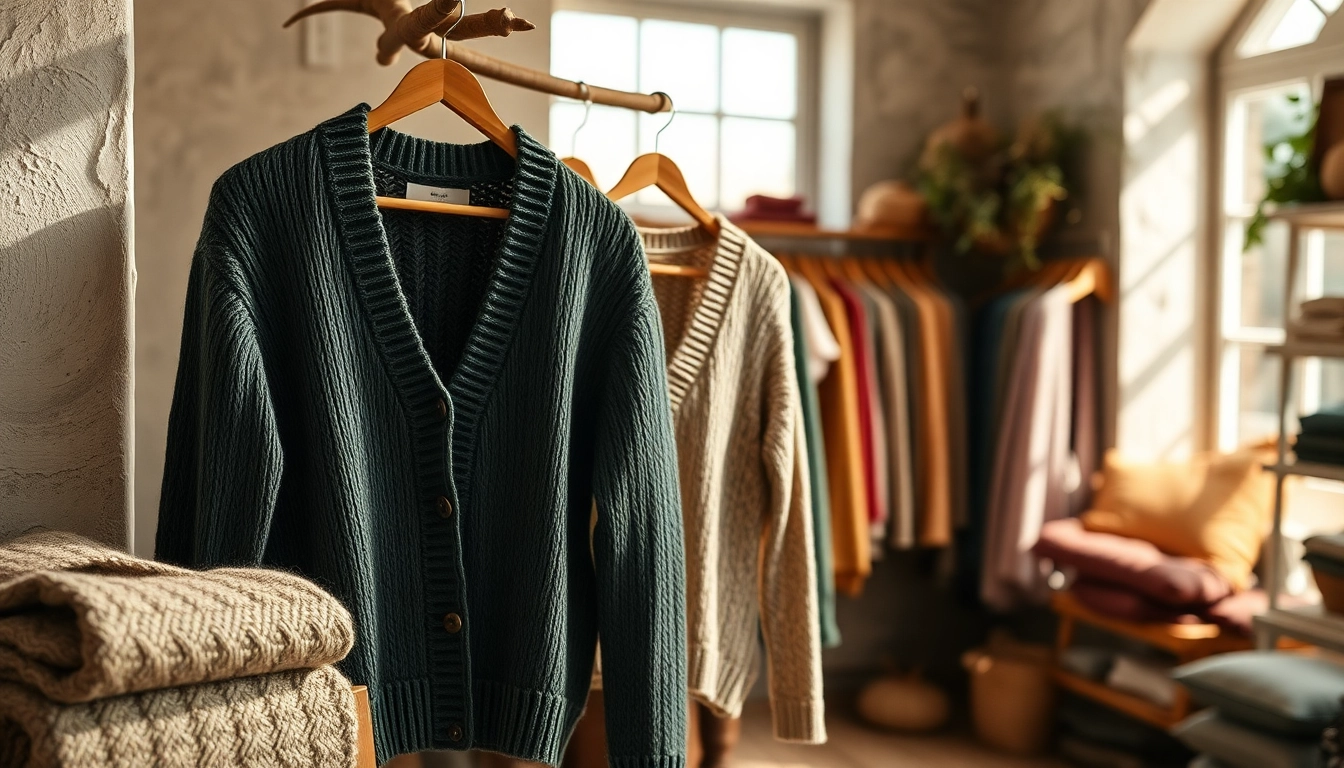
Artisanal hand-knitted garments represent a testament to the skill and artistry of the artisans behind them. These pieces often utilize natural fibers such as Merino and Corriedale wool, known for their softness and longevity. Hand-knitting allows artisans to manipulate textures and patterns, creating unique designs that resonate with the sympathy of handcrafted uniqueness.
Each creation stands as a wearable piece of art; from luxuriously cozy sweaters to carefully crafted cardigans, the attention to craftsmanship contributes to an emotional connection with the wearer. The uniqueness of each garment means that no two items look or feel exactly the same, making each purchase feel special and personally significant.
Luxury Dresses and Essentials
When one thinks of luxury, it often brings to mind exclusivity; however, at https://www.ound-ound.com, luxury is deeply intertwined with sustainability. The brand’s luxury dresses and essentials leverage high-quality materials and traditional crafting methods to serve discerning customers seeking both style and a conscience.
The elegance of these dresses showcases timeless design principles, embellished with natural dyes and subtle textures that elevate the standard of luxury wear. From flowing silhouettes to tailored fits, each piece resonates with sophistication, catering to various tastes while remaining environmentally mindful.
Hand-Dyed Fashion: A Visual Journey
The use of natural dyes in fashion cannot merely be seen as a trend; it reflects a broader movement back to nature and respect for our planet. This technique utilizes materials derived from plants, flowers, and even food waste, creating beautiful hues that can’t be replicated by synthetic processes. The hand-dying process allows for unique color variations, ensuring that each garment remains one of a kind.
Individuals are becoming increasingly aware of the harmful effects synthetic dyes have on both the environment and the skin. Opting for hand-dyed garments results in a more sustainable approach to fashion, coupled with the added appeal of natural beauty. Whether the fabric is a soft pastel or a rich earth tone, the coloration envelops the wearer in a calming aesthetic that honors the environment.
Why Choose Sustainable Fashion?
The conversation surrounding sustainable fashion has grown tremendously, as consumers recognize their purchasing choices' significant impact on the environment and society. Beyond merely making a purchase, understanding the ethos of sustainable fashion can guide consumers toward more fulfilling and responsible choices.
Impact on the Environment
Fast fashion is notorious for its detrimental impact on the environment, contributing to waste and pollution on a staggering scale. By choosing sustainable brands that prioritize handmade creations, consumers can reduce their ecological footprint. Garments produced in small batches lead to significantly less waste and resource depletion than those created in mass production facilities.
Furthermore, by supporting artisans and sustainable practices associated with handmade fashion, consumers contribute to preserving traditional techniques that are often more environmentally friendly. These processes can include natural dyeing, upcycling, and the use of organic or recycled materials, which minimize harm to ecosystems both locally and globally.
Benefits for Consumers and Communities
Choosing sustainable fashion doesn't just benefit the environment; it can enhance the overall purchasing experience for consumers. Handmade garments offer exclusivity and craftsmanship, ensuring that buyers receive a unique piece designed with care and intention. In addition to aesthetics, consumers often find comfort in knowing that their purchase supports local artisans and communities, contributing to fair-wage labor practices.
Moreover, by engaging with small-scale businesses, communities can create networks of support, highlighting the value of local economies amidst a global marketplace. Every purchase is an investment not only in one's wardrobe but also in the livelihoods of the artisans creating the pieces.
Making Informed Fashion Choices
Being an informed consumer is essential in today's marketplace. Sustainable fashion encourages consumers to ask questions about the origin of materials, the crafting process, and the environmental impact of their purchases. With knowledge at hand, individuals can select brands that align with their values toward sustainability and ethical labor practices.
Researching brands, reading labels, and being mindful of purchasing habits create a culture of conscientious consumption. Additionally, as more shoppers seek sustainable options, brands are incentivized to adopt better practices, thereby prompting a shift within the entire fashion industry towards more ethical standards and transparency.
Color Theory in Sustainable Fashion
Color plays a crucial role in fashion, influencing not only aesthetics but also emotional responses and market trends. In sustainable fashion, understanding color theory helps consumers make informed decisions that align with their personal preferences and broader environmental impacts.
Understanding Natural Dyes
Natural dyes have gained traction as an eco-friendly alternative to synthetic dyes, often derived from plants, minerals, and insects. This process creates stunning, non-toxic colors enjoyed by both wearers and the environment. Understanding the sources and qualities of these dyes allows consumers to appreciate their garments' uniqueness.
The labor-intensive process of extracting natural colors results in a spectrum of rich and vibrant shades that bring garments to life. These dyes not only add beauty but also help foster a deeper connection with both the piece and its creation, emphasizing the power of nature in fashion.
The Psychological Impact of Colors
Color significantly impacts our emotions and perceptions, a facet that is well-studied in psychology. Different colors evoke different feelings; for example, blues are often calming, while reds can stimulate energy. Understanding these associations can help consumers make choices that add emotional value to their wardrobe.
Moreover, the palette of handmade garments often reflects natural landscapes, fostering a connection between the wearer and nature. This connection can prompt feelings of tranquility, confidence, or joy, enhancing the overall wearing experience.
Creating Mood and Atmosphere through Color
The atmosphere created by color goes beyond personal choices; it extends into social settings and professional environments as well. By selecting colors that align with the desired mood or message, consumers can curate not only their personal style but also the experiences they create in various contexts.
For instance, choosing muted earth tones can create a calming atmosphere, ideal for an environment requiring focus or peace. On the other hand, brighter shades can energize a setting or uplift the spirits during social gatherings. Through color choices within sustainable fashion, individuals wield the power of influence, capable of transforming not only their appearance but their environment too.
Finding Your Perfect Fit with https://www.ound-ound.com
The journey to finding the perfect fit in handmade fashion can be both rewarding and essential for comfort. Understanding sizing is crucial when investing in unique pieces crafted painstakingly by artisans at https://www.ound-ound.com.
Importance of Sizing in Handmade Fashion
Unlike mass-produced garments, where sizing can vary significantly, handmade fashion emphasizes a more personalized fit. Each item is often made with specific measurements in mind, which underscores the importance of understanding individual body dimensions when selecting a garment.
Moreover, accurate sizing ensures that the beauty of the craftsmanship is complemented by the fit. A well-fitting garment not only looks better but also enhances the wearer's confidence and comfort—two significant factors in how individuals perceive their style choices.
Guides to Measure Yourself Effectively
Getting the right size starts with accurate measurements. Consumers should invest time in understanding how to measure themselves correctly, utilizing guides often provided by brands. Key areas to measure include bust, waist, hips, and inseam, keeping in mind to check size charts before selection.
Some brands even offer unique sizing guides specific to their designs, considering various styles, cuts, and materials. Taking the effort to understand these nuances can prevent discontent with the final purchase and foster continued goodwill with the brand.
Ensuring Comfort without Compromise
Comfort is paramount when it comes to sticky fashion choices, particularly with handmade pieces that have distinct feels. When selecting garments, lightweight materials, stretchy fibers, and breathable textiles enhance wearability without compromising on fit or style.
It's essential to maintain a balance between looking good and feeling comfortable. Opting for styles that allow for ease of movement or layering can efficiently meet lifestyle needs while providing a stylish aesthetic. Sustainable fashion provides flexibility, enabling individuals to curate wardrobes that represent their values and personal flair.