
Understanding Lab Grown Diamonds
Lab grown diamonds are real diamonds created in controlled laboratory environments rather than mined from the earth. They share the same physical, chemical, and optical properties as natural diamonds. Choosing a lab grown diamond offers many advantages, including ethical sourcing, environmental sustainability, and often lower prices compared to mined diamonds. Before selecting a lab grown diamond, it’s essential to understand the characteristics that make each stone unique.
Why Choose a Lab Grown Diamond
There are several reasons why a lab grown diamond may be the perfect choice for your jewelry collection. First, lab grown diamonds are conflict-free, ensuring your purchase is ethically sourced. Second, they tend to be more affordable, allowing you to select a larger or higher-quality diamond for the same budget. Third, lab grown diamonds are virtually indistinguishable from natural diamonds, making them an excellent choice for fine jewelry. Finally, lab grown diamonds come with certification from reputable gemological labs, providing assurance of quality and authenticity.
The 4Cs of Lab Grown Diamonds
When selecting a lab grown diamond, the 4Cs—Carat, Cut, Color, and Clarity—remain essential.
Carat
Carat refers to the weight of the lab grown diamond. Larger carat sizes are rarer and more expensive, but because lab grown diamonds cost less than natural diamonds, you may have more flexibility to choose a larger stone without exceeding your budget.
Cut
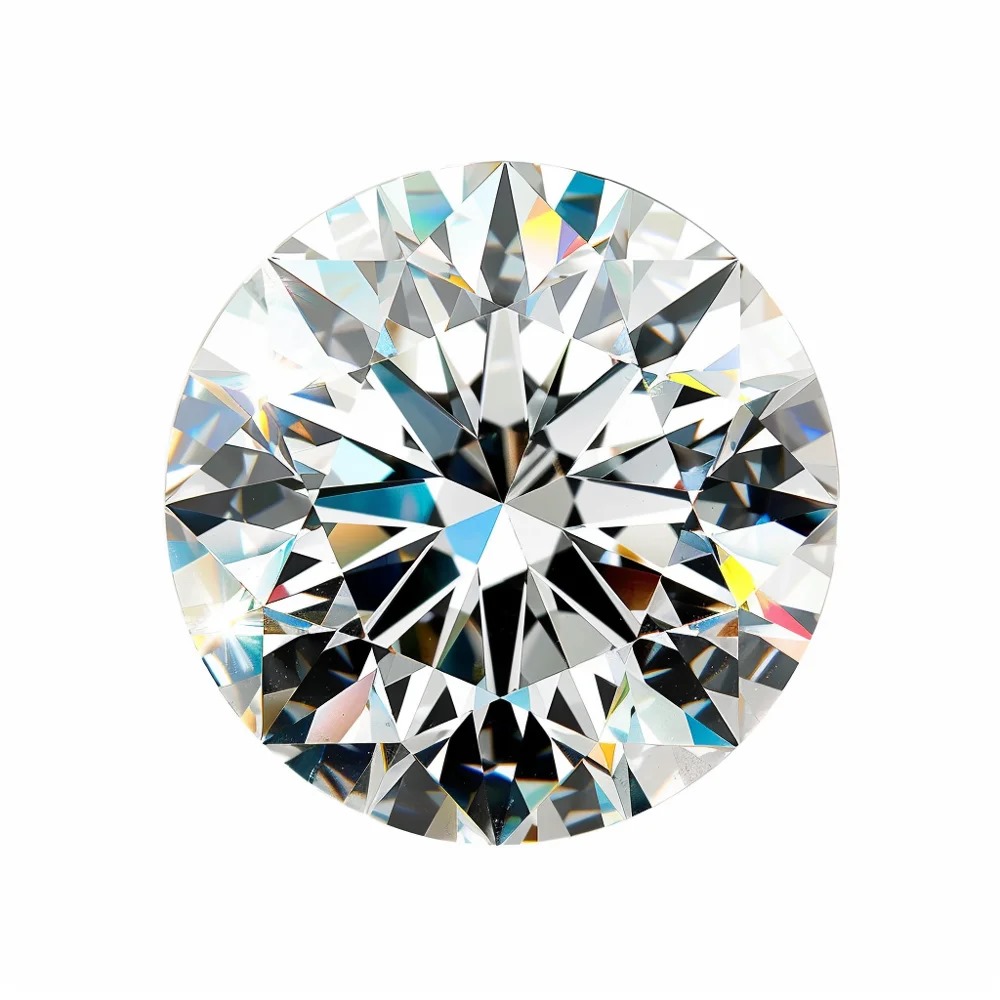
The cut of a lab grown diamond determines how well it reflects light. A well-cut diamond will sparkle brilliantly, enhancing its beauty. Popular cuts include round, princess, cushion, and emerald. Choosing the right cut ensures your lab grown diamond looks stunning in any jewelry setting.
Color
Lab grown diamonds are graded on a color scale from D (colorless) to Z (light yellow or brown). Colorless diamonds are the most valuable and visually striking. However, selecting a slightly lower grade can save money without significantly affecting appearance, especially in smaller stones or certain settings.
Clarity
Clarity measures the presence of internal or external imperfections called inclusions or blemishes. Lab grown diamonds typically have fewer inclusions than natural diamonds. High-clarity diamonds are more brilliant, but minor inclusions may be invisible to the naked eye, allowing you to balance quality and price effectively.
Certification Matters
Always choose a lab grown diamond that comes with a certification from a recognized gemological laboratory. Certificates from organizations like GIA or IGI provide detailed information about the 4Cs and confirm the authenticity of the stone. A certified lab grown diamond ensures transparency and gives you confidence in your purchase.
Selecting the Right Jewelry Setting
The setting can enhance the beauty of your lab grown diamond. Popular choices include solitaire rings, halo designs, and three-stone settings for rings. For necklaces and earrings, prong and bezel settings offer secure and stylish options. Consider the jewelry piece you want to create and select a setting that complements the size, cut, and shape of your lab grown diamond.
Budgeting for Your Lab Grown Diamond
Setting a budget is crucial when choosing a lab grown diamond. Compare prices based on carat, cut, color, and clarity to find the best value. Lab grown diamonds allow you to prioritize certain characteristics, such as size or cut, without compromising quality. Understanding your priorities ensures you select a diamond that meets both your aesthetic and financial goals.
Shopping Tips for Lab Grown Diamonds
When shopping for a lab grown diamond, consider these tips:
- Compare multiple retailers to ensure competitive pricing.
- Verify certification and review the 4C details carefully.
- Inspect the diamond in person or request high-quality images and videos if buying online.
- Consult with a reputable jeweler who has experience with lab grown diamonds.
- Consider resale value, especially if you plan to upgrade or exchange the diamond in the future.
Maintaining Your Lab Grown Diamond
Lab grown diamonds are durable and resistant to scratching, but proper care ensures long-lasting beauty. Clean your diamond regularly with mild soap and water or a jewelry cleaner designed for diamonds. Store it separately to avoid scratching other jewelry pieces, and schedule professional inspections periodically to maintain the setting.
The Future of Lab Grown Diamonds
Lab grown diamonds are gaining popularity due to their ethical and sustainable advantages. Advances in technology continue to improve quality and reduce costs, making these diamonds increasingly accessible. Collectors and jewelry enthusiasts are recognizing lab grown diamonds as a smart investment for building a versatile and beautiful jewelry collection.
Conclusion
Choosing the perfect lab grown diamond requires understanding its characteristics, considering the 4Cs, and selecting a reputable jeweler. Lab grown diamonds offer ethical sourcing, affordability, and beauty identical to natural diamonds. By carefully evaluating cut, color, clarity, and carat, you can find a lab grown diamond that enhances your jewelry collection and reflects your personal style. With proper care and attention to certification, your lab grown diamond will remain a stunning centerpiece for years to come.