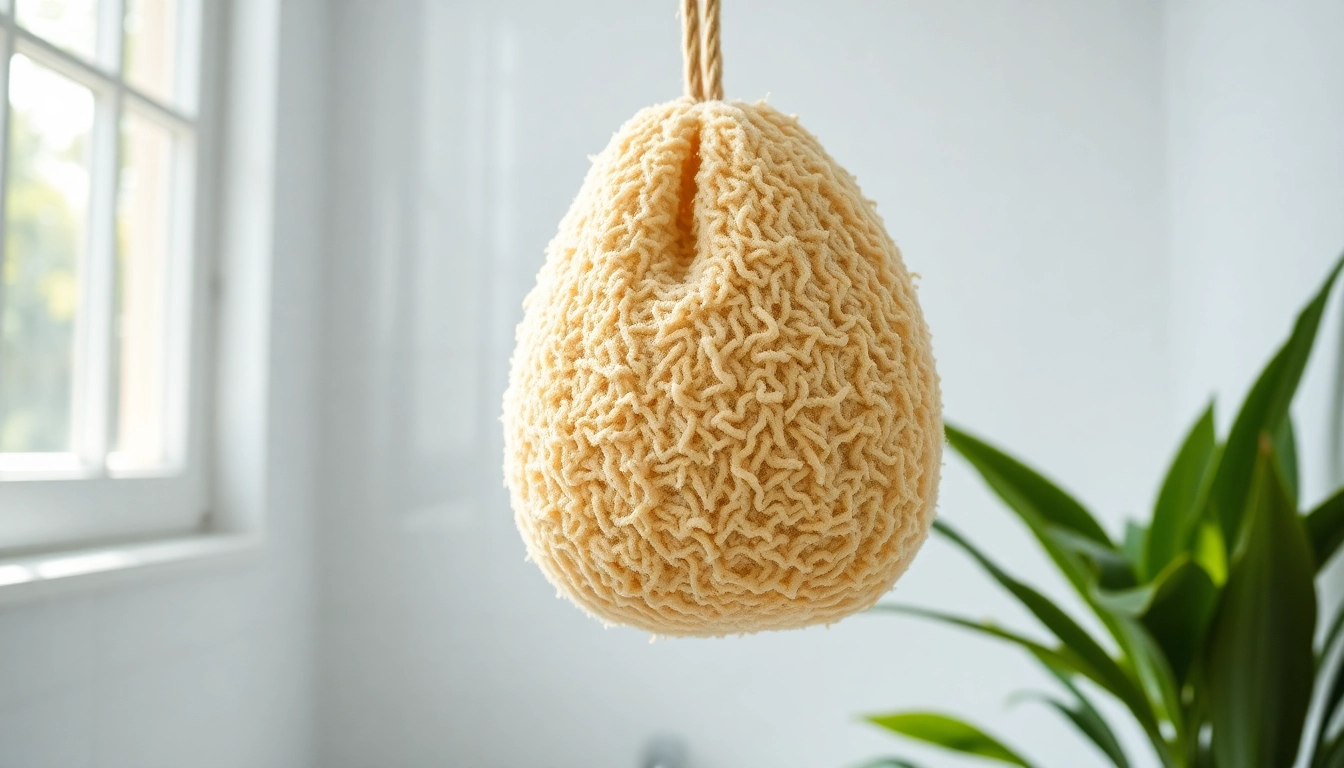
Understanding the Importance of Cleaning Your Loofah
The Role of a Loofah in Personal Hygiene
Loofahs are popular items in personal hygiene routines due to their exfoliating properties and ability to enhance the effectiveness of soaps and body washes. Made from the fibrous interior of a gourd, they help remove dead skin cells, promoting healthier skin and improving circulation. However, while they offer many benefits, the necessity of proper cleaning cannot be overstated. Regular cleaning is crucial to prevent the buildup of bacteria, mold, and other pathogens that can thrive in moist environments like bathrooms. For thorough guidance on how to clean a loofah, let's explore this subject in depth.
Potential Risks of a Dirty Loofah
A dirty loofah can be a breeding ground for bacteria and fungi, leading to skin irritations, infections, and other health issues. When used on the skin, these pathogens can transfer and create problems such as rashes, acne flare-ups, or, in severe cases, dermatitis. Moreover, using a loofah that hasn't been cleaned regularly may also disturb the natural balance of skin flora, which can lead to other skin conditions.
How Often Should You Clean a Loofah?
Experts recommend cleaning your loofah at least once a week. However, some individuals may benefit from cleaning it more frequently, particularly if they have sensitive skin or are prone to skin infections. Pay attention to how your skin reacts and adjust your cleaning schedule accordingly. If you notice any discoloration, odor, or changes in texture, it could be time to replace your loofah entirely.
Effective Methods: How to Clean a Loofah Naturally
Using Vinegar for Disinfection
Vinegar is a powerful natural disinfectant. To clean your loofah with vinegar, mix equal parts white vinegar and water in a bowl. Submerge the loofah in the solution and let it soak for about 30 minutes. Rinse thoroughly under warm water afterward. This method effectively kills germs due to vinegar's acidic nature, ensuring your loofah is sanitized without harsh chemicals.
How to Use Baking Soda for Cleaning
Baking soda is another excellent natural cleaner and deodorizer. To use baking soda, create a paste by mixing it with water. Rub this paste over the surface of your loofah and let it sit for about 10-15 minutes. Rinse thoroughly afterward. In addition to cleaning, baking soda also neutralizes odors, leaving your loofah smelling fresh and clean.
Essential Oils for Freshening Up
Essential oils, like tea tree or lavender, can be used after cleaning to not only add fragrance but also provide antibacterial properties. After cleaning your loofah, add a few drops of your chosen essential oil to a warm water bowl. Let the loofah soak in this mixture for about 10 minutes before rinsing. This will leave your loofah not only clean but also infused with a pleasant aroma.
Alternative Cleaning Tips Beyond Natural Solutions
Hot Water Soak for Deep Cleaning
One effective way to sanitize your loofah is by soaking it in hot water. Boil a pot of water and remove it from heat. Place your loofah in the pot, ensuring it is fully submerged. Let it soak for at least 15 minutes. The high temperature of the water can help kill bacteria and soften the loofah for a more thorough clean.
Using the Dishwasher: A Convenient Method
If you're looking for a hands-off cleaning method, your dishwasher can be a viable option. Place your loofah on the top rack of the dishwasher and run a regular cycle without any dishes. The heat and detergent will help remove any bacteria. However, avoid using this method if your loofah contains any synthetic materials that may not withstand high temperatures.
How Sunlight Can Help Sanitize
Sunlight has natural disinfecting properties thanks to its UV rays. After cleaning your loofah, leave it outside in direct sunlight for a few hours. The sun will help kill off any remaining bacteria and fungi, as well as dry your loofah completely, preventing mold growth. Ensure it’s placed in a clean, safe area where it won't get contaminated again.
Maintaining Your Loofah for Longevity
Signs That Your Loofah Needs Replacing
Recognizing when to replace your loofah can prevent health issues. Signs that indicate your loofah needs replacement include: persistent unpleasant smells, visible mold or mildew, frayed or falling apart fibers, or if it has been in use for longer than four weeks without proper cleaning. If you observe any of these signs, it’s best to dispose of it and invest in a new one.
Best Practices for Storing Your Loofah
How you store your loofah plays a crucial role in its longevity and cleanliness. Always hang your loofah in a well-ventilated area after each use to allow it to dry completely. Avoid storing it in a closed container or a damp bathroom environment, which can encourage bacterial growth. Choosing a storage method that promotes airflow will help keep your loofah fresh and ready for use.
Choosing the Right Loofah Based on Use
When selecting a loofah, consider your skin type and the intended use. Natural loofahs are great for people with normal skin looking for exfoliation, while softer sponge varieties may be better suited for sensitive skin. You can also find various sizes and textures, so evaluating your needs will help you choose the best option for your personal hygiene routine.
FAQs: Common Questions About Loofah Care
What is the best natural cleaner for a loofah?
Vinegar is a great natural cleaner for disinfecting loofahs effectively, while baking soda can remove odors.
How can I tell if my loofah is dirty?
If your loofah has an unpleasant smell, discoloration, or a slimy texture, it’s time to clean or replace it.
Is it safe to share a loofah with others?
Sharing a loofah is not recommended as it can spread bacteria. Each person should use their own.
Can you wash a loofah in the washing machine?
Yes, many loofahs can be cleaned in the washing machine. However, check the care instructions first.
How long should a loofah last?
With proper cleaning, a natural loofah can last 3-4 weeks before needing replacement.