
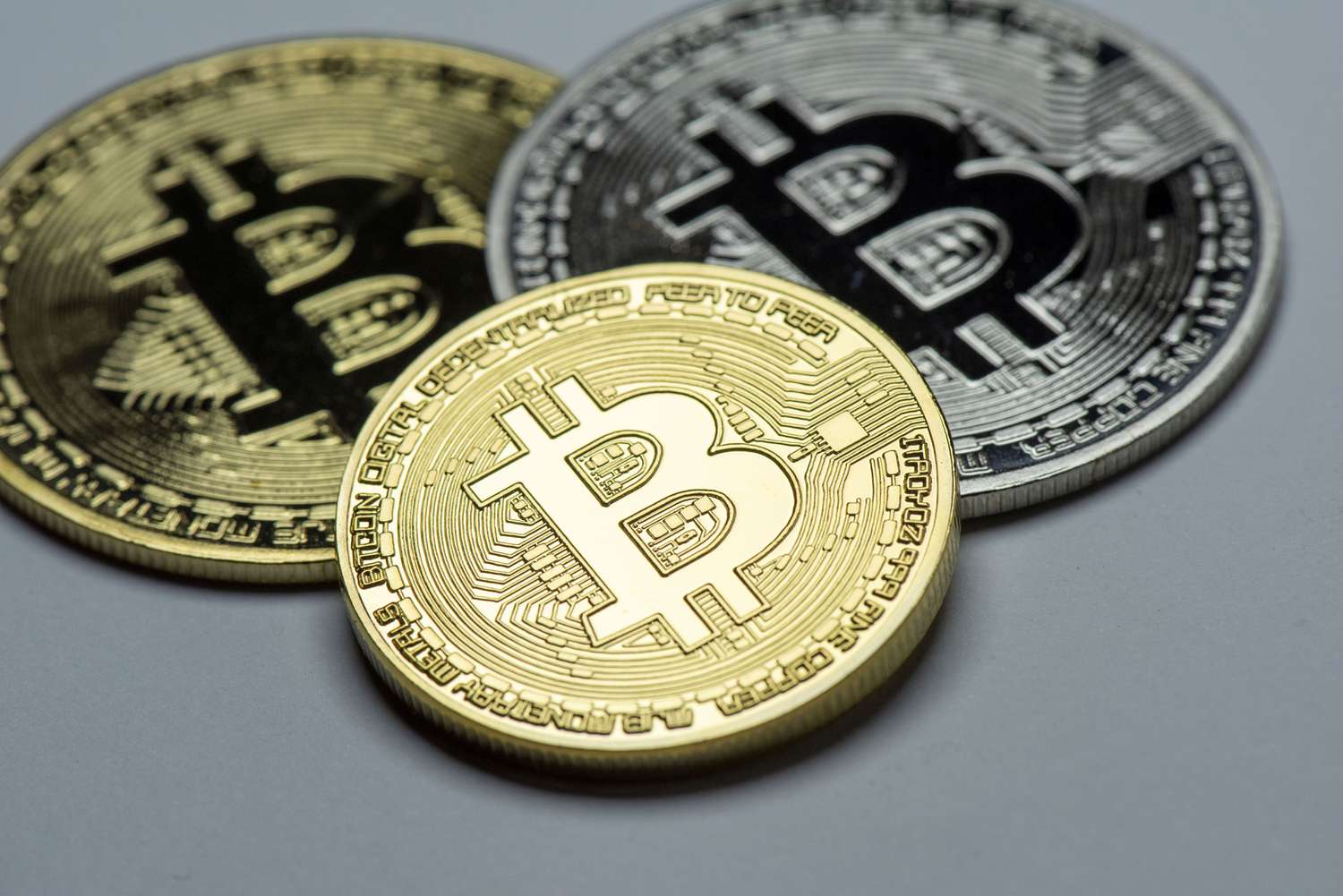
Understanding scarcity is essential for anyone collecting or trading a Bitcoin NFT. On Horizon Market, the rarest and most historically significant assets often command higher prices—and for good reason. Scarcity influences cultural value, market demand, and long-term investment potential. This guide explains how to evaluate different forms of scarcity so you can make smarter decisions in the Bitcoin NFT ecosystem.
Why Scarcity Matters in Bitcoin NFTs
Scarcity directly impacts desirability and market performance.
Value Driven by Limited Supply
A scarce Bitcoin NFT tends to hold or increase its value because collectors know the supply cannot expand.
Community Prestige
Owning a rare Bitcoin NFT often comes with status in collector communities, making scarcity a core part of social identity in the ecosystem.
Types of Scarcity in Bitcoin NFT Collections
Not all scarcity is the same. Evaluating each dimension helps you understand why certain assets outperform others.
Numerical Scarcity
This is the simplest form—how many units exist. A Bitcoin NFT with a supply of 100 is objectively rarer than one with 10,000.
Protocol-Level Scarcity
Counterparty and other Bitcoin-based systems enforce locked supplies. Once locked, the supply of a Bitcoin NFT cannot change, creating dependable scarcity.
Cultural Scarcity
Some assets are scarce because of their historical or cultural value. Early memes, influential artwork, or first-edition crypto cards fall under this category.
Accidental Scarcity
Lost wallets, destroyed assets, or incomplete mints can reduce circulating supply over time, increasing the rarity of a Bitcoin NFT.
Historical Importance as a Scarcity Factor
Age matters in digital collectibles.
Early Minting Dates
A Bitcoin NFT minted in 2016 carries more historical weight than a 2024 release, regardless of supply.
First-of-Its-Kind Status
Being the first in a category—first meme, first artwork, first gaming asset—adds a layer of cultural scarcity.
On-Chain Verification for Accurate Scarcity Checks
Scarcity isn’t just about claims—it must be verifiable.
Immutable Supply Proof
Bitcoin and Counterparty allow collectors to confirm supply directly on-chain, making each Bitcoin NFT more trustworthy.
Transparent Ownership History
A clean, verifiable transaction record adds confidence and can enhance perceived rarity.
Evaluating Visual and Trait-Based Rarity
Beyond numbers and history, artwork matters too.
Unique Traits
Some collections feature rare traits or visual variations that appear only a few times, making those versions of a Bitcoin NFT more desirable.
Artist-Linked Scarcity
If a respected creator has made only a small number of pieces, each Bitcoin NFT becomes naturally scarce.
Community Demand and Market Scarcity
Scarcity is meaningless without demand.
Collector Activity
A Bitcoin NFT with a dedicated community often becomes more valuable simply because more people want it.
Market Momentum
When a collection trends on Horizon Market, the visibility amplifies scarcity and can push prices higher.
Tools for Measuring Scarcity on Horizon Market
Horizon Market provides multiple ways to understand rarity.
Supply and Metadata Tools
Each Bitcoin NFT listing includes detailed supply information, allowing buyers to verify rarity instantly.
Analytics Dashboards
Charts showing price trends, trading activity, and historical performance help collectors evaluate true scarcity.
Red Flags When Assessing Scarcity
Not every “rare” asset deserves attention.
Artificial Rarity
Some creators claim rarity without locking supply. Always verify on-chain.
Low Cultural Weight
A rare Bitcoin NFT without historical or artistic significance may struggle to grow in value.
Inconsistent Data
If a project lacks clear supply details, it may not be worth the risk.
Strategies for Using Scarcity to Make Smart Decisions
With the right approach, scarcity can guide profitable decisions.
Buy Locked-Supply Assets
These ensure your Bitcoin NFT cannot be diluted.
Focus on Legacy Collections
Vintage assets usually combine numerical, cultural, and historical scarcity.
Track Demand Patterns
Combine scarcity analysis with community activity for smarter trades.
Scarcity in Relationship to Market Cycles
Market cycles often amplify the importance of rarity.
Bull Cycles
Rare Bitcoin NFT assets tend to outperform during speculative surges.
Bear Cycles
Collectors typically move toward historical, scarce items rather than newer, high-supply collections.
Conclusion
Evaluating scarcity is one of the most important skills for anyone exploring the Bitcoin NFT ecosystem. By analyzing supply, cultural significance, on-chain verification, and community interest, you can make informed decisions and avoid common pitfalls. Whether you’re collecting vintage pieces or searching for hidden gems on Horizon Market, understanding scarcity ensures you recognize the true value of every Bitcoin NFT.