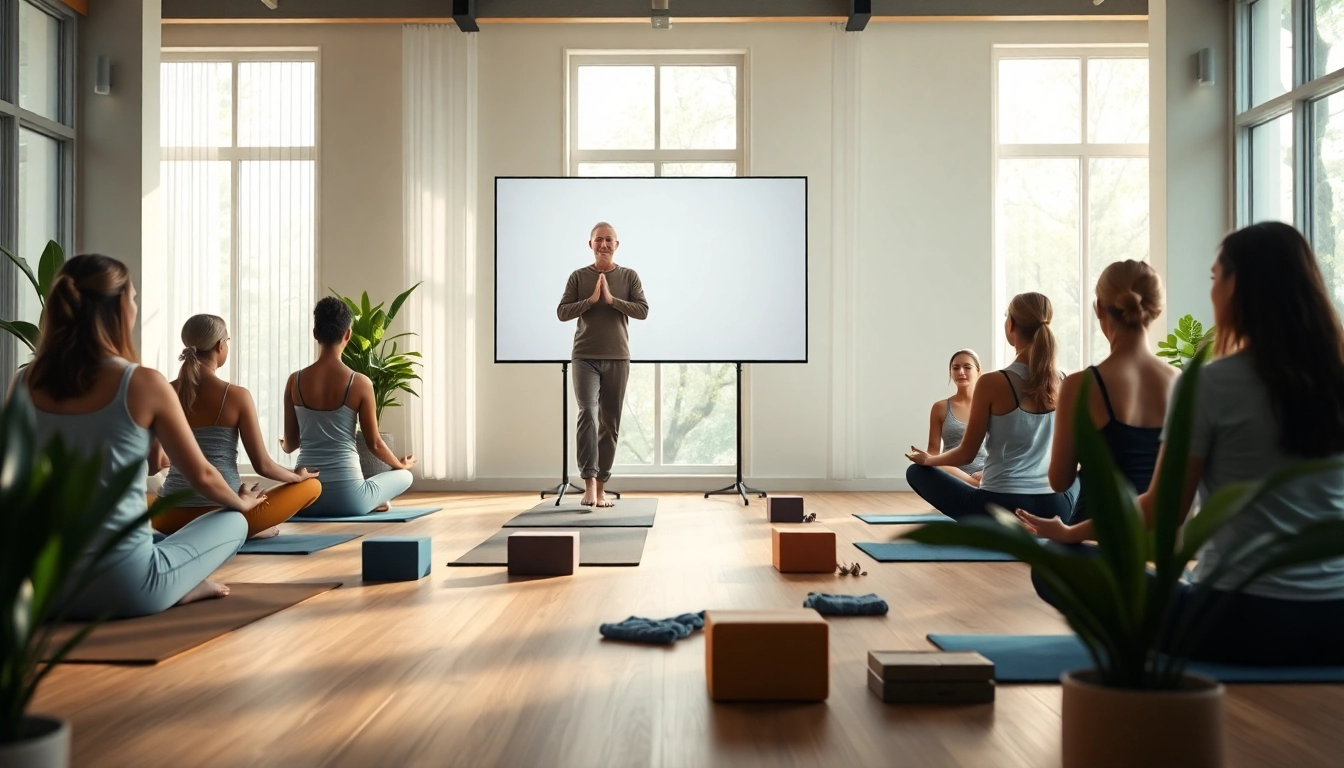
Understanding Yoga Teacher AI: A New Era in Yoga Instruction
The integration of artificial intelligence into various fields is on the rise, and yoga is no exception. Yoga Teacher AI represents a technological advancement that can redefine how yoga is taught and experienced. By combining traditional practices with innovative AI tools, instructors can enhance their teaching methodologies, personalize student experiences, and streamline administrative tasks. This article delves into the concept of Yoga Teacher AI, exploring its features, benefits, integration strategies, student engagement tactics, potential challenges, and future prospects.
What is Yoga Teacher AI?
Yoga Teacher AI refers to artificial intelligence systems specifically designed to assist yoga instructors in various aspects of teaching and class management. These systems can provide real-time feedback to students, generate personalized practice plans, automate administrative tasks, and even curate class content. The technology takes into account individual student needs, preferences, and progress, fostering a more bespoke yoga experience.
The Role of Technology in Yoga
Technology is becoming increasingly integral to yoga practice. From online classes that reach a global audience to meditation apps that track progress, digital tools are reshaping yoga's landscape. Yoga Teacher AI falls perfectly into this category, acting as a bridge between traditional yoga principles and the modern technological environment. This synergy enhances teaching quality and accessibility, enabling instructors to focus more on personalized guidance while the AI handles logistics.
Key Benefits of Using Yoga Teacher AI
- Personalization: AI can analyze student performance and preferences, thereby customizing practice routines for each individual.
- Efficiency: Automated scheduling, reminders, and lesson planning can save teachers valuable time, allowing them to focus on engaging with their students.
- Accessibility: Students can access AI-driven classes and feedback anytime, which is particularly advantageous for remote learners or those with tight schedules.
- Real-Time Feedback: AI systems can provide immediate corrections and guidance, helping students improve their techniques on the spot.
- Data Analysis: Instructors can gain insights from collected data on student performance, facilitating informed adjustments to teaching approaches.
How to Integrate Yoga Teacher AI into Your Classes
Step-by-Step Guide to Implementation
Integrating Yoga Teacher AI into your classes can be achieved through a series of strategic steps:
- Choose the Right Platform: Research and select a Yoga Teacher AI platform that aligns with your teaching objectives and student demographics.
- Train with AI: Familiarize yourself with its features through official tutorials and practice sessions that mimic real class scenarios.
- Create Student Profiles: Input student data, including experience levels, goals, and any health considerations, into the AI system.
- Design a Pilot Class: Use AI tools to facilitate a pilot session, incorporating feedback and adjustments as needed.
- Solicit Feedback: After the pilot session, gather student feedback to gauge satisfaction and areas for improvement.
- Iterate As Necessary: Continuously refine the blend of AI assistance with your teaching style based on ongoing feedback.
Tips for Combining AI with Traditional Techniques
While AI is a powerful tool, the essence of yoga lies in traditional methods. Here’s how to maintain that balance:
- Maintain Human Connection: Use AI to streamline processes, but preserve your personal touch in interactions with students.
- Fusion Classes: Create classes where traditional methods are complemented with AI-generated insights, highlighting a harmonious approach.
- Feedback Integration: Use insights from AI to inform your teaching methods while also encouraging students to provide personal feedback.
- Acknowledge Limitations: Know when to rely on your expertise instead of AI, especially in areas requiring critical thinking and emotional intelligence.
Checklist for Effective Integration
Here’s a handy checklist to keep your integration efforts on track:
- Have you chosen an intuitive AI platform?
- Are you familiar with all the features it offers?
- Have you involved students in the pilot testing phase?
- Do you regularly reassess your integration strategy based on results?
- Are you open to continuously adapting your approach as technology evolves?
Enhancing Student Engagement with Yoga Teacher AI
Personalized Practice Plans
One of the standout features of Yoga Teacher AI is its ability to design personalized practice plans. By analyzing individual capabilities and preferences, the AI can create tailored sessions that cater to the unique needs of each student. For instance, the AI might suggest a restorative sequence for a student dealing with stress or a more vigorous flow for those seeking physical challenges. The personalization fosters greater connection and motivation among students.
Real-Time Feedback and Adjustments
Real-time feedback is crucial in yoga; even minor adjustments can significantly enhance practice effectiveness. Yoga Teacher AI using computer vision can observe and analyze student movements, providing instant corrections and suggestions on alignment and technique. This immediate feedback promotes safer practices, especially for beginners who may not yet be familiar with proper postures.
Strategies for Maximizing Participation
To maximize participation in AI-enhanced classes, consider the following strategies:
- Interactive Features: Encourage students to use the app to chart progress and avoid plateaus.
- Challenge Programs: Create friendly competitions or challenges that engage students and inspire community building.
- Accessibility Times: Offer sessions based on when most students can join, ensuring flexibility in options.
- Feedback Incentives: Provide incentives for feedback to continuously improve class experiences, reflecting student voices in the program.
Challenges and Limitations of Yoga Teacher AI
Common Obstacles to Consider
While Yoga Teacher AI offers numerous benefits, there are challenges to be mindful of:
- Learning Curve: Instructors may face an initial learning curve when first implementing AI tools, potentially causing frustration.
- Technical Issues: Dependence on technology means classes can be disrupted by technical malfunctions.
- Student Resistance: Some students may feel apprehensive about relying on technology in a traditionally analog practice.
- Data Privacy: Ensuring that student data is secure and used ethically is paramount in the implementation of AI.
Ethical Considerations in AI Training
Ethical considerations are vital when introducing AI into any field, including yoga. Instructors must ensure that AI systems are developed and used responsibly, maintaining transparency about how data is collected and used. Furthermore, the guidance provided by AI should always prioritize student well-being and not compromise the foundational principles of yoga.
Future of AI in Yoga
The future of Yoga Teacher AI looks promising. Advances in machine learning can enhance personalization even further, as systems learn from every interaction to adapt more effectively to users' needs. We may see more immersive experiences where virtual reality combines with AI for an even more profound exploration of yoga practices. Integrating holistic wellness approaches with AI can lead to more significant benefits, making yoga accessible to a broader audience.
FAQs about Yoga Teacher AI
What are the primary functions of Yoga Teacher AI?
Yoga Teacher AI offers lesson planning, personalized guidance, and meditation assistance, enriching the overall experience for teachers and students alike.
How can Yoga Teacher AI improve class participation?
By providing personalized sequences and engaging content, Yoga Teacher AI can cater to individual preferences, boosting class engagement and satisfaction.
Is Yoga Teacher AI suitable for all skill levels?
Yes, Yoga Teacher AI is designed to adapt to various experience levels, providing tailored instruction that suits beginners to advanced practitioners.
How do I choose the right Yoga Teacher AI solution?
Consider features, user-friendliness, and integration capabilities, ensuring it aligns with your teaching style and the needs of your students.
Will Yoga Teacher AI replace human instructors?
No, Yoga Teacher AI is meant to support, not replace, human instructors by enhancing the learning experience and providing additional resources.