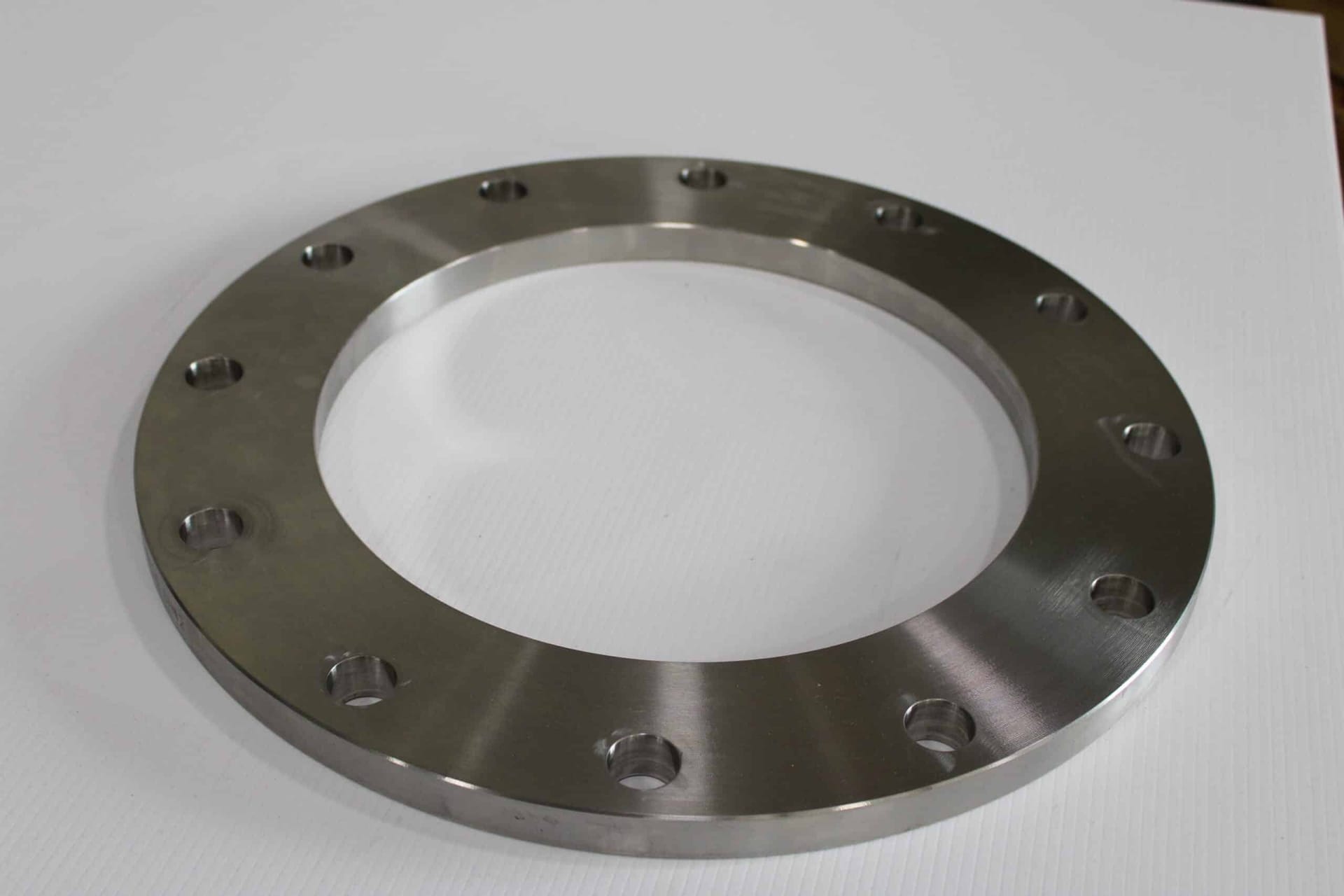
In the world of industrial piping systems, the reliability and efficiency of components are paramount. One of the most crucial elements in ensuring seamless fluid or gas transport is the flange joint. At Hebei Minglai Pipe Fittings Co., we specialize in providing high-quality flange joints designed for robustness and long-lasting performance. Whether your application is in oil and gas, water treatment, or chemical processing, a well-engineered flange joint ensures safety, stability, and ease of maintenance.
What is a Flange Joint?
A flange joint is a method of connecting pipes, valves, pumps, and other equipment to form a reliable piping system. Flanges are mechanical devices that provide a strong, leak-proof connection between two pipe sections. They are typically joined together using bolts, gaskets, and nuts, creating a secure seal that can withstand high pressure and temperature conditions. By choosing the right flange joint, industries can maintain operational efficiency and minimize the risk of leaks or system failures.
Types of Flange Joints
Understanding the different types of flange joints is essential for selecting the right solution for your piping system. Common types include:
- Weld Neck Flange Joint: Known for its strength and durability, this flange joint is welded to the pipe, making it ideal for high-pressure applications.
- Slip-On Flange Joint: Easy to install, the pipe slips into the flange and is then welded, offering versatility in lower-pressure systems.
- Blind Flange Joint: Used to close the end of a piping system, ensuring secure containment of fluids or gases.
- Socket Weld Flange Joint: Pipes are inserted into the flange socket and welded, providing high resistance to vibration and stress.
- Threaded Flange Joint: Screwed onto a pipe without welding, suitable for smaller diameter applications.
By understanding these types, engineers can select the appropriate flange joint for specific operating conditions, ensuring optimal performance and longevity.
Advantages of Using Flange Joints
Investing in high-quality flange joints offers several advantages:
- Ease of Maintenance: Flange joints allow for easy disassembly, facilitating inspection, cleaning, and replacement of components.
- Leak-Proof Performance: When installed correctly with gaskets, flange joints provide a reliable seal that minimizes leaks.
- Versatility: Available in various sizes and materials, flange joints can be adapted for a wide range of industrial applications.
- Durability: Made from high-grade materials, flange joints are resistant to corrosion, high pressure, and extreme temperatures.
- Cost Efficiency: Reducing downtime and maintenance needs translates to long-term cost savings for industries relying on flange joints.
Material Selection for Flange Joints
The material used in a flange joint significantly affects its performance and longevity. Common materials include stainless steel, carbon steel, alloy steel, and sometimes specialized metals for corrosive environments. Choosing the right material ensures that the flange joint can withstand the operational pressures, temperature variations, and chemical exposure in your system.
Installation Tips for Flange Joints
Proper installation is crucial to maximize the benefits of a flange joint. Here are some key tips:
- Alignment: Ensure flanges are correctly aligned to avoid stress and uneven pressure on the joint.
- Torque: Apply the correct torque to bolts to achieve a uniform seal without over-tightening.
- Gasket Selection: Use the appropriate gasket material based on the medium, temperature, and pressure of the system.
- Inspection: Regularly inspect flange joints for signs of wear, corrosion, or leaks to maintain safety and efficiency.
Following these best practices ensures that your flange joints perform reliably over time.
Applications of Flange Joints
Flange joints are widely used across multiple industries. Key applications include:
- Oil and Gas: Flange joints ensure leak-proof connections in pipelines carrying hydrocarbons.
- Water Treatment: Durable flange joints maintain water flow in treatment plants and distribution systems.
- Chemical Processing: Resistant to corrosive chemicals, flange joints provide safe fluid transport.
- Power Generation: Flange joints connect pipes in high-temperature steam and cooling systems.
- Food and Beverage: Sanitary flange joints are used for hygienic fluid handling.
The versatility and reliability of flange joints make them a critical component in modern industrial infrastructure.
Maintenance and Inspection of Flange Joints
Regular maintenance of flange joints ensures long-term performance and reduces the risk of system failures. Key practices include:
- Periodic inspection for leaks, cracks, or corrosion.
- Tightening bolts to maintain the integrity of the seal.
- Replacing gaskets and worn components promptly.
- Ensuring alignment and avoiding mechanical stresses that could damage the joint.
By implementing a structured maintenance program, industries can maximize the lifespan and reliability of their flange joints.
Conclusion
Choosing the right flange joint is essential for any robust piping system. Hebei Minglai Pipe Fittings Co. provides high-quality flange joints that offer durability, reliability, and ease of maintenance across a wide range of industrial applications. By understanding the types, materials, installation, and maintenance of flange joints, engineers and operators can ensure leak-proof connections, reduce downtime, and enhance operational efficiency. Whether you are designing a new pipeline system or upgrading an existing one, investing in the right flange joint from Hebei Minglai Pipe Fittings Co. is a decision that guarantees safety, performance, and long-term cost savings.