Understanding Patio Additions
What are Patio Additions?
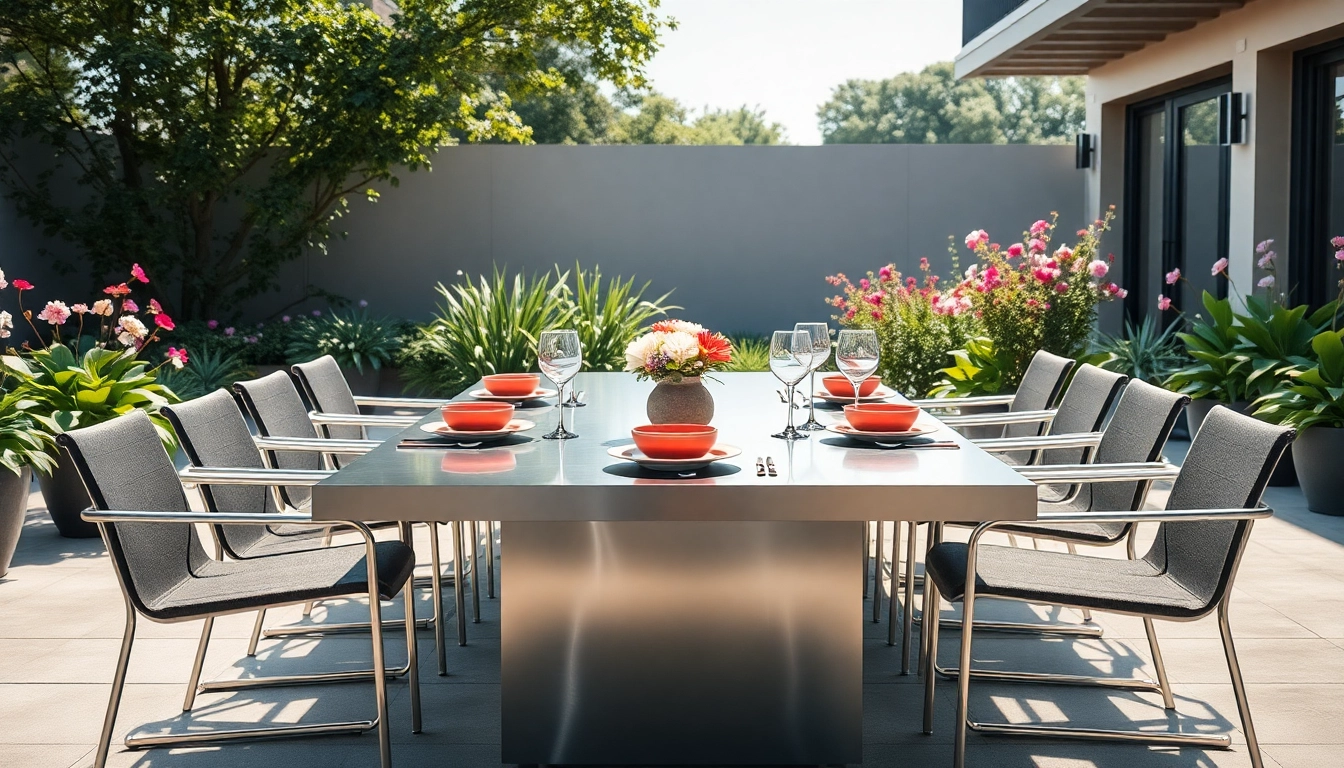
Patio additions are extensions or enhancements to existing outdoor spaces designed to improve their functionality and aesthetic appeal. They can take various forms, including sunrooms, enclosed patios, deck extensions, or even outdoor kitchens. These structures help bridge the gap between indoor and outdoor living, providing homeowners with more usable space and the opportunity to enjoy their surroundings year-round. By integrating patio additions, you can transform a basic outdoor area into a beautiful extension of your home.
The Benefits of Patio Additions
Investing in patio additions comes with a range of benefits:
- Enhanced Living Space: These additions increase usable square footage, allowing for gatherings and activities outside of the main house.
- Increased Property Value: Well-designed patio additions can significantly enhance the value of your property, making it more appealing to potential buyers.
- Outdoor Enjoyment: They provide a comfortable space to enjoy the outdoors, protected from the elements, allowing homeowners to bask in the sun or enjoy a meal in fresh air.
- Customization: Homeowners have the flexibility to design the space according to personal taste and lifestyle needs.
- Improved Aesthetics: A well-planned patio addition can enhance the overall look of your home and yard.
Types of Patio Additions
There are various types of patio additions that can cater to different tastes and requirements:
- Sunrooms: A glass-enclosed sunroom is perfect for those who want to enjoy the outdoors while being protected from elements like wind or rain. It creates a bright, naturally lit environment.
- Enclosed Patios: These provide additional privacy while still allowing you to enjoy the outdoors. They often include screens or glass panels.
- Patio Covers: An overhead structure that provides shade and shelter. This addition allows for spending time outside without worrying about direct sunlight or rain.
- Outdoor Kitchens: A fantastic solution for those who love to cook and entertain outdoors, featuring grills, counter space, and sometimes even appliances.
- Deck Extensions: Extending a deck allows for more space to relax, dine, or entertain, improving the functionality of an existing space.
Designing Your Patio Additions
Choosing the Right Materials
The choice of materials plays a crucial role in the durability and aesthetics of your patio addition. Here are some popular materials:
- Wood: Offers a classic, warm look but may require more maintenance due to weather exposure.
- Composite Decking: Made from recycled materials; it's durable and low-maintenance, mimicking the beauty of real wood.
- Brick or Stone: Great for patios as they provide durability and a timeless appeal, along with great heat retention.
- Glass: Used in sunrooms or as enclosure for patios, it provides clarity and openness to the environment.
- Pavers: Versatile and stylish, they can create intricate designs and patterns while being easy to maintain.
Incorporating Style and Functionality
When designing your patio addition, consider the following:
- Layout: Plan the layout to ensure it meets your needs, whether for relaxing, dining, or social gatherings.
- Furniture: Choose weather-resistant furniture that complements the overall design and is comfortable.
- Colors and Textures: Harmonize the addition with your home’s existing colors and architectural details to create a cohesive look.
- Lighting: Incorporate functional and ambient lighting to extend the use of the space into the evening.
- Landscaping: Plant strategically around your new additions to enhance their appeal and create a seamless connection with nature.
Considering Climate and Environment
Designing a patio addition should also take regional climate into account:
- Sun Exposure: Consider how much natural sunlight the area receives daily when positioning shaded areas or choosing materials.
- Rainfall: Ensure proper drainage and consider a roof structure if your area receives a high amount of precipitation.
- Wind Patterns: Take note of prevailing wind directions and what natural elements, like trees or shrubs, can act as wind barriers.
- Temperature Variations: Use materials that are suitable for varying temperatures to maintain comfort throughout different seasons.
- Environmental Sustainability: Consider eco-friendly materials that minimize your carbon footprint and fit your local ecosystem.
Installation of Patio Additions
DIY vs. Professional Installation
When it comes to installation, homeowners face the choice between DIY and hiring professionals:
- DIY: Suitable for smaller projects, it can save money and provide a sense of accomplishment if done correctly. Tools and knowledge are critical for success.
- Professional Installation: More costly but brings expertise, precision, and a guarantee that installation meets local building codes.
Steps for Successful Installation
Regardless of the installation method, certain steps are essential for a successful outcome:
- Planning: Sketch the design, finalize materials, and set a budget.
- Permits: Check local regulations for any necessary permits before beginning the construction.
- Ground Preparation: Prepare the site by clearing debris and leveling the ground for the foundation.
- Foundation Work: Depending on the addition’s design, pour concrete or lay pavers as per the requirements.
- Structure Assembly: Follow design blueprints for constructing walls, roofs, and other features.
- Finishing Touches: This includes adding paint, furniture, lighting, and landscaping for a complete look.
Common Challenges During Installation
Even seasoned contractors can face challenges during installation:
- Weather Delays: Inclement weather can slow progress, requiring flexibility in scheduling.
- Material Shortages: Unavailability of certain materials can hinder a project; always have alternative materials in mind.
- Unexpected Site Issues: Hidden roots, rocks, or drainage issues may arise, necessitating additional work or consultation.
- Code Compliance: Failure to adhere to local building codes can lead to fines or required modifications.
- Time Management: Balancing project timelines and unexpected delays is vital for a smooth installation process.
Maintenance of Patio Additions
Regular Maintenance Tips
To keep patio additions looking their best, follow these maintenance tips:
- Regular Inspections: Check for wear and tear, such as cracks or loose fittings, and address issues promptly.
- Cleaning: Keep surfaces clean of debris, stains, and algae to maintain aesthetics and prevent deterioration.
- Sealing and Coating: Apply sealants where necessary, especially on wood surfaces, to protect against weather damage.
- Weeding: Regularly check for weeds and plant growth around the area to enhance attractiveness.
- Furniture Care: Clean and store outdoor furniture properly during off-seasons to extend its life.
Seasonal Care for Different Materials
Different materials require tailored care:
- Wood: Seal and stain seasonally; monitor for pests.
- Composite Decking: Needs less frequent maintenance but should be washed periodically.
- Brick and Stone: Check for settling and fix any cracks; pressure washing can enhance appearance.
- Glass: Regularly clean glass panels to ensure visibility and beauty.
- Fabric: Treat outdoor fabrics with UV protection sprays to prevent fading.
When to Call Professionals for Repairs
Some maintenance and repair situations warrant professional help:
- Structural Issues: Any substandard installation or noticeable weakenings should be handled by experts.
- Complex Repairs: If the repairs involve electrical or plumbing work, it’s best to hire licensed professionals.
- Pest Infestations: Termite or pest control should be managed by professionals for safety and effectiveness.
- Severe Weather Damage: Consult professionals after severe storms for proper assessments and repairs.
- Design Changes: For significant design modifications, involving an architect can ensure proper planning and execution.
Real Life Examples of Patio Additions
Case Study: Successful Patio Addition Transformations
Examining real-life examples provides insight into the impact of patio additions:
1. A family transformed their small backyard into a functional sunroom, introducing natural light and creating an all-seasons gathering space.
2. An outdoor kitchen addition turned a basic patio into a culinary oasis, perfect for summer barbecues and family gatherings.
Innovative Design Ideas from Homeowners
Creative ideas can transform how homes interact with outdoor spaces:
1. Integrating vertical gardens into the designs enhances the biophilic feel.
2. Utilizing repurposed materials, such as reclaimed wood, added unique charm while being eco-friendly.
Feedback and Experiences from Users
Homeowners who invested in patio additions often report increased enjoyment of their living spaces:
Many noted that their families spend more time together outside, enjoying barbecues and gatherings, especially during the warmer months. One even shared a story about hosting family game nights in their cozy, enclosed patio, highlighting its versatility.
Frequently Asked Questions
What types of patio additions work best for small yards?
For small spaces, consider vertical garden walls or compact sunrooms that maximize vertical space, allowing for gardening and natural light.
How can I enhance the privacy of my patio addition?
Incorporate privacy screens, lush landscaping, or pergolas with climbing plants to create secluded areas without compromising light.
Are patio additions worth the investment?
Yes, they often increase property value, provide more usable space, and enhance your outdoor living experience significantly.
What maintenance do patio additions typically require?
Regular cleaning, seasonal checks for damage, and prompt repairs are key necessities to keep patio additions in optimal condition.
Can I add a patio addition without permits?
Most local regulations require permits for patio additions, especially if they involve structural changes. Always check local guidelines.