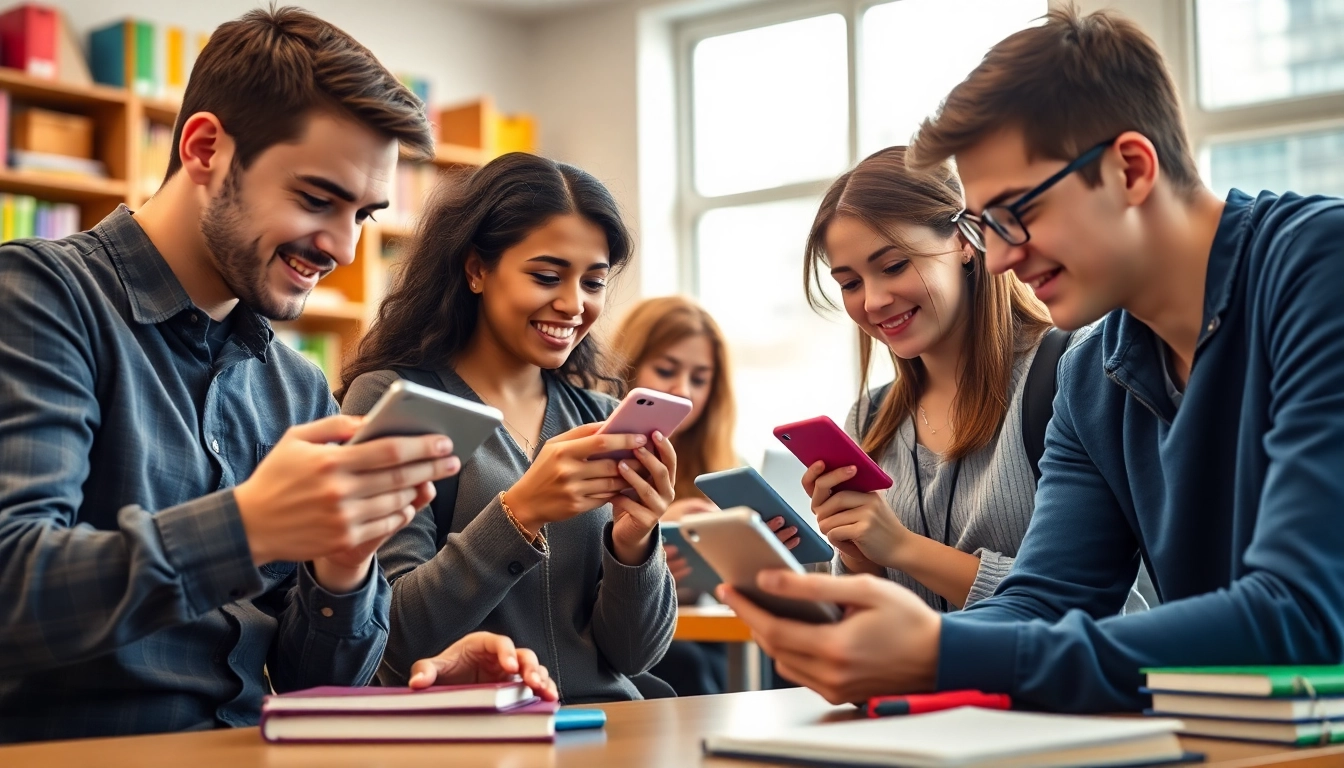
Understanding the Smartphone Solution in School Life
Definition and Importance
In today's technologically advanced world, a smartphone solution in school life has emerged as a transformative tool for education. This solution refers to the integration of mobile technology into educational settings, designed to enhance learning experiences and facilitate access to information. The importance of smartphones in education cannot be overstated, as they can bridge gaps in communication, provide immediate access to resources, and encourage interactive learning.
Benefits for Students and Educators
The growing presence of smartphones in classrooms offers several advantages for both students and educators. For students, the benefits include:
- Enhanced Accessibility: Students can access educational content anytime and anywhere, facilitating a more flexible learning environment.
- Interactive Learning Opportunities: Educational apps can cater to various learning styles, promoting engagement through interactive content.
- Collaboration: Smartphones enable easier collaboration among peers, allowing students to work together on projects seamlessly.
For educators, the smartphone solution can also bring notable advantages:
- Resourcefulness: Teachers can utilize various apps and resources to enhance their lesson plans, making classes more dynamic.
- Instant Feedback: Educators can assess student understanding in real-time through quizzes and interactive applications.
- Professional Development: Teachers can access online courses and resources to further their skills and knowledge.
Challenges and Considerations
Despite the numerous benefits, integrating smartphone solutions into school life also presents certain challenges. One major concern is the potential for distraction. The allure of social media, games, and non-educational content can detract students from their studies. Additionally, issues related to digital safety and screen time management must be addressed to ensure a healthy balance between technology use and traditional learning methods. Another concern is the disparity in access to technology among students, which can lead to unequal learning opportunities.
Implementing Smartphone Solutions in the Classroom
Choosing the Right Tools
When it comes to the successful implementation of smartphone solutions, selecting the right tools is crucial. Educators should evaluate various educational apps based on their functionality, user-friendliness, and alignment with curriculum goals. Tools should be chosen that promote critical thinking, creativity, and collaboration among students. Additionally, it's essential to involve students in the selection process to ensure that the tools resonate with their learning preferences.
Integrating with Existing Curriculum
To create a cohesive learning experience, smartphone solutions should be integrated with the existing curriculum seamlessly. Teachers can identify specific areas where mobile technology can enhance traditional teaching methods—such as using apps for interactive quizzes or utilizing online resources for research projects. This integration will help students make connections between their smartphone use and educational outcomes, ultimately leading to deeper learning.
Training Educators and Students
Successful integration of smartphone solutions relies heavily on the training of both educators and students. Professional development workshops for teachers can equip them with the necessary skills to effectively incorporate mobile technology into their teaching. On the student side, providing orientation sessions and ongoing support can help them navigate the tools confidently, ensuring that they harness the potential of smartphones for productive learning.
Best Practices for Effective Use
Maintaining Focus and Engagement
To maximize the efficacy of smartphone solutions in the classroom, maintaining students' focus and engagement is essential. Establishing clear guidelines on smartphone use during class can mitigate distractions. Educators can incorporate engaging activities that make good use of smartphones, such as gamified learning experiences or collaborative projects that require students to work together using technology. Regular check-ins can help assess students’ focus and provide opportunities for discussion.
Monitoring Usage and Productivity
Monitoring student smartphone usage can help educators understand how effectively these devices are being utilized for learning. Tools that track app usage or educational progress can provide insights into student productivity. Educators should analyze this data to adjust their teaching strategies accordingly. Encouraging self-monitoring among students can also promote responsible smartphone usage, fostering a culture of accountability and awareness.
Encouraging Positive Digital Citizenship
Teaching students about digital citizenship is integral as they navigate the online world using smartphones. Schools should incorporate lessons on internet safety, privacy, and respectful online communication. By emphasizing the responsibility that comes with smartphone use, educators can instill a sense of ethics in students, preparing them to be informed and responsible digital citizens in the broader online community.
Case Studies: Successful Implementations
Examples from Diverse Educational Settings
Case studies from various educational settings illustrate the successful implementation of smartphone solutions. For instance, in a urban high school, students utilized collaborative apps to work on group projects. This not only enhanced teamwork but also provided an avenue for diverse perspectives in problem-solving. Another example is a rural school using smartphones to access online learning resources, bridging gaps in educational materials that would otherwise be absent.
Impact on Learning Outcomes
Evaluating the impact of smartphone integration on learning outcomes is crucial for understanding its effectiveness. Research indicates that schools implementing smartphone solutions often report improved test scores, increased student engagement, and heightened motivation among learners. The interactive nature of educational apps appears to foster an environment conducive to deeper understanding and retention of knowledge.
Feedback from Students and Teachers
Feedback from both students and teachers provides valuable insights into the success of smartphone solutions. Students often express appreciation for the flexibility that smartphones offer, while teachers report an increase in classroom interaction and collaboration. Addressing any concerns or suggestions raised by both parties can lead to continuous improvement in how smartphone solutions are utilized in schools.
Future Trends in Smartphone Use in Education
Emerging Technologies and Apps
The landscape of smartphone use in education is ever-evolving, with emerging technologies promising to enhance learning experiences further. Trends such as augmented reality apps can create immersive learning environments, enabling students to visualize complex concepts in real-time. Moreover, artificial intelligence-driven apps can tailor educational content to meet individual student needs, offering personalized learning pathways that adapt as the student progresses.
Predictions for Classroom Dynamics
As smartphone solutions become more embedded in school life, classroom dynamics are anticipated to shift significantly. Traditional teaching methods may give way to more collaborative, student-centered approaches where educators act as facilitators rather than mere providers of information. This can promote critical thinking, creativity, and real-world problem-solving - skills that are increasingly vital in today’s economy.
Preparing for a Digitally Infused Future
To prepare for a future that is likely to be more digitally infused, educational institutions should prioritize ongoing training and resources for both teachers and students. Fostering a culture that embraces technology while remaining conscious of the associated challenges will be essential. As educational ecosystems evolve, strategic investments in technology and infrastructure will be critical to sustaining effective smartphone solutions in school life.
Frequently Asked Questions
What is a smartphone solution in school life?
A smartphone solution in school life refers to the integration of mobile technology, enabling enhanced learning through educational apps and resources.
How can smartphones benefit students?
Smartphones enhance accessibility to information, facilitate collaboration, and support various learning styles through interactive tools.
What challenges arise with smartphone use in schools?
Potential challenges include distractions, ensuring digital safety, and managing screen time effectively among students.
How can teachers effectively integrate smartphones?
Teachers can select appropriate apps, align smartphone activities with curriculum goals, and provide guidance on focused usage.
What are the future trends for smartphones in education?
Future trends include increased use of augmented reality, enhanced educational apps, and greater emphasis on digital citizenship for students.