Understanding Precious Metals and Their Value
Precious metals have long been regarded as a valuable asset in various cultures and economies. They are rare, naturally occurring metallic chemical elements that possess high economic value. These metals are utilized not only as investments but also in a multitude of industrial applications due to their unique properties. In this article, we will delve into the world of precious metals, exploring their characteristics, market trends, investment strategies, and more.
What Are Precious Metals?
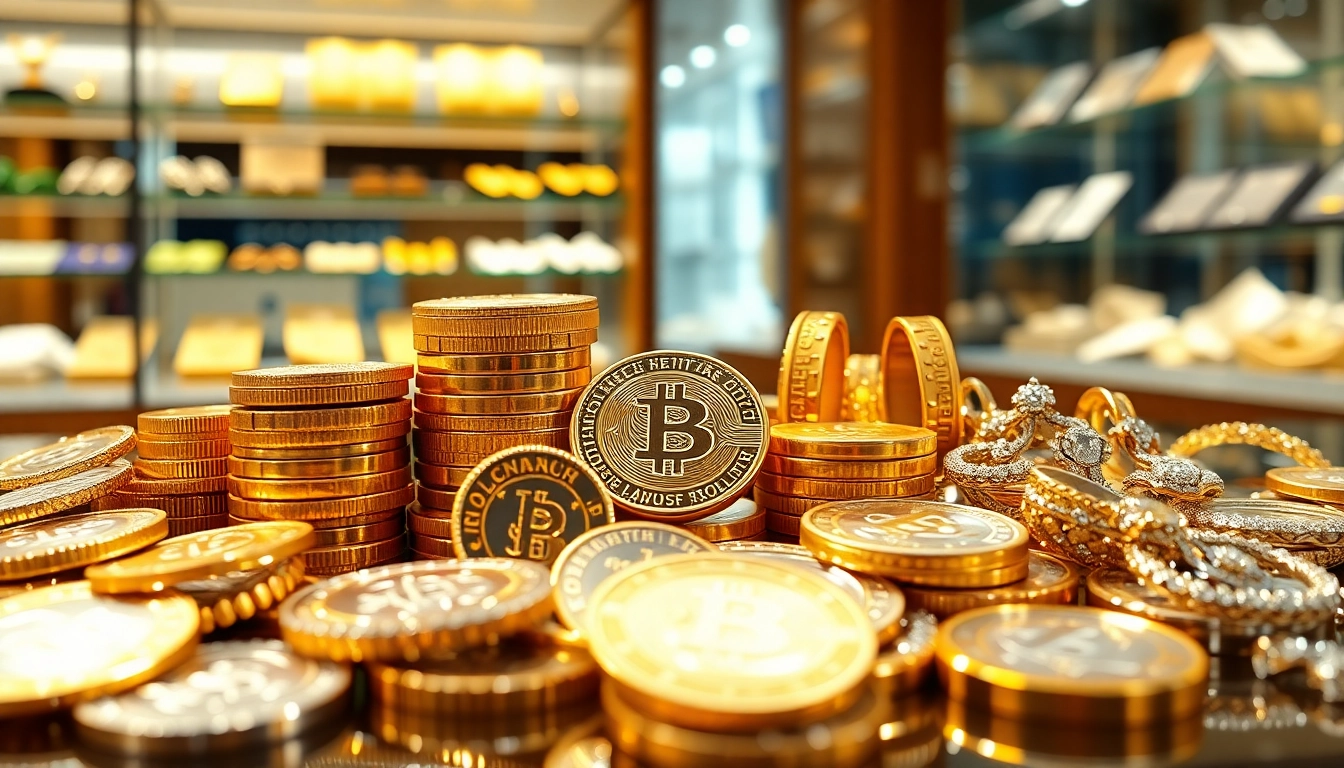
Precious metals refer to a group of metals that are considered rare and are highly valued for their economic worth. The main precious metals include gold, silver, platinum, and palladium. These metals are not only valuable in terms of money but also hold significant importance in various industries, including electronics, jewelry, and finance.
Economic Importance of Precious Metals
The economic significance of precious metals cannot be overstated. They serve as a hedge against inflation and currency devaluation, making them a popular choice among investors looking to preserve wealth. Many central banks hold vast reserves of these metals, further emphasizing their role in the global economy. Additionally, precious metals are often used as a foundation for the valuation of currencies, making them a cornerstone of international trade and finance.
Historical Significance of Precious Metals
Historically, precious metals have played a crucial role in shaping civilizations. Gold and silver have been used as currency for thousands of years, facilitating trade and economic development. These metals have also held cultural significance, often being associated with wealth, power, and success. The historical narrative surrounding precious metals is rich and varied, with each metal telling a unique story across different cultures and periods.
Types of Precious Metals and Their Characteristics
Gold: The Timeless Investment
Gold is perhaps the most renowned of all precious metals. Its allure stems from its rarity, malleability, and resistance to tarnishing. Gold has been utilized in jewelry, coins, and as a standard for monetary systems throughout history. Investors often turn to gold during economic uncertainty because it has consistently maintained its value over time.
Silver: The Versatile Metal
Silver, known for its conductivity and reflective properties, has numerous industrial applications, particularly in electronics and solar energy. It is also widely used in jewelry and as an investment. Unlike gold, silver is more abundant, which can lead to greater price volatility. However, its relatively low price compared to gold makes it an attractive option for new investors.
Platinum and Palladium: Industrial and Investment Uses
Platinum and palladium are vital metals in the automotive industry, primarily used in catalytic converters to reduce harmful emissions. Their rarity and unique properties make them highly sought after in both investment and industrial contexts. Investors may diversify their portfolios with these metals, particularly during times of rising demand in the automotive sector.
Market Trends Influencing Precious Metals
Current Market Prices and Spot Rates
Market prices for precious metals fluctuate based on supply and demand dynamics, geopolitical events, and economic conditions. Spot rates provide a reference for buying and selling these metals in real-time. Understanding current market prices is crucial for investors looking to make informed decisions about their investments in precious metals.
Influencers of Precious Metals Prices
The prices of precious metals are influenced by various factors, including currency strength, interest rates, inflation rates, and political stability. Global events, such as financial crises or conflicts, often lead to increased demand for precious metals as safe-haven assets. Additionally, technological advancements can drive demand in industrial applications, impacting prices accordingly.
Future Trends to Watch in Precious Metals
Looking ahead, the precious metals market is expected to continue evolving due to several factors, including the growing green energy movement, which could increase demand for metals like silver and palladium. Furthermore, the potential for economic instability may lead more investors to seek refuge in precious metals. Keeping an eye on global trends and technological developments will be key for potential investors.
How to Invest in Precious Metals Effectively
Physical vs. Digital Investment Options
Investors can choose between physical and digital investment options when it comes to precious metals. Physical investment includes acquiring bullion, coins, and jewelry, while digital options may involve ETFs or online trading platforms. Each method has its pros and cons, such as storage considerations and market liquidity. Understanding these differences is essential for making the right choice for your investment style.
Understanding Precious Metal Funds
Precious metal funds provide a convenient way to invest in a diversified portfolio of these metals without needing to purchase them physically. These funds can be structured as mutual funds, ETFs, or index funds that track the performance of precious metals. Investors should assess the fund's management, fees, and historical performance before making a decision.
Strategies for Safe Investing in Precious Metals
Implementing a solid investment strategy is crucial for successfully investing in precious metals. Diversification is key—consider holding a mix of gold, silver, platinum, and palladium to spread risk. Additionally, staying informed about market trends and setting clear investment goals can help in making strategic decisions. Regularly reviewing your portfolio and adjusting based on performance is also advisable.
Frequently Asked Questions About Precious Metals
What are the top 10 most expensive metals?
The most expensive metals include rhodium, platinum, gold, ruthenium, iridium, osmium, palladium, rhenium, where rhodium tops the list due to its rarity and demand in automotive industries.
How can I store precious metals safely?
Safe storage options for precious metals include bank safety deposit boxes, home safes, or specialized storage facilities. Each option has its costs and security considerations, so assess accordingly.
What are the tax implications of investing in precious metals?
Taxes on precious metals can vary by location and the type of investment. Typically, capital gains tax applies to profits made from selling precious metals. Consulting with a tax advisor is advisable.
Can precious metals be used as currency?
While not commonly used as currency today, precious metals have historically served as a medium of exchange. Some modern forms of currency are still backed by gold or silver reserves.
What factors affect the demand for precious metals?
Demand for precious metals is influenced by economic conditions, industrial applications, investment trends, and geopolitical events. Awareness of these factors can aid in investment decisions.