Understanding Precious Metals
Definition and Characteristics
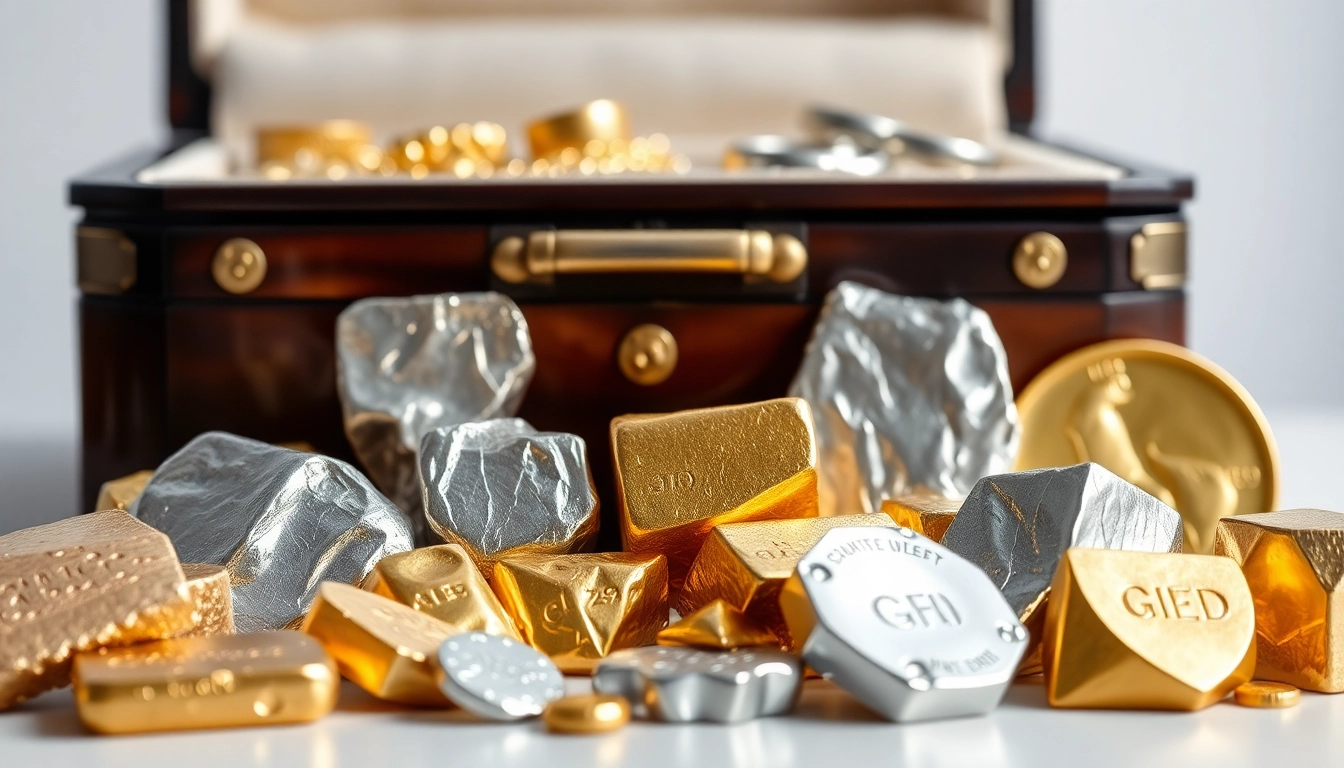
Precious metals are rare metallic elements with significant economic value, primarily used for investment, jewelry, and industrial applications. They possess desirable properties such as luster, ductility, and resistance to corrosion. Common precious metals include precious metals like gold, silver, platinum, and palladium. Their rarity and demand contribute to their economic significance, making them a popular choice for diversifying investment portfolios.
Historical Significance
Historically, precious metals have wielded immense power and value across civilizations. Gold has been a symbol of wealth and prestige since ancient Egypt, used in the creation of intricate jewelry and as currency. Silver paved the way for the introduction of coins, facilitating trade and commerce. Platinum gained recognition in the 18th century for its rarity and beauty, while palladium has emerged more recently as a crucial industrial metal. The historical trajectory underscores the enduring relevance of these metals in shaping economies and societies.
Types of Precious Metals
- Gold: Known for its enduring value and malleability, gold is often viewed as a safe-haven investment, particularly during economic downturns.
- Silver: More accessible than gold, silver is widely used in both jewelry and industrial applications, making it highly versatile.
- Platinum: Often used in automotive catalytic converters, platinum is also prized for its hypoallergenic properties in jewelry.
- Palladium: An essential component in catalytic converters, palladium's demand has surged due to increasing environmental regulations.
Market Trends for Precious Metals
Current Market Analysis
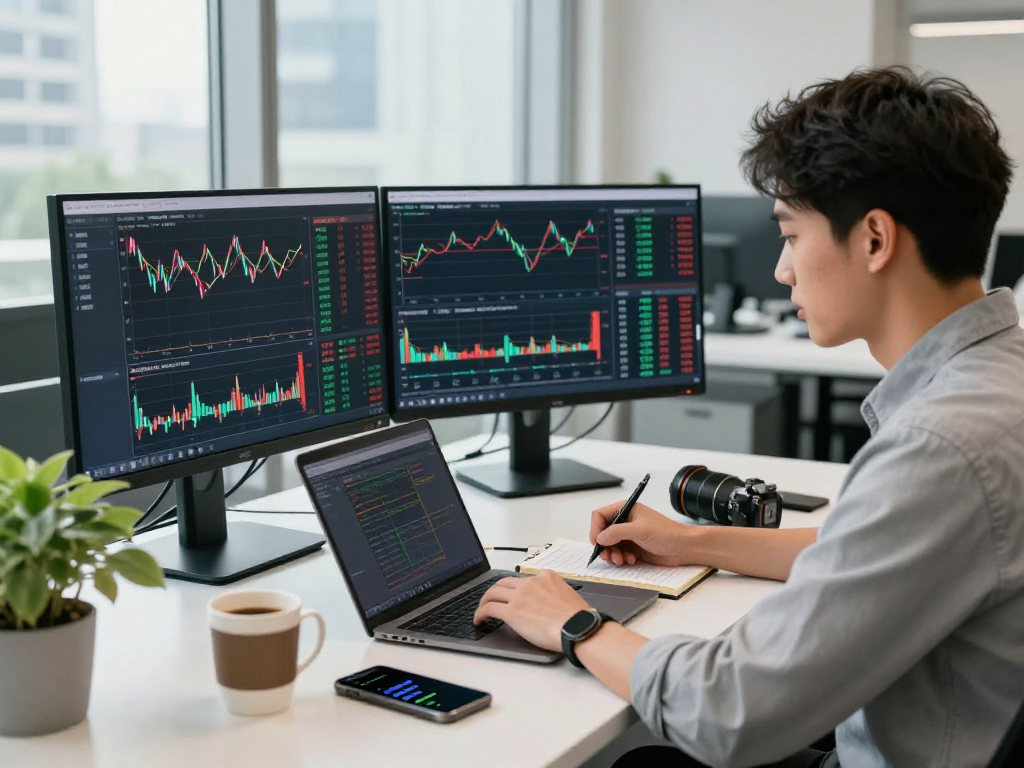
The precious metals market is influenced by various factors, including global economic conditions, inflation rates, and geopolitical tensions. Currently, gold and silver prices are closely monitored by investors, with fluctuations driven by changes in demand and supply dynamics. Understandably, during periods of uncertainty, markets see increased investment in these metals as a hedge against inflation and currency devaluation.
Factors Influencing Prices
Several factors influence the prices of precious metals. These include:
- Supply and Demand: Limited supply and high demand can drive prices up. For instance, mining output for gold is steadily declining, which can increase its value.
- Geopolitical Instability: Crises or conflicts can lead to increased demand for safe-haven assets like gold and silver.
- Currency Strength: A weaker U.S. dollar often correlates with higher gold and silver prices, as these metals are typically priced in dollars.
Investment Opportunities
Investing in precious metals can take various forms, each with its own risks and benefits. Physical assets, such as coins and bullion, provide tangible ownership, while exchange-traded funds (ETFs) allow for easy liquidity and diversification. As governments explore digital currencies, the precious metals sector may respond with innovative investment vehicles that cater to evolving consumer preferences.
Benefits of Investing in Precious Metals
Wealth Preservation
Precious metals have long been regarded as a means of wealth preservation. Unlike fiat currencies, which can be devalued, metals like gold and silver retain intrinsic value. During economic recessions, these metals often outshine traditional investments, making them crucial for safeguarding wealth over the long term.
Inflation Hedge
Historically, precious metals have acted as a hedge against inflation. When inflation rates rise, the purchasing power of cash diminishes, but precious metals typically increase in value, thus preserving wealth. This characteristic makes investing in precious metals particularly appealing during periods of economic uncertainty.
Diversification of Portfolio
Incorporating precious metals into an investment portfolio promotes diversification, which is key to minimizing risk. When traditional assets like stocks experience volatility, precious metals can provide a counterbalance, offering stability and potential returns that help mitigate overall portfolio risk.
How to Invest in Precious Metals
Buying Physical Precious Metals
Investing in physical precious metals involves purchasing coins, bars, and bullion. This route offers tangible assets but also requires careful consideration of storage and insurance options. Investors should research reputable dealers and be aware of the differing premium charges associated with various forms of precious metals.
Investing in ETFs and Stocks
Exchange-traded funds (ETFs) and stocks of mining companies provide accessible ways to invest in precious metals without the challenges of storing physical assets. ETFs track the price of metals like gold and silver, while mining stocks can provide leveraged exposure to metals markets. However, investors must understand the underlying risks, including market and operational risks associated with mining operations.
Storing and Securing Investments
Storage and security are critical for safeguarding physical precious metals. Options range from home safes to third-party vaulting services. Each has its benefits and drawbacks, and having adequate insurance for valuable assets is advisable to protect against theft or damage.
Future Outlook for Precious Metals
Predictions and Trends
The future of precious metals may be impacted by technological advancements, evolving market dynamics, and shifts in consumer demand. Increasing interest in sustainability may favor gold and silver mining practices that adhere to environmental standards, impacting the market positively. Furthermore, the intersection of technology and precious metals could lead to new investment forms, such as blockchain-backed assets.
Long-Term Investment Strategies
Long-term strategies for investing in precious metals should include regularly reviewing portfolio allocations and staying informed about macroeconomic trends. Investors should establish clear objectives, whether for wealth preservation or capital appreciation, and adjust their strategies in response to market developments.
FAQs and Common Misconceptions
What are precious metals?
Precious metals are rare, valuable metallic elements primarily known for their long-term investment potential, including gold, silver, platinum, and palladium.
Are precious metals a good investment?
Yes, precious metals can be a good investment for diversifying portfolios, preserving wealth, and protecting against inflation and market volatility.
How do I buy precious metals?
You can buy precious metals through online dealers, local coin shops, or by participating in auctions, choosing between physical assets and investment vehicles like ETFs.
What is the safest way to store precious metals?
Safest storage options include secure bank vaults or third-party vaulting services, along with comprehensive insurance policies for added protection.
Can you profit from investing in precious metals?
Yes, you can profit from precious metals through price appreciation and strategic buying or selling, but risks include market volatility and economic shifts.